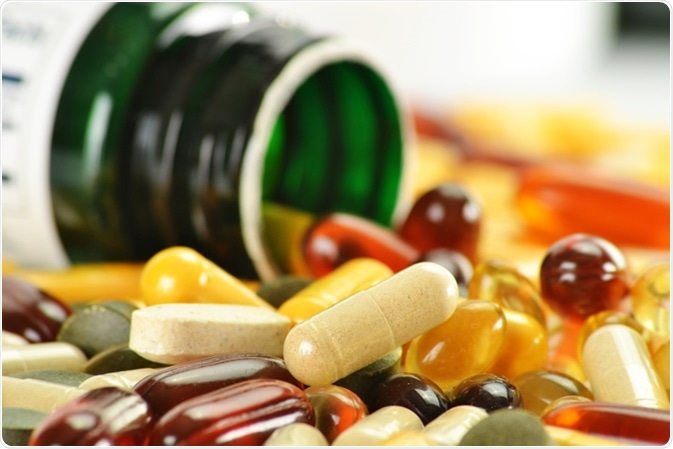
Washington: If being fit is your New Year’s resolution, then good nutrition and a balanced diet are extremely important for good health. However, there are many people who turn to dietary supplements for a boost to their routines.
 To help cut the confusion, the Office of Dietary Supplements (ODS) at the National Institutes of Health has two new resources to help people understand what is known about the effectiveness and safety of many ingredients in dietary supplements promoted for fitness and weight loss.
Dietary Supplements for Exercise and Athletic Performance, covers products — sometimes called ergogenic aids — that claim to improve strength or endurance, increase exercise efficiency, achieve a performance goal more quickly, and increase tolerance for more intense training.
“Dietary supplements marketed for exercise and athletic performance can’t take the place of a healthy diet, but some might have value for certain types of activity,” said Paul M. Coates, Ph.D., director of ODS. “Others don’t seem to work, and some might even be harmful.”
This fact sheet covers more than 20 ingredients found in fitness supplements, including antioxidants, beetroot, tart cherry, branched-chain amino acids, caffeine, creatine, and protein.
Creatine, for example, might help with short bursts of high-intensity activity like sprinting or weight lifting, but not for endurance efforts like distance running or swimming. However, antioxidants such as vitamins C and E don’t seem to improve any type of physical activity, though they’re needed in small amounts for overall health.
Dietary Supplements for Weight Loss guides readers through the confusing set of options in the marketplace.
“People may not know that many manufacturers of weight-loss supplements don’t conduct studies in humans to find out whether their product works and is safe,” said Anne L. Thurn, Ph.D., director of the ODS Communications Program.
This fact sheet covers 24 ingredients found in these products, including African mango, beta-glucans, chromium, garcinia, green tea, hoodia, and raspberry ketones.
Chromium, for example, might help you lose a very small amount of weight and body fat, and is safe, but raspberry ketones haven’t been studied enough to know whether they’re safe or effective. And while drinking green tea is safe, taking green-tea extract pills has been linked to liver damage in some people.
Both fact sheets are available in a health professional version that is detailed and fully referenced, as well as consumer versions in both English and Spanish. In fact, most ODS fact sheets on dietary supplement ingredients are available in these multiple formats.
The study was funded by National Institutes of Health Office of Dietary Supplements.
Leave a Reply