By Waris Nissar
Nikah — the sacred bond of marriage in Islam — was meant to be a source of love, tranquility, and moral security. It is described in the Qur’an as a blessing from Allah, and the Prophet Muhammad ﷺ emphasized it as a simple yet powerful act of worship. But in contemporary Kashmir, this Sunnah has become one of the hardest to fulfill. What was once a straightforward commitment rooted in faith has been distorted into a social ordeal, weighed down by materialism, extravagance, and rigid expectations.
This transformation has not only betrayed the spirit of Islam but also inflicted deep emotional, psychological, and spiritual harm, particularly on the youth. Instead of protecting society from immorality, today’s marriage culture in Kashmir often pushes young men and women into despair, frustration, and at times, sin.
Islam’s guidance on marriage is unambiguous. The Qur’an does not make wealth, beauty, or family status prerequisites for a successful union. It calls upon believers to value character, modesty, and faith: “And marry the unmarried among you… If they are poor, Allah will enrich them from His bounty.” (Surah An-Nur, 24:32). This verse dismantles the myth that financial status should dictate marriage decisions. Yet in Kashmiri households, proposals are routinely rejected unless the groom has a “settled” government job, land, or family property. A young woman’s worth is measured by skin tone, caste, or her father’s standing. The Qur’an’s criteria — taqwa (God-consciousness), humility, and good manners — are too often sidelined.
The consequences are devastating. Delayed marriages have created an “overage” culture, with young people carrying the stigma of being unmarried beyond socially approved timelines. Depression, anxiety, and hopelessness are on the rise. Families face internal strife, and many youth feel alienated from community life. Worse still, the difficulty of pursuing halal (permissible) relationships inadvertently opens doors to haram (forbidden) temptations. The Prophet ﷺ warned of this when he urged young people to marry if they were able, as it helps “lower the gaze and guard chastity” (Bukhari and Muslim). When Nikah is made difficult, sin becomes accessible.
Compounding the crisis is the curse of extravagant weddings. In Kashmir, marital unions are judged not by the strength of the bond but by the weight of the gold, the length of the guest list, and the scale of the wazwan. Families spend lakhs on elaborate ceremonies and dowries, often borrowing money they can ill afford, only to uphold an image of prestige. Yet Islam praises simplicity. “The most blessed marriage is the one with the least expenditure,” the Prophet ﷺ said (Bayhaqi). His own household set the example — his daughters were married with modest dowries and without cultural pomp. By ignoring this, Kashmiris are not just indulging in waste; they are stripping marriages of the very barakah (blessing) they seek.
If this tide is to turn, society must realign its priorities. Elders, scholars, and khateebs must remind people that Nikah is a divine command, not a cultural competition. Journalists and community leaders should amplify this message. Mosques must become facilitators of simple marriages, offering platforms for families to connect without the burden of extravagance. Parents must teach their children to ask different questions: Does he pray? Is she kind? Will they support each other in faith? Instead of: Does he own a house? What is her caste? How much gold?
The youth too must resist peer pressure and understand that seeking Allah’s pleasure outweighs gaining society’s approval. By valuing sincerity and faith over wealth and status, they can lead the cultural reform Kashmir so desperately needs.
Nikah was never meant to be a transaction. It is a gift from Allah, designed to foster love, mercy, and stability. Reviving its prophetic spirit could bring relief to families, hope to the youth, and moral strength to society. Kashmir, with its proud Islamic heritage, must lead this change.
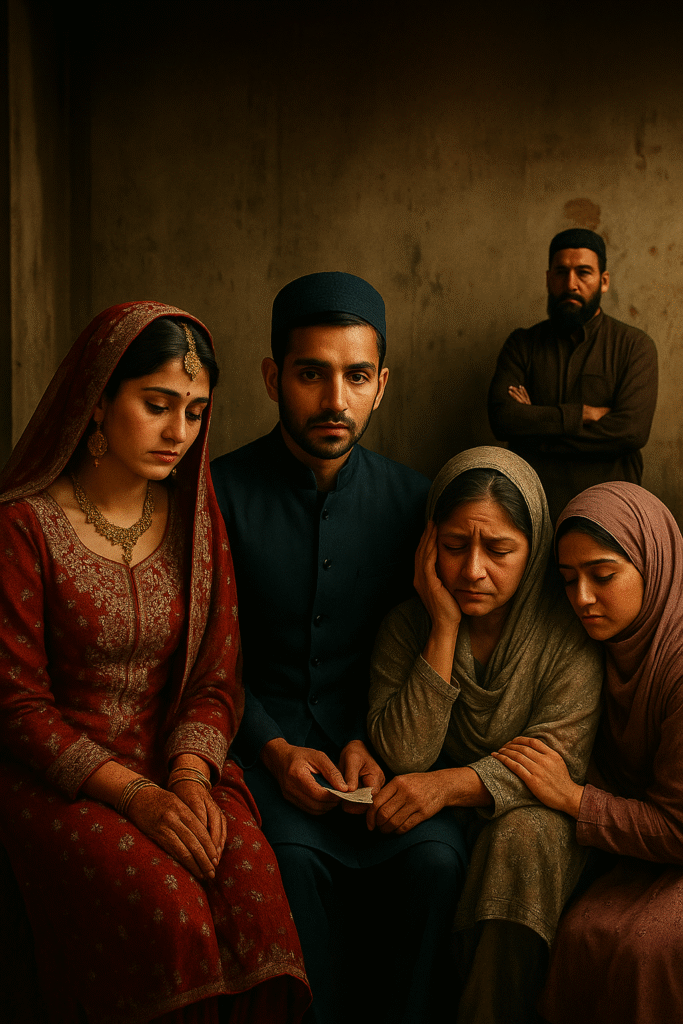
But the shift will not begin with abstract calls for “societal reform.” Society is nothing more than a collection of individuals and families. Change begins in living rooms, at dining tables, and in quiet conversations between parents and children. It begins when a family accepts a proposal based on character rather than pay scale, or when a bride’s parents say no to dowry demands.
If Kashmiris continue to use “society” as an excuse, they risk elevating social norms above divine commands. Allah has made Nikah a blessing. To turn it into a burden is not just cultural folly; it is a spiritual failure. The choice now lies with us: will we uphold the Sunnah as it was meant to be, or allow materialism to choke one of Islam’s most cherished institutions?
The views expressed in this article are solely those of the author and do not necessarily reflect the opinions or views of this newspaper. The author can be reached at [email protected]