By Mool Raj
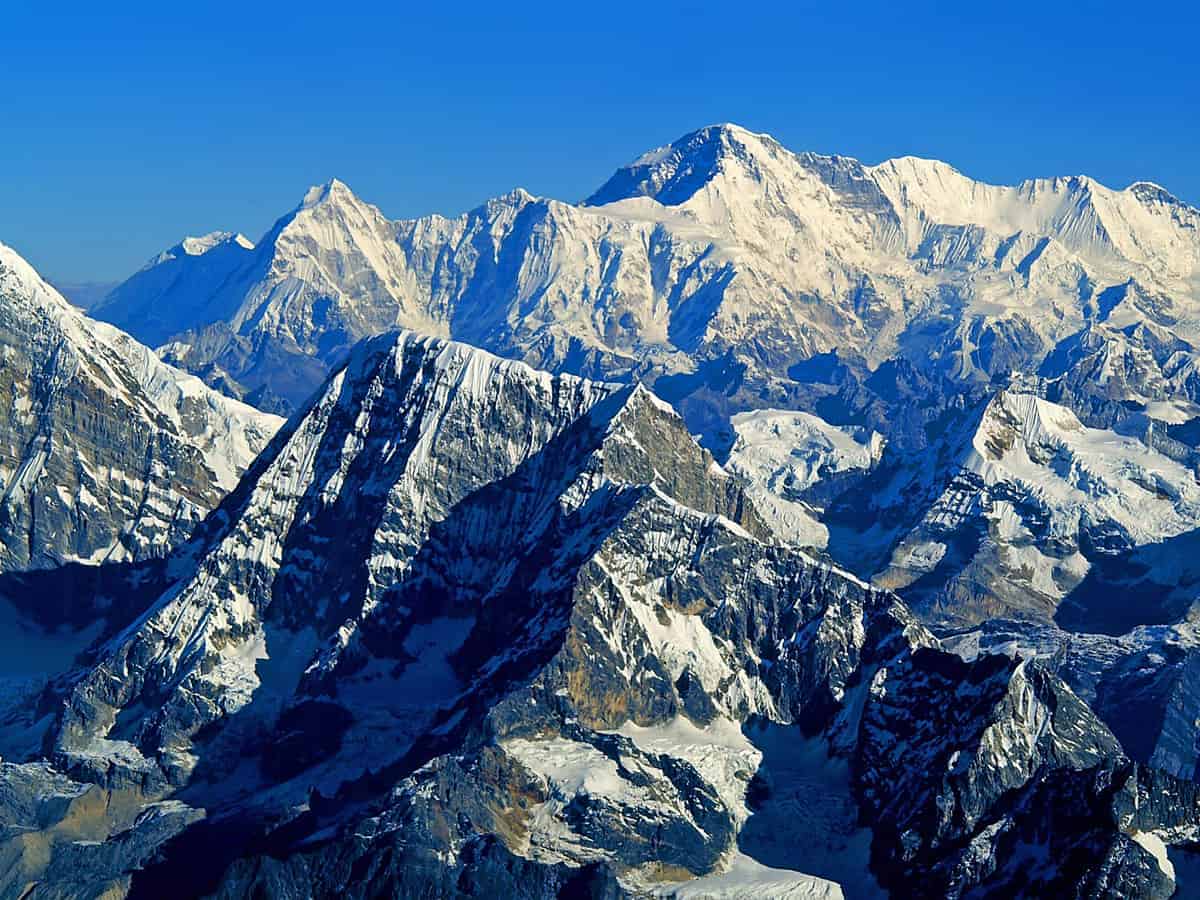
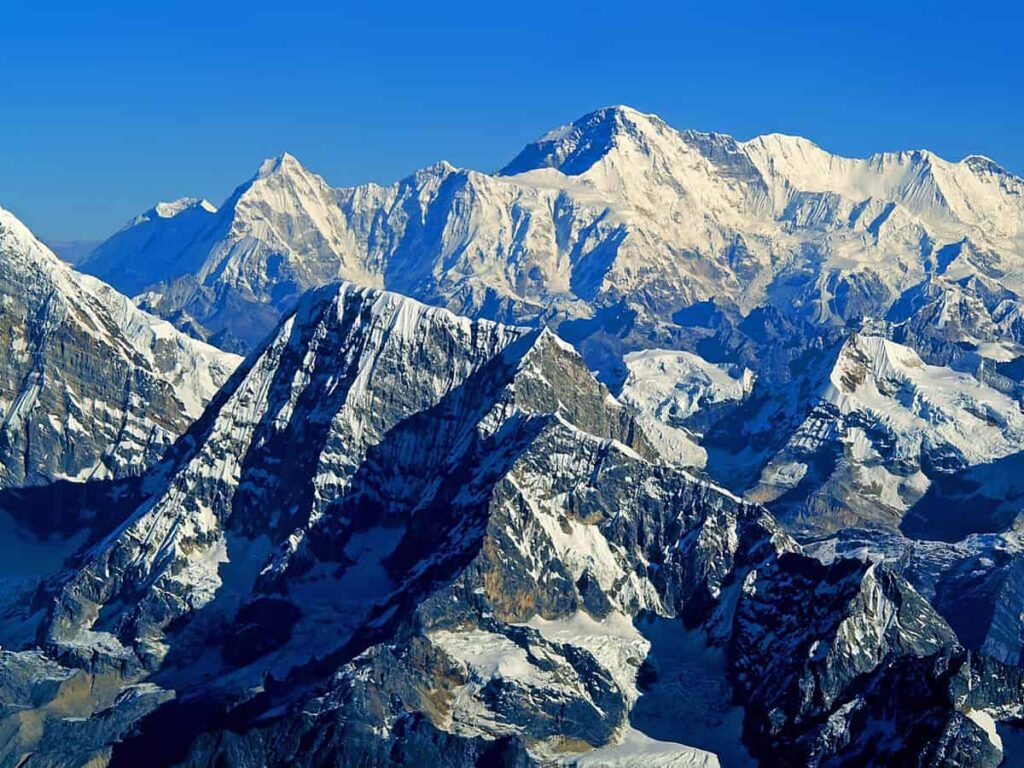
The Himalayan states of India—Jammu & Kashmir, Himachal Pradesh, Uttarakhand, Sikkim, and the northeastern hill regions—are standing on the frontline of climate change. Long celebrated as the “water towers of Asia,” these mountains feed the mighty Ganga, Brahmaputra, and Indus river systems, sustaining nearly two billion people across South Asia. Yet, this lifeline is under siege. Glaciers are shrinking, rainfall has grown erratic, and extreme weather events are striking with alarming frequency. The question now reverberating through the valleys is simple but urgent: are we prepared to confront the crisis unfolding in real time?
The warning signs are hard to ignore. Glacial retreat across the Himalayas has accelerated in recent decades, with studies suggesting that nearly one-third of the region’s ice could vanish by 2100 even if global warming is contained to 1.5°C. For a region dependent on snowmelt-fed rivers, this spells looming water insecurity. The evidence is visible in the swollen rivers during sudden cloudbursts, in the cracked earth where streams once flowed, and in villages forced to relocate as slopes collapse beneath them.
The disasters are neither new nor rare. The 2013 Kedarnath floods in Uttarakhand killed more than 5,000 people and displaced tens of thousands, a catastrophe worsened by unregulated construction in fragile zones. More recently, Himachal Pradesh witnessed unprecedented floods in July 2023 that claimed over 400 lives and caused damage estimated at ₹10,000 crore. In Sikkim, a glacial lake outburst flood in October 2023 swept away dams, bridges, and roads, leaving communities stranded for weeks. Each event reinforces what scientists have long warned: climate change magnifies the risks in mountain regions where development choices often compound natural hazards.
For Himalayan communities, climate change is not a distant scientific debate but a lived crisis. Farmers report shrinking crop cycles and lower yields as weather patterns grow unreliable. Apple growers in Himachal, once thriving at lower altitudes, are now forced to shift orchards to higher elevations to find the right chill conditions. Tourism, a lifeline for states like Uttarakhand and Jammu & Kashmir, suffers when floods wash away roads and landslides cut off hill stations. And beyond livelihoods, entire cultural identities—rooted in harmony with nature—are under strain as unsustainable urbanisation creeps deeper into the mountains.
The larger tragedy, however, lies in governance paralysis. Nearly every Himalayan state has a climate action plan on paper, but most lack the resources, coordination, and political urgency to deliver meaningful change. Disaster management remains reactive, with relief camps and compensation packages announced only after devastation strikes. Environmental clearances for highways, tunnels, and hydropower projects continue to be fast-tracked despite repeated warnings from experts that such construction destabilises fragile slopes. Hill towns, once modest and ecologically balanced, are morphing into concrete sprawls with little regard for carrying capacity.
The way forward demands a fundamental shift in priorities. Early warning systems, using satellite monitoring, AI-based prediction models, and community radio networks, must be expanded so that people are not caught off guard. Development must embrace ecological sensitivity—roads, dams, and hotels cannot be built solely on profit motives. Afforestation, wetland restoration, and watershed management need renewed focus to rebuild natural resilience. At the same time, climate-resilient livelihoods—organic farming, eco-tourism, handicrafts, and small-scale renewable energy projects—must be promoted to reduce dependence on vulnerable sectors.
Equally critical is the empowerment of local communities. Himalayan residents are not passive victims but potential leaders in resilience. When given training, resources, and platforms, local networks can monitor weather, mobilise disaster responses, and revive traditional knowledge systems that once kept life in balance with the environment. In Ladakh, for example, artificial glaciers or “ice stupas” built by villagers are helping store winter meltwater for use in dry months. Such innovations show that adaptation is possible if communities are trusted partners rather than afterthoughts.
Ultimately, climate change in the Himalayas is not a seasonal story of floods and landslides—it is an unfolding transformation with consequences for the entire subcontinent. The plains of North India, dependent on rivers that rise in the mountains, cannot remain insulated from the fate of the glaciers. The monsoon itself is influenced by Himalayan ecosystems. Protecting the mountains is not an act of charity for distant hill people—it is about national survival.
The Himalayas are crying for attention. They are not just picturesque backdrops for tourism brochures but living, fragile ecosystems that hold the key to water, food, and climate security for millions. The cost of inaction will not be confined to remote valleys; it will cascade across India and beyond. The question remains—are we listening, or will the echoes of these mountains fade into another ignored warning?
The views expressed in this article are solely those of the author and do not necessarily reflect the opinions or views of this newspaper