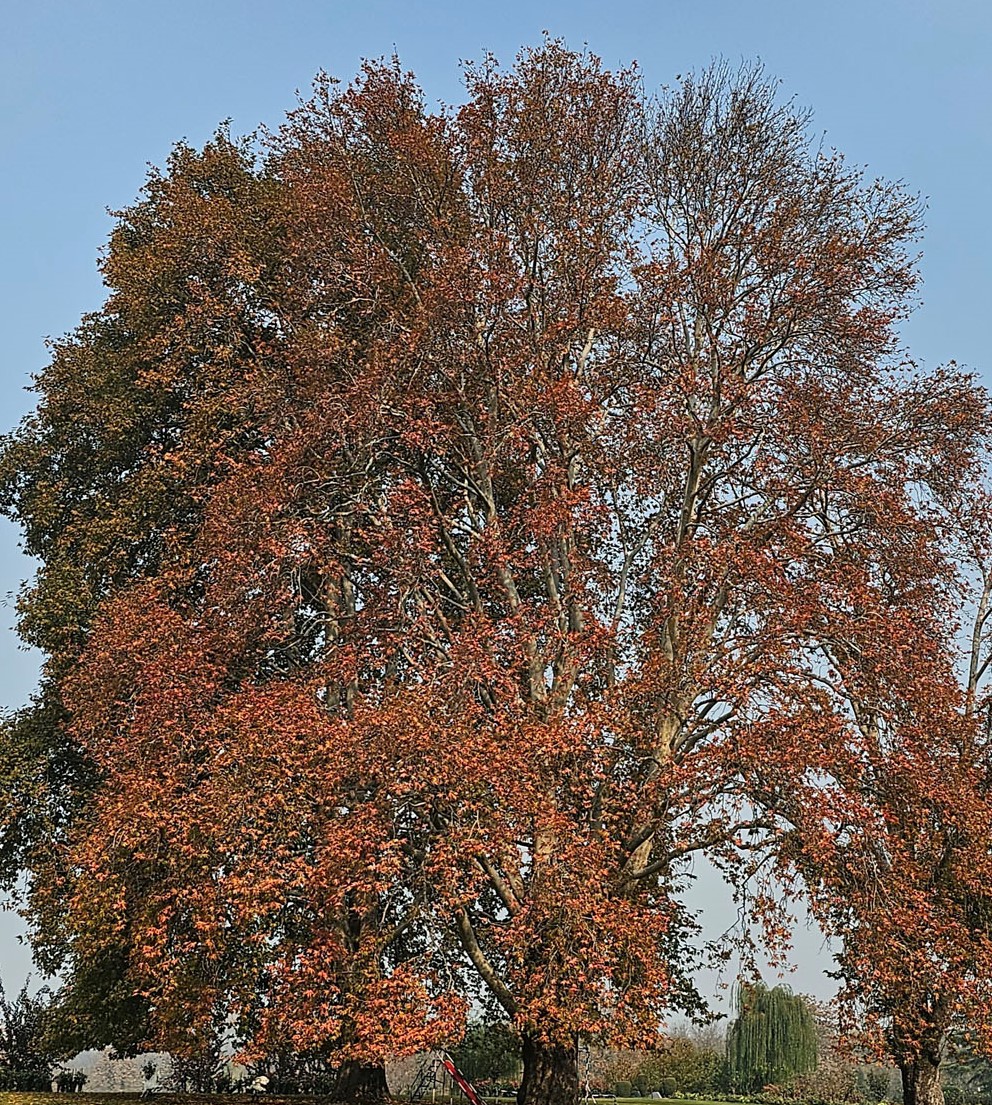
Autumn in Kashmir is not merely a season—it’s a poem written in color, scent, and nostalgia.
By Rayees Ahmad Kumar
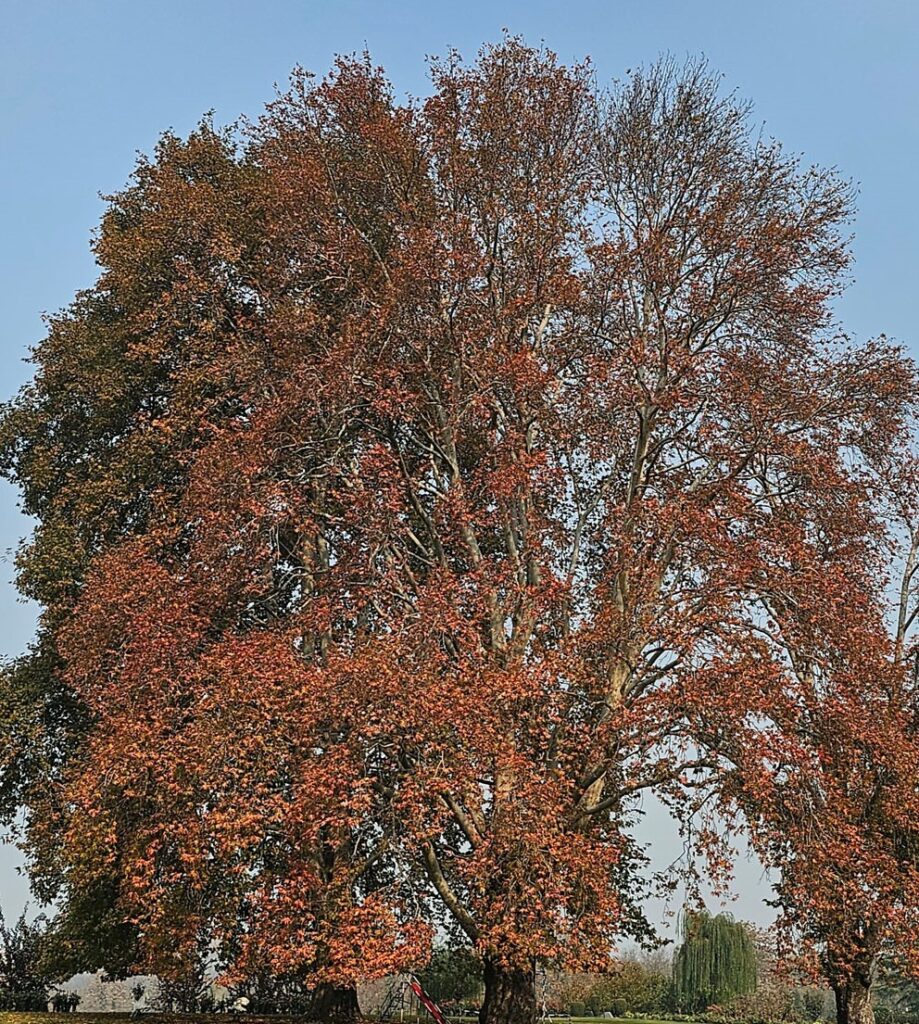
Autumn, the cherished “Season of mists and mellow fruitfulness” described by John Keats, sweeps through the Kashmir Valley as a period marked by extraordinary transformation and vibrant spectacle. Locally known as “Harud,” autumn breathes new life into the landscape: lush green leaves turn vivid shades of yellow, orange, and crimson, and the air grows brisk while evenings darken sooner. Tourists and locals alike are drawn to the valley’s Mughal gardens, hill stations, and rejuvenating resorts, as autumn’s spectacular color palette blankets the famous Chinar avenues and mountain slopes.
While spring in Kashmir often receives lavish praise for its promise of rebirth and hope, autumn stands as a season equally rich in both glory and wonder. As the harvest begins, paddy fields fill with hardworking farmers reaping rice and other crops, their efforts over many months now rewarded. Orchardists meticulously pick apples and assorted fruits, packing them for sale far beyond the valley’s borders, injecting much-needed prosperity into their households and into the local economy. Walnuts, the valley’s prized dry fruit, make their appearance in this season; villagers begin thrashing walnuts in late August and September, peeling away the fleshy green husk and spreading the kernels under the mild September sun. Kashmiri walnuts command global attention, exported to every continent and earning international acclaim for both quality and distinctive flavor.
Yet autumn in Kashmir is far more than a harvest—it is a celebration of memories, a time of collective anticipation and joy. Recalling childhood days, one thinks of dawn prayers followed by brisk treasure hunts for walnuts scattered in orchard grass. The thrill of exchanging a bagful at the village shop was pure delight, a source of happiness lasting many weeks. Such rituals, once central to rural life, are slipping away in today’s digital age, as children often replace outdoor adventure with screen time and mobile gaming.
Autumn also coincides with academic preparation. Traditionally, annual exams are held in October or November, and as the sun rose slowly over the mountains, many students would study outside, the crisp yet gentle climate providing perfect comfort for concentration. Kerosene lamps flickered late into the night, assisting students in their efforts when electricity failed. A new fountain pen from a well-known shopkeeper signaled not just the start of exams, but the promise of advancement and achievement. After exams, cricket matches along the riverbanks filled days with fun and friendship, while waiting for results became a period of relaxation, visiting relatives, or simply enjoying the valley’s serenity before the next academic year.
Winter preparations commence during autumn’s weeks. Women gather dry twigs and branches from the orchard to burn and produce charcoal, storing essential supplies and buying woolen clothing for their families to brace for the coming chill. In earlier decades, villagers replaced the old thatch of roofs to ensure warmth as the mercury dropped. The paddy fields, dotted with conical stacks, became playground castles for games of hide and seek seldom seen today. Hand-made kites soared through the blue sky, symbolizing youthful ingenuity and the simple joys of community life.
Autumn was also a time of sporting excitement. Adults flocked around transistor radios listening to cricket commentary, as many major international tournaments found their place in the valley’s calendar. Meanwhile, rural streams, once full and gushing, ebbed quietly to their lowest, their gentle murmurs invoking peace and stillness.
Children would trap cicadas in empty matchboxes, savoring the creatures’ distinctive music—the sweet, resonant hum of cicadas acting as an overture to autumn’s arrival. Occasionally admonished by parents for these harmless pranks, the playful spirit of these traditions are treasures of the valley’s collective memory. Fields in Pampore glow purple with the bloom of saffron crocus, as farmers hurry to harvest the world’s most precious spice—a symbol of affluence and heritage.
Nomadic Gujjars and Bakarwals, who ascend the valley in early summer, prepare for their journey back across the Pir Panjal as autumn deepens, herding cattle along familiar trails. The spectacle of Chinar trees ablaze in amber inspired the poet Dr. Muhammad Iqbal to compose memorable verses honoring the valley’s indomitable spirit.
Despite all the advancements and luxuries available today, the ancient joys of autumn—the peace, the contentment, and the sense of fulfillment—remain difficult to replicate or purchase, regardless of wealth. The younger generation, absorbed in digital devices and virtual entertainment, often loses touch with these natural delights and the physical vitality they once fostered.
Experiencing autumn in Kashmir means living in the midst of color, tradition, and vitality—providing an opportunity for families and children to rediscover authentic happiness and lasting pleasure in nature’s embrace. Prioritizing outdoor adventure and genuine community connection over artificial distractions ensures that the glory of Harud continues to enrich lives for generations to come.
The views expressed in this article are solely those of the author and do not necessarily reflect the opinions or views of this newspaper
Leave a Reply