At just 12, Bhat Sehran emerges as one of Kashmir’s youngest chroniclers, capturing the natural beauty and cultural depth of Ganderbal in his latest work.
By Rayees Ahmad Kumar
Ganderbal, often described as the serene heart of Kashmir, has long been celebrated for its pleasant climate and breathtaking landscapes. From the rolling meadows of Mohandmarg to the alpine purity of Gangabal and the famed golden vistas of Sonamarg, the district draws thousands of visitors every year. The opening of the Gagangeer Tunnel last year has only amplified this allure. For the first time, Ganderbal now remains reliably accessible even in peak winter—an infrastructural leap that has transformed its tourism potential and reconnected communities that were once isolated by heavy snowfall.
Yet Ganderbal is far more than a tapestry of natural wonders. Beneath its scenic charm lies a rich cultural heritage and a profound historical and political legacy. Over generations, the district has produced an array of influential social workers, political stalwarts, and religious scholars whose contributions continue to shape public life. Preserving this legacy—and ensuring the younger generation understands the depth of its roots—remains an urgent cultural responsibility.
It is in this context that a remarkable young voice has emerged: twelve-year-old author Bhat Sehran, whose literary accomplishments have already astonished scholars and readers alike. Despite his age, Sehran has penned dozens of books touching on themes as vast as history, culture, social decay, and ethical decline. His writings reveal a deep attachment to literature and faith, and his thoughtful reflections on society have earned him widespread acclaim. With honours such as the National Literature Award and Uttam Bharat Puraskaar to his credit, he stands out as one of the youngest and most promising literary talents from Kashmir today.
Sehran’s latest work, “My Ganderbal”, marks another significant milestone in his growing body of literature. More than a book, it is a heartfelt tribute to his homeland—a young writer’s attempt to document the district’s cultural identity, historical evolution, scenic expanse, and the towering figures who shaped its collective consciousness. Though the book is concise, it is rich in detail, shaped by sincere research and a genuine desire to preserve the essence of Ganderbal for generations to come.
The author does not rely on hearsay or romanticised folklore. Instead, he sources information from official records, authentic websites, digital archives, and locally preserved histories. This thoughtful approach strengthens the credibility of his work and offers readers a reliable introduction to Ganderbal’s past and present.
“My Ganderbal” is not positioned as an exhaustive encyclopedia—nor does it attempt to be. Instead, it provides an introductory yet meaningful window into a district whose cultural layers are as diverse as its landscapes. In doing so, the book succeeds in sparking curiosity among young readers and offers a foundation upon which future editions can build. Sehran himself hints at this possibility, noting that subsequent volumes will expand on the region’s eminent personalities, archaeological spots, spiritual traditions, heritage sites, and lesser-known histories.
For students—whether in schools, colleges, or madrassas—the book serves as an invaluable resource. At a time when globalised content often distances young people from their own cultural identities, “My Ganderbal” acts as a bridge back to their roots. It encourages them to appreciate the land they belong to, to understand the sacrifices and achievements of those who shaped it, and to build a sense of place-based pride that is essential for community continuity.
Educational institutions across Jammu and Kashmir would do well to include this work in their libraries. Not only does it celebrate local heritage, but it also stands as an inspiring example of youthful achievement—proof that dedication to knowledge can blossom at any age.
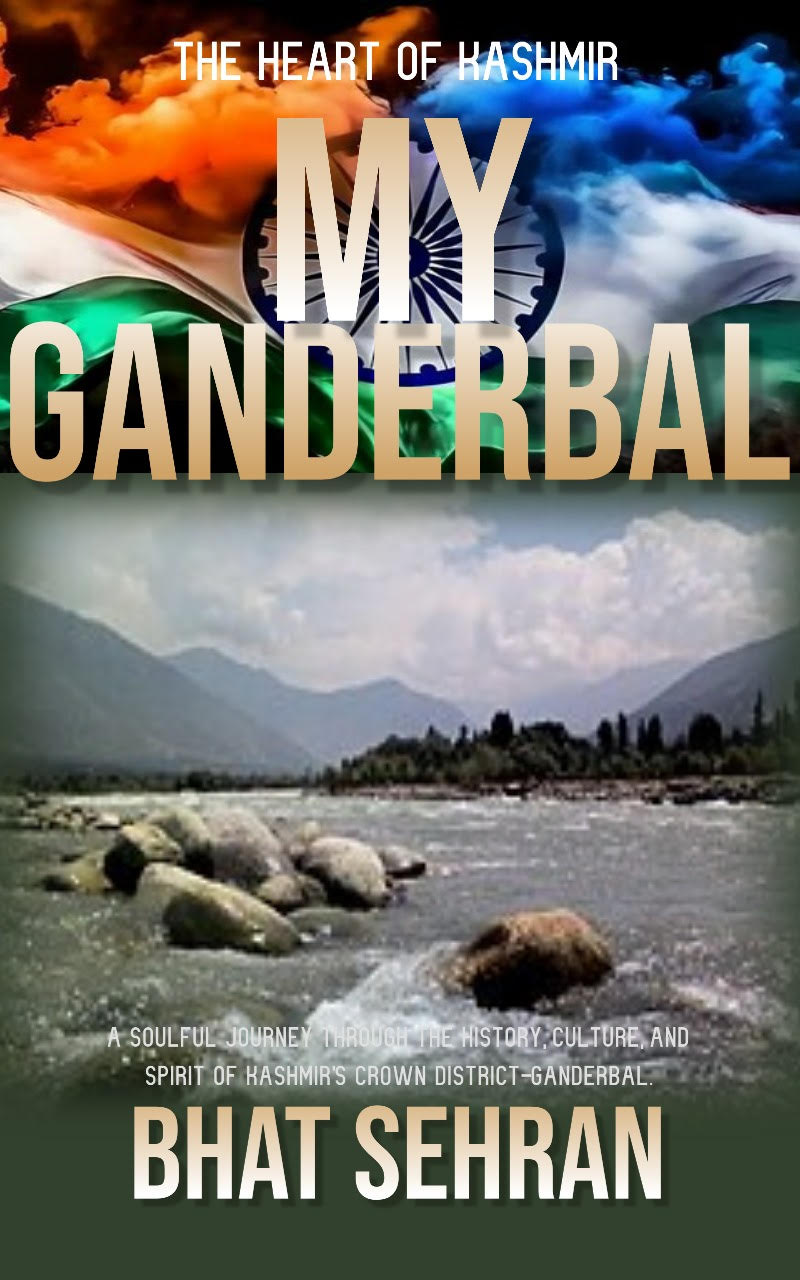
The book also carries a subtle message about the importance of documenting local histories. Many regions across Kashmir possess rich stories that risk fading away if not recorded with care. In contributing his voice so early in life, Sehran sets a precedent for young writers to take ownership of their cultural narratives.
“My Ganderbal” is more than a literary effort—it is a gesture of love for a homeland. It represents the passion of a young writer who sees value in the places, people, and stories that define his identity. For teachers, students, researchers, and literature enthusiasts, it offers not just information but inspiration.
I wholeheartedly recommend this book to anyone seeking a deeper understanding of Ganderbal and the spirit of Kashmir. It is a journey through memory, heritage, and youthful aspiration—one that will leave readers both enlightened and moved.
The views expressed in this article are solely those of the author and do not necessarily reflect the opinions or views of this newspaper
Leave a Reply