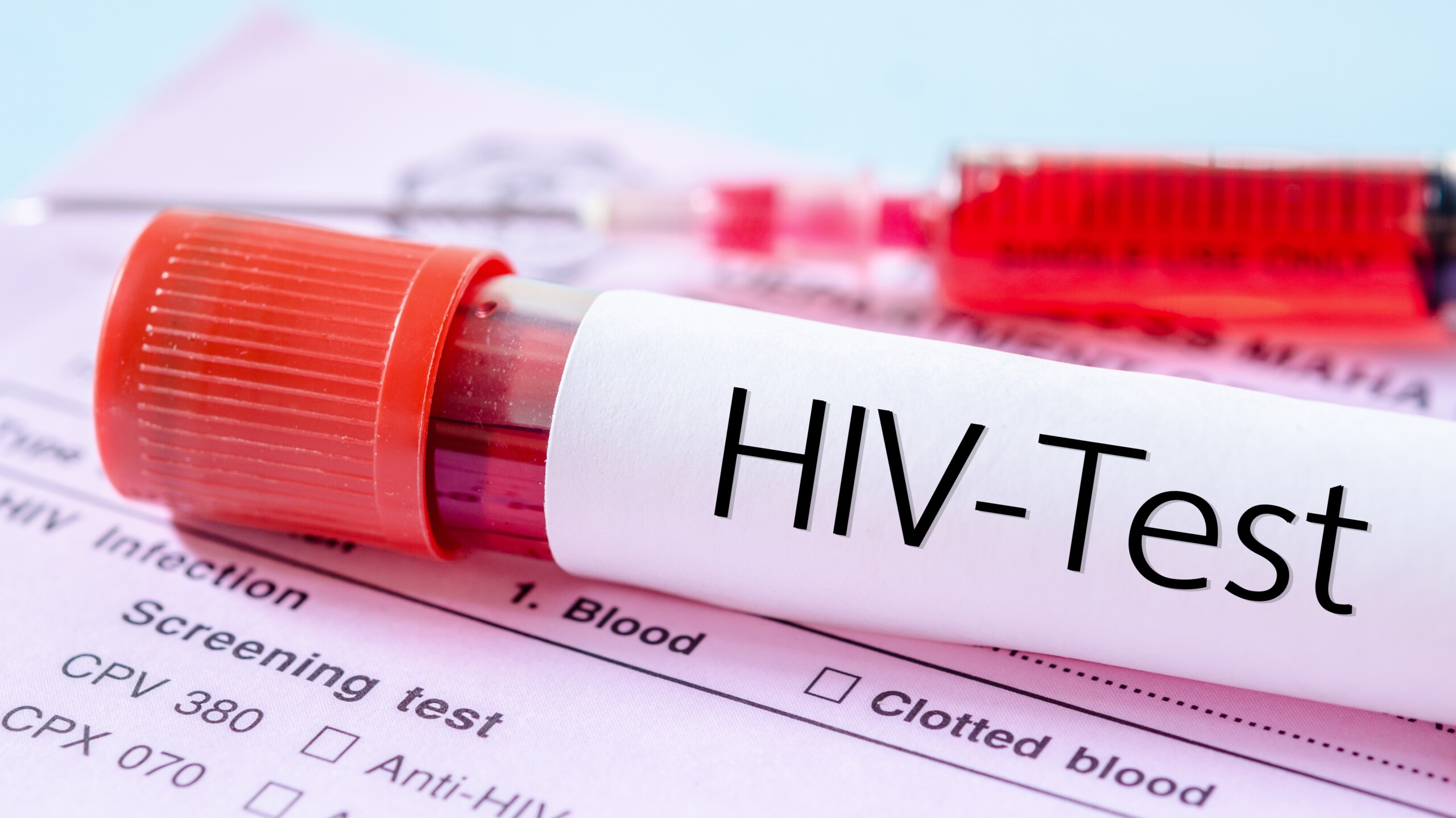
J&K’s HIV Cases Hit New Highs
The steady rise in HIV cases across Jammu and Kashmir is becoming an increasingly serious public health concern, with updated data indicating a persistent upward trajectory over the past several years. According to new figures accessed through a Right to Information (RTI) application, 117 HIV-positive individuals were registered for care between April and June 2025 alone, underscoring the continuing spread of the virus in the Union Territory.
As per details obtained by RTI activist MM Shuja and shared with the Kashmir News Observer (KNO), the 117 new registrations include 80 males, 34 females, and three minors. These numbers reflect only those who reported for care at designated health centres — a fact that experts say suggests the actual burden could be even higher due to underreporting and social stigma.
The RTI data presents a year-wise picture that reveals fluctuating but steadily high case loads. In 2019–20, Jammu and Kashmir recorded 361 new HIV cases along with 17 deaths. The number decreased to 206 in 2020–21, partly attributed to pandemic-related disruption in testing services, while 12 patients died that year. In 2021–22, the cases rose again to 272, with 19 deaths. The trend intensified in 2022–23 with 374 cases and 21 deaths, followed by 338 cases and 14 deaths in 2023–24. For 2024–25, the Union Territory registered 403 new infections and 16 deaths — the highest number of annual cases in six years.
Officials familiar with the data say the April–June 2025 figure is consistent with the pattern seen over the past three years, where quarterly registrations have ranged between 80 and 130. With the July–September numbers yet to be officially released, health administrators expect a similar curve.
Doctors Warn of Gaps in Awareness, Prevention and Testing
Health professionals across Jammu and Kashmir are increasingly vocal about the systemic gaps contributing to the continued rise in HIV cases, despite better treatment protocols and relatively widespread testing facilities.
Dr Showkat Ahmad, senior physician at Government Medical College (GMC) Srinagar, emphasises that behavioural and educational deficits remain central factors. “HIV is preventable if people remain aware and follow basic precautions. Unprotected sexual contact, use of unsterilized syringes, and transfusion of unscreened blood are major routes of transmission. People must be cautious and responsible,” he said.
He noted that while Antiretroviral Therapy (ART) has significantly improved the life expectancy and well-being of people living with HIV, reducing new infections should still be the primary goal. “Early diagnosis through regular testing can help control the spread and enable timely treatment,” he added.
Public health observers say that although ART is available free of cost through treatment centres in both Kashmir and Jammu divisions, many individuals hesitate to seek help due to social stigma and misconceptions about the virus. This delay often results in late-stage diagnosis, contributing to preventable complications and further transmission.
Doctors also stress the need for basic preventive safeguards: use of disposable syringes in clinical and non-clinical settings, ensuring blood safety at hospitals and private clinics, and widespread promotion of safe sexual practices. They argue that prevention campaigns must evolve to match current behaviours, especially among younger populations increasingly exposed to unverified information online.
Grassroots Awareness Still Lacking
Health educators insist that despite decades of campaigns, grassroots-level awareness remains patchy — particularly among teenagers, college-going youth, migrant labour communities, and high-risk groups such as injectable drug users.
Dr Mariya Jan, a health educator who has been part of HIV outreach programmes in south Kashmir, said existing communication efforts fall short of addressing real-world concerns. “Awareness at the grassroots level, particularly among youth, is vital. Schools, colleges, and community organisations should participate in educational campaigns so that people understand how the virus spreads and how to stay safe,” she said.
She added that many young people in rural and semi-urban areas still rely on hearsay and stigma-driven narratives rather than verified medical information. Teachers, community leaders, and religious institutions, she said, must be brought into the fold to promote accurate, stigma-free messaging.
Health Authorities Urge Testing and Counselling
The Health Department has reiterated its appeal to the public to make use of free HIV testing and counselling services available at government hospitals and Integrated Counselling and Testing Centres (ICTCs) across the Union Territory. At present, Jammu and Kashmir has multiple ART centres and dozens of testing facilities functioning under the National AIDS Control Organisation (NACO).
Officials say that increasing early detection rates is the only way to break the chain of undiagnosed carriers. Many ICTCs have recorded a rise in walk-ins over the past year, but experts believe the numbers are still far below what is necessary for meaningful control of the disease.
Several districts, including Srinagar, Jammu, Udhampur, Kathua, Anantnag and Baramulla, continue to report the highest number of new infections annually. With migration and frequent movement of labourers between regions, health authorities say cross-district monitoring needs further strengthening.
A Call for Compassion, Not Stigma
Doctors, counsellors and activists all agree that ending the HIV epidemic requires not just medical intervention but empathy and social inclusion. They warn that stigma — both within families and communities — remains one of the biggest barriers preventing people from seeking help.
“There should be no stigma attached to people living with HIV,” a senior counsellor at an ICTC in Srinagar said. “Social discrimination often prevents individuals from seeking timely medical help, and that is where interventions must be more sensitive and supportive.”
As Jammu and Kashmir continues to witness a steady rise in cases, health experts reiterate that the way forward lies in regular testing, safer behaviour, and a compassionate social approach. The numbers, they say, are not just statistics — they are a reminder of the urgent need for awareness, responsibility, and collective action. (with inputs from KNO)
The views expressed in this article are solely those of the author and do not necessarily reflect the opinions or views of this newspaper
Leave a Reply