Often symptomless until advanced, pancreatic cancer is becoming a growing health concern in Jammu and Kashmir. Oncologists in Kashmir emphasize awareness, screening, and healthy lifestyle habits as crucial defenses.
By Jahangeer Ganaie
Pancreatic cancer, often dubbed a “silent and deadly” disease, continues to pose a serious health challenge worldwide. In Jammu and Kashmir, doctors warn that while overall cases remain lower than other common cancers, the incidence is gradually rising, driven by lifestyle changes, smoking, and increased diabetes rates. Early detection, awareness, and preventive measures are crucial in reducing the disease’s burden, they said.
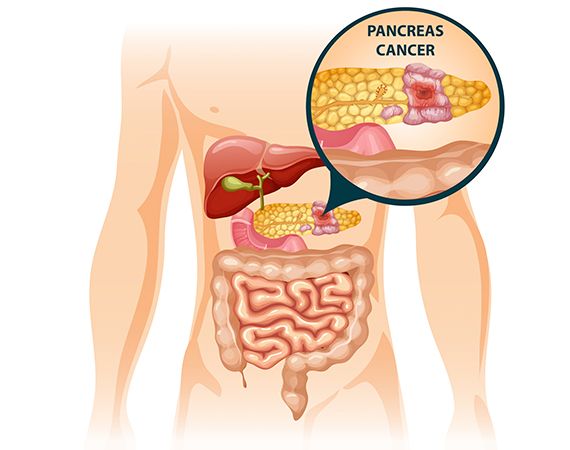
Dr Zahoor Ahmad, an oncologist, explained that pancreatic cancer occurs when malignant cells form in the pancreas, an organ located behind the stomach that plays a vital role in digestion and blood sugar regulation. “Most pancreatic cancers begin in the ducts of the pancreas and are known as pancreatic ductal adenocarcinomas,” he said.
One of the most challenging aspects of the disease is its subtle onset. “Because early symptoms are vague—such as mild abdominal discomfort, back pain, or unexplained weight loss—patients often get diagnosed when the disease is already advanced,” Dr Zahoor added.
There is no single cause of pancreatic cancer, but several factors increase the risk. Cigarette smoking remains the most significant contributor, responsible for 20–30% of cases. “Smoking damages pancreatic cells and increases inflammation, which can trigger malignancy,” Dr Zahoor noted. Other risk factors include chronic inflammation of the pancreas, often linked to alcohol use or gallstones, and genetic predispositions. “Having a family member with pancreatic cancer or certain genetic mutations, like BRCA2 or Lynch syndrome, can increase susceptibility,” he said.
Diet and lifestyle also play a role. High-fat diets, frequent consumption of processed meats, and low intake of fruits and vegetables contribute to heightened risk. Long-standing diabetes, especially when poorly managed, is also associated with a higher likelihood of developing pancreatic cancer. Additionally, age remains a key factor, with risk rising sharply after 50.
While cancers of the breast, lung, stomach, and oesophagus are more common in Jammu and Kashmir, pancreatic cancer cases are steadily increasing. Experts attribute this trend to changing lifestyles, including rising rates of smoking among young and middle-aged adults, dietary shifts, growing obesity and diabetes prevalence, and improved diagnostic facilities detecting more cases. Regional cancer registries indicate that pancreatic cancer still accounts for a relatively small percentage of all cancers in the Union Territory, but doctors caution that the numbers are likely underestimated due to late diagnoses and limited public awareness.
Oncologists emphasize that not all cases are preventable, but lifestyle modifications can substantially reduce risk. Dr Zahoor advised, “Quit smoking immediately, maintain a healthy diet with more fruits, vegetables, and whole grains, limit red meat, fried foods, and processed meats, use olive oil instead of saturated fats, control diabetes and weight, and stay physically active. Regular medical screening is recommended for those at high risk.”
Early detection is key to improving survival rates, yet pancreatic cancer remains difficult to identify before it reaches an advanced stage. Persistent symptoms such as abdominal pain, jaundice, sudden weight loss, or changes in appetite should never be ignored. “People must not ignore persistent abdominal pain, jaundice, sudden weight loss, or changes in appetite,” oncologists stress, noting that timely medical consultation can make a significant difference.
Public health experts argue that raising awareness is as critical as improving treatment facilities. Unlike more common cancers, pancreatic cancer often progresses silently, giving patients and families little time to react. Educational campaigns, community screenings, and lifestyle interventions could play a vital role in reducing future cases.
In Kashmir, where the culture and environment often mask the early signs of disease, proactive measures are crucial. Encouraging healthier eating habits, reducing tobacco use, and controlling diabetes could collectively lower the region’s pancreatic cancer risk. Physicians say the emphasis must shift from reactive treatment to preventive care, a strategy that can save lives and reduce the long-term burden on healthcare systems.
As doctors continue to treat patients and study trends, the key message remains clear: awareness, lifestyle changes, and vigilance are essential. Pancreatic cancer may be silent, but with early action and informed choices, its deadly impact can be mitigated. (KNO)
Leave a Reply