Kashmir’s Hangul Population Hits 323 as Conservation Efforts Turn a Corner
By Irfan Bashir
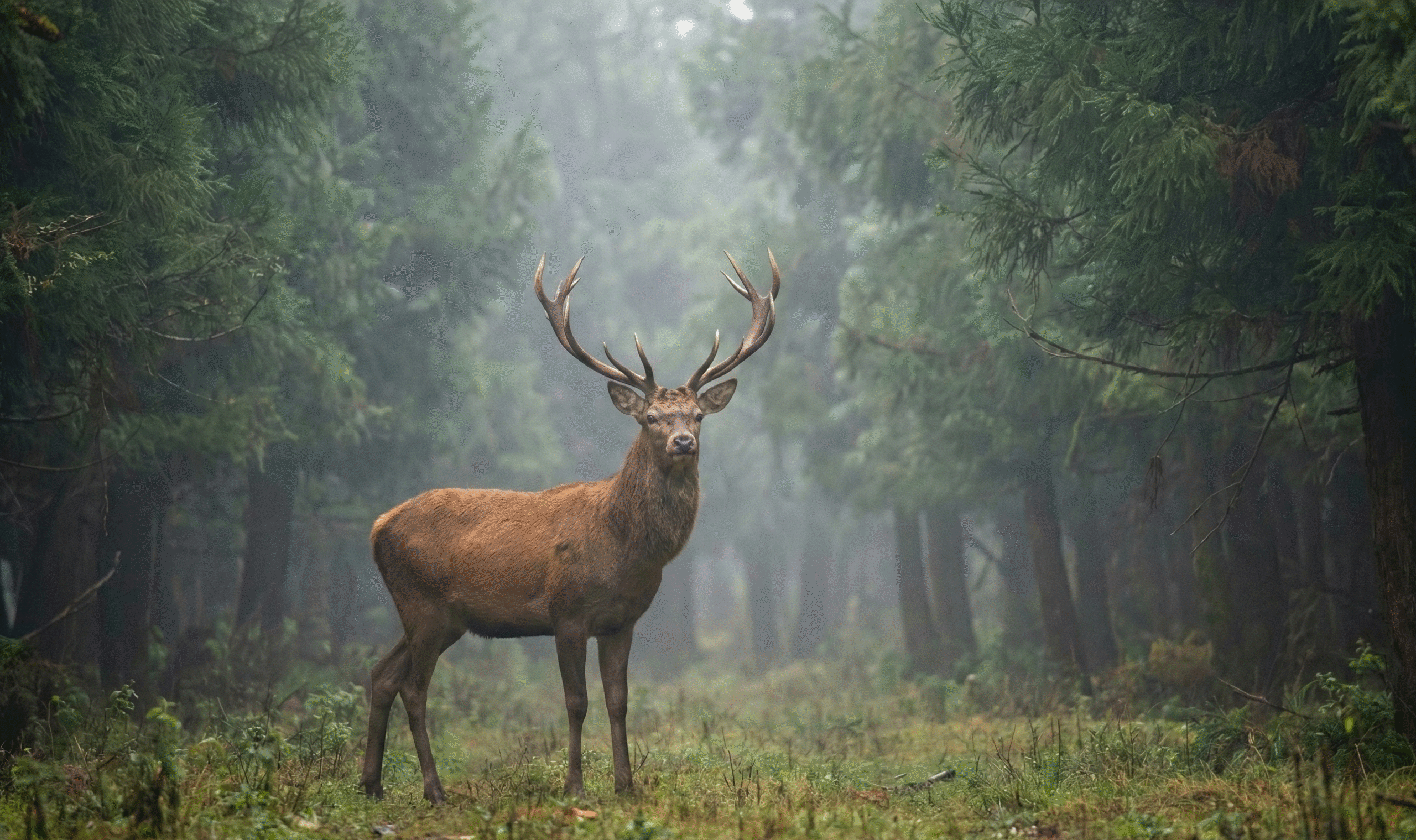
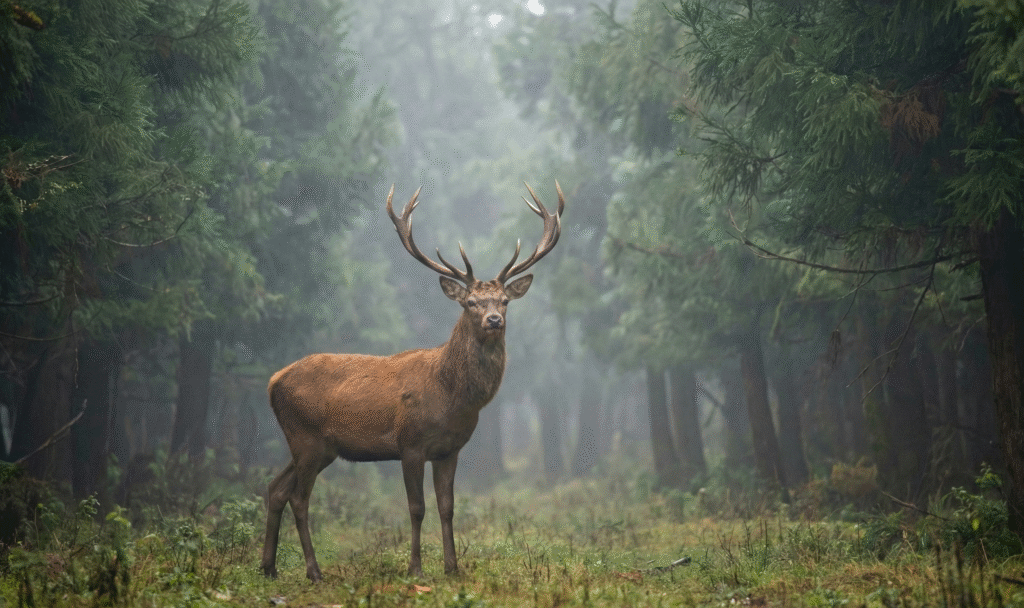
For the first time in decades, the mist-shrouded forests of Kashmir are witnessing a verifiable resurgence of their most iconic resident. The critically endangered Kashmiri Hangul (Cervus hanglu hanglu), a species once teetering dangerously close to extinction, has recorded a population rise to 323 individuals in the 2025 census—up from a historic low of 127 in 2008.
This steady upward trend, revealed in the latest data by the Wildlife Protection Department, coincides with a breakthrough at the Tral Conservation Breeding Centre, where wildlife officials have finally established a functional breeding herd, offering a “second home” to a species that has long been confined to the shrinking sanctuary of Dachigam.
A Fragile Recovery
The increase, though modest in absolute numbers, represents a significant biological victory. Historical records paint a stark picture of what was lost: nearly 118 years ago, the Hangul population stood at an estimated 5,000, roaming a vast arc from the Kishanganga Valley to the Chenab. By the mid-20th century, that number had collapsed.
Continuous habitat loss, poaching, ecological degradation, and the turmoil of conflict reduced the stag to a few fragmented herds. By 2008, the count had plummeted to just 127, sparking fears that the Hangul would vanish entirely from the wild.
“The increase from 127 to 323 is encouraging, but it is still far below what is required for a genetically viable population,” a senior wildlife official cautioned, speaking on condition of anonymity. “Strong habitat protection, community awareness, and strict enforcement against forest encroachment are essential alongside breeding programmes.”
The Tral Breakthrough
While the census numbers reflect the wild population (primarily in Dachigam National Park), the spotlight has shifted to the Conservation Breeding Centre in Shikargah, Tral. Long viewed as a critical insurance policy for the species, the centre has seen renewed focus and infrastructure upgrades.
Wildlife Warden South Kashmir, Suhail Ahmad, noted that sustained and scientific conservation efforts at Shikargah have been pivotal in creating a secure environment for the species to potentially repopulate its former range.
“The Hangul conservation breeding centre at Shikargah Tral, spread over 2.5 hectares, has been made fully functional,” Ahmad said. “The entire area has been properly fenced with a power fence to minimise threats and prevent intrusion.”
This fortification is not merely administrative. The improved infrastructure has significantly reduced risks from the Hangul’s primary modern enemies: predators (leopards), stray dogs, and human interference.
The Habitat Challenge
Experts emphasize that while breeding centers provide a safety net, the real battle is in the open forests. The Hangul’s natural habitat has been fragmented by rapid urbanisation, cement factories, and infrastructure projects that slice through ancient migratory corridors.
“Hangul is a critically endangered animal, and their numbers in natural forests are very low due to continuous disturbance and other ecological issues,” Ahmad explained. “To overcome this, the government established the breeding centre to increase their population under controlled conditions.”
The strategy is a long game: breed the deer in the safety of Shikargah, then release healthy individuals into protected natural habitats once their numbers reach a sustainable level and the forest conditions—free from excessive grazing and encroachment—are ensured.
A Symbol of Survival
The Hangul is more than just a deer; it is the state animal of Jammu and Kashmir and holds immense cultural significance. It is the only surviving subspecies of Red Deer in the Indian subcontinent.
Conservationists believe that with the current trajectory—aided by scientific management and public cooperation—the species can be pulled back from the precipice. The 2025 census data serves as a validation of the “Project Hangul” initiatives that have often struggled for funding and attention.
For now, the rising numbers—both in the wild census and the protected confines of Tral—offer a rare note of hope in Kashmir’s fragile conservation landscape.
Fact File: The Hangul’s Journey
- Scientific Name: Cervus hanglu hanglu
- Status: Critically Endangered (IUCN)
- Key Habitat: Dachigam National Park, Tral Wildlife Sanctuary.
- Population Timeline:
- 1900s: ~5,000
- 2008: 127 (Lowest recorded)
- 2023: 289
- 2025: 323
Leave a Reply