How a High-Altitude Meadow is Redefining Bhaderwah Tourism
By Mool Raj
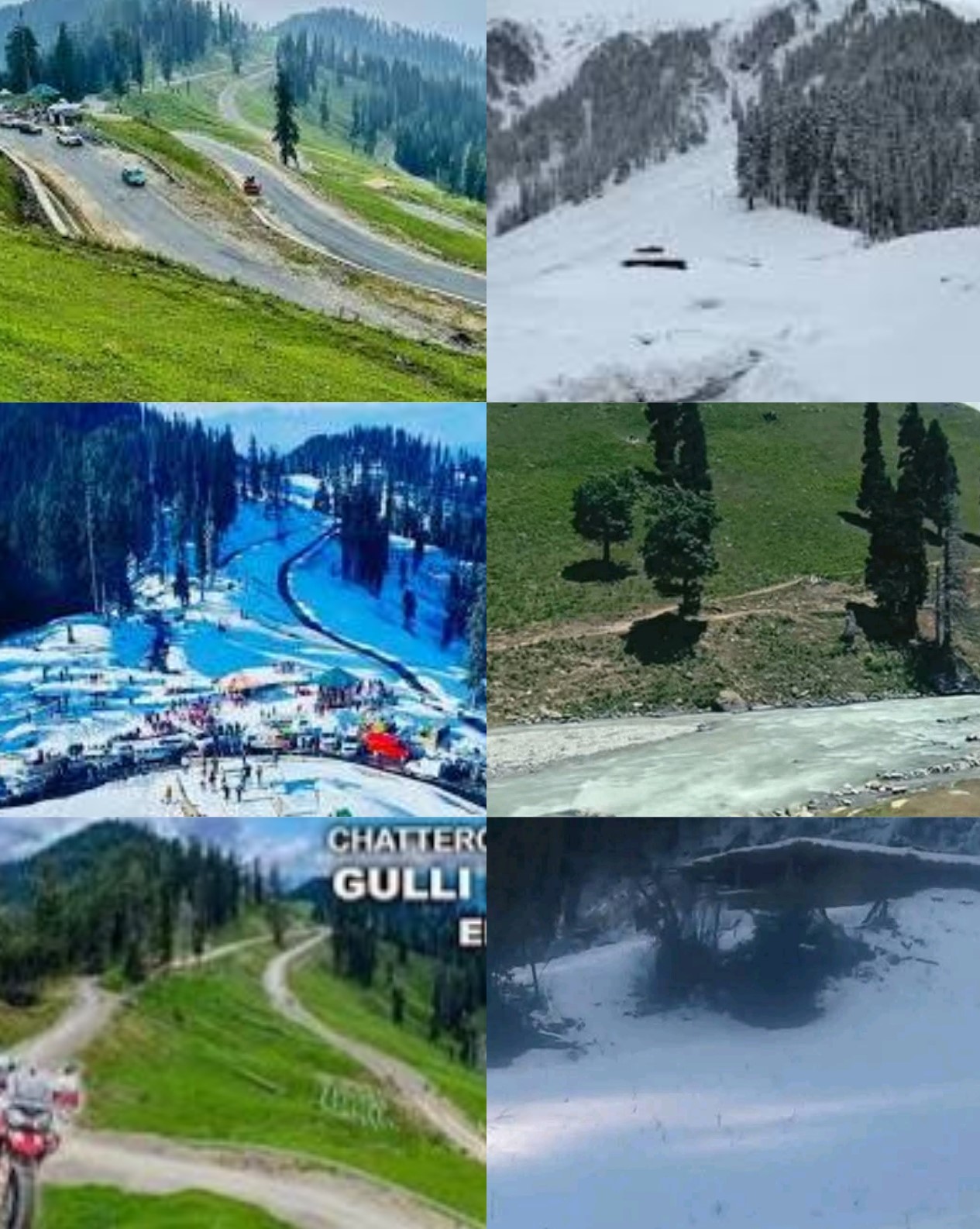
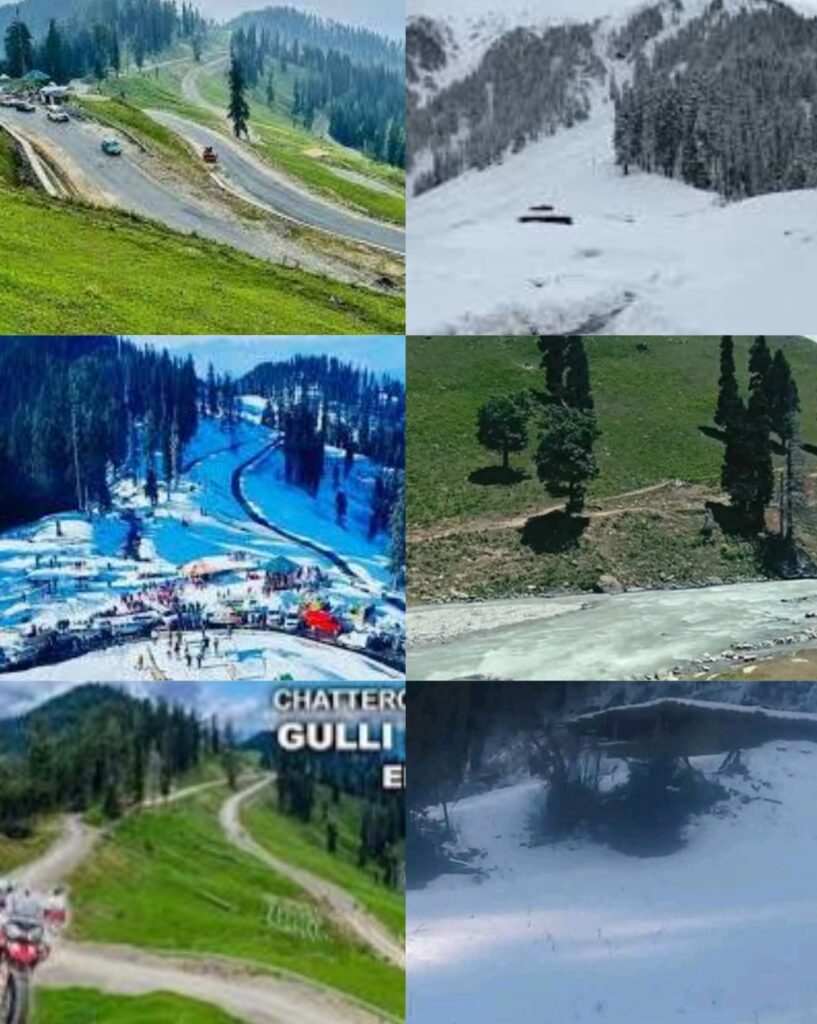
Perched at a staggering altitude of ten thousand feet, the Guldanda meadow in the Bhaderwah region of Jammu and Kashmir has transformed into a veritable winter wonderland, effectively ending a disheartening two-month dry spell that had gripped the Chenab Valley. This scenic locale, often hailed as India’s Mini Switzerland, has recently witnessed a massive influx of visitors, a phenomenon that signals not just the arrival of snow but the revival of a tourism economy that supports thousands of families in the Doda district. The scenes emerging from the meadow are nothing short of magical, with accumulations reaching up to four feet in specific pockets, turning the undulating landscape into a pristine white canvas that has captivated travelers from across the nation.
The surge in footfall is inextricably linked to the strategic restoration of the Bhaderwah-Basholi-Pathankot National Highway. The reopening of this critical infrastructure by the Border Roads Organisation following the heavy snowfall has acted as a lifeline, allowing a pent-up demand for winter travel to release directly into the heart of Bhaderwah. It is a testament to the resilience of the local administration and the allure of the destination that as soon as the asphalt was cleared of debris, convoys of tourist vehicles began their ascent. For the local stakeholders, seeing hundreds of vehicles navigate the winding roads daily is a reassuring sign that Bhaderwah is steadily cementing its position on the national tourist map. Statistics from the past year bolster this optimism, with over five lakh tourists visiting various parts of the region, a figure that local officials believe is merely the tip of the iceberg regarding the area’s potential.
The human element of this tourism boom provides the most compelling narrative. For many arriving from the scorching plains of India, the experience is visceral and emotional. The meadow has become a place where lifelong dreams are realized. One visitor from Uttarakhand poignantly noted that her arrival at Guldanda marked the fulfillment of a childhood wish held for eighteen years. She recounted how her interactions with ice had previously been limited to the mundane confines of a refrigerator or the digital distance of a television screen, making the reality of standing amidst four feet of snow a life-affirming event. Similarly, a tourist from Delhi emphasized the restorative power of the landscape, describing the location as a perfect escape from the relentless grind of metropolitan work life. For these travelers, the biting cold is secondary to the sheer beauty of the preserved wilderness, justifying the Mini Switzerland moniker not as a marketing slogan but as a factual description of the alpine topography.
However, the conversation surrounding Bhaderwah’s rise is shifting from mere sightseeing to a more holistic tourism strategy. While the snow is the immediate hook, sustainable growth requires a pivot toward cultural immersion. Tourism experts and editorial voices are increasingly advocating for a model that goes beyond the scenic view. The vision for Bhaderwah involves integrating the rich tapestry of local heritage into the visitor experience. This includes the promotion of traditional performing arts such as the Kud and Heran dances. These distinct cultural expressions offer tourists a rhythm and narrative that photographs of snow cannot convey. By showcasing these traditions, the tourism sector can create a deeper emotional bond between the visitor and the land, turning a visual trip into a cultural pilgrimage.
Furthermore, the strategy emphasizes the necessity of traditional village experiences. The promotion of homestays is crucial in this regard. Unlike impersonal hotels, homestays offer an authentic window into the lifestyle of the Bhaderwahi people. They provide a platform for local cuisine, crafts, and stories to take center stage. When a tourist stays in a village home, they contribute directly to the micro-economy of that household, ensuring that the financial benefits of tourism are distributed more equitably across the community. This approach aligns with the growing global trend of responsible tourism, where the objective is to enrich the visitor experience while simultaneously supporting the local economy and preserving the environment.
The narrative of Guldanda is therefore evolving. It is no longer just about the weather; it is about the management of a natural asset. The heavy snowfall at Panj Nallah and Chattargalla is a gift of nature, but the sustainability of the tourism it generates depends on human foresight. By encouraging tourists to engage with local crafts and respect the ecological fragility of the high-altitude meadows, Bhaderwah can avoid the pitfalls of over-tourism seen elsewhere. The goal is to create unique, culturally immersive trips that offer more than just a backdrop for selfies. As visitors continue to throng the snowy slopes, expressing that the experience is like a fairy tale or a memory to be cherished forever, the responsibility lies with the stakeholders to ensure this paradise remains preserved. The current wave of enthusiasm, driven by the fresh snowfall and the successful reopening of the highway, offers a golden opportunity to rebrand Bhaderwah not just as a seasonal snow destination, but as a year-round hub of culture, nature, and responsible travel.
The views expressed in this article are solely those of the author and do not necessarily reflect the opinions or views of this newspaper
Leave a Reply