How Kashmir’s Changing Plate is Fueling an Infertility Epidemic
By Jahangeer Ganaie
In the verdant valleys of Kashmir, a region historically celebrated for its wholesome, agrarian diet and active lifestyle, a quiet health crisis is unfolding behind the closed doors of fertility clinics. Amid growing concerns over infertility among couples, medical experts in Kashmir say that diet and nutrition play a decisive role in determining fertility outcomes for both men and women, influencing hormonal balance, reproductive health, and the quality of sperm and eggs. What was once considered a strictly medical issue treated with pharmaceuticals is now being re-examined through the lens of lifestyle, as doctors warn that the region’s rapid dietary transition is exacting a heavy toll on its reproductive future.
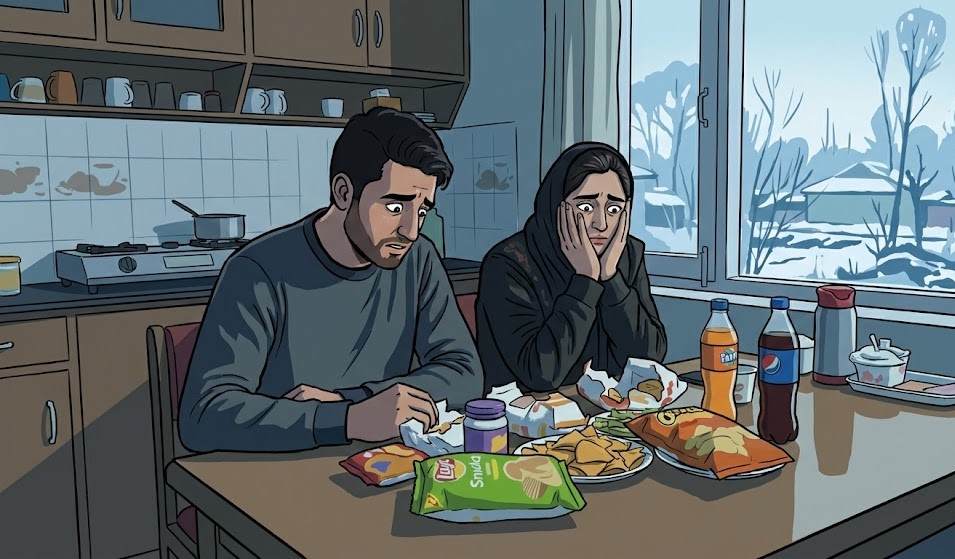
The shift has been subtle but profound. The traditional Kashmiri diet, once dominated by fresh collards, lean meats, and seasonal fruits, is increasingly being displaced by high-calorie, nutrient-poor alternatives. Doctors say that changing food habits, increased consumption of processed foods, sedentary lifestyles, and nutritional deficiencies are increasingly contributing to fertility-related problems, often going unnoticed until couples seek medical help. This epidemiological shift mirrors a global trend, yet the localized impact in the valley is exacerbated by harsh winters that naturally limit physical activity, compounding the effects of a diet now rich in trans fats and refined sugars.
The medical community is urging a return to basics, emphasizing that the foundation of a new life begins long before conception. Speaking to the news agency—Kashmir News Observer (KNO), Dr Shaheena Khan, a gynaecologist at the Directorate of Health Services Kashmir (DHSK), said nutrition is one of the most important yet neglected pillars of reproductive health. Her observations come at a time when infertility rates in South Asia are climbing, with lifestyle factors estimated to contribute to a significant percentage of these cases. The biological mechanisms are complex, yet the correlation is clear: what one eats dictates the chemical environment in which gametes, sperm and eggs, develop.
“Diet has a direct impact on fertility as it affects hormonal balance, ovulation, sperm production, and the overall health of reproductive organs in both men and women,” she said. This hormonal symphony is delicate, easily disrupted by the metabolic chaos caused by poor nutrition. Dr Khan highlighted the strong link between body weight and fertility, noting that both obesity and being underweight can disrupt normal reproductive functions. In a region seeing rising obesity rates due to urbanization, this is a critical warning. Adipose tissue is not merely fat storage; it is biologically active, producing hormones like estrogen that, in excess, can confuse the body’s reproductive signals.
“Excess body fat can lead to hormonal imbalance and irregular ovulation, while being underweight may suppress ovulation altogether. Maintaining a healthy weight through a balanced diet is essential for conception,” she explained. However, weight is only one metric of health. A person can be of normal weight yet suffer from ‘hidden hunger’, micronutrient deficiencies that devastate fertility at the cellular level. To combat this, Dr Shaheena further said that diets rich in fruits and vegetables provide essential antioxidants such as vitamins C and E, zinc, and selenium, which help reduce oxidative stress, a major factor that damages sperm and egg cells. Oxidative stress occurs when harmful free radicals outnumber the body’s protective antioxidants, essentially rusting the cells from the inside out. In the context of reproduction, this can lead to fragmented DNA in sperm or poor egg quality, leading to failed implantation or early miscarriage.
Specific nutrient gaps are also drawing scrutiny. “Iron is particularly important for women as it supports ovulation and reduces the risk of ovulatory infertility, while vitamin D plays a key role in reproductive hormone production. Deficiency of vitamin D has increasingly been linked with infertility in both genders,” she added. Given that vitamin D deficiency is endemic in Kashmir due to limited sun exposure and dietary habits, this insight is particularly relevant for local couples struggling to conceive.
The conversation around infertility often unfairly centers on women, but local experts are pushing back against this stigma, highlighting that reproductive health is a bilateral equation. Another gynaecologist, Dr Javid Reshie, said fertility is not just influenced by medical conditions but also by everyday lifestyle and dietary choices. He emphasized that the modern entrapments of convenience food and social habits are eroding male fertility just as aggressively as female fertility. “Excessive intake of alcohol and caffeine can adversely affect fertility, while trans fats commonly found in processed and fast foods impair insulin sensitivity and ovulation,” he said.
Insulin resistance is a key culprit, serving as a bridge between diet and reproductive failure. When the body struggles to process sugar due to a diet high in processed carbohydrates, insulin levels spike, which can stimulate the ovaries to produce excess testosterone. This mechanism is central to Polycystic Ovary Syndrome (PCOS), a condition becoming alarmingly common among young women in the valley. For women, Dr Reshie said, dietary choices are especially important for those suffering from conditions like polycystic ovary syndrome (PCOS). “A low-glycemic-index diet helps regulate insulin levels and improves ovulation in women with PCOS, thereby increasing their chances of conception,” he added.
However, the male factor remains a significant, often under-discussed component of the crisis. He pointed out that declining sperm quality among men is becoming a growing concern. Global studies suggest sperm counts have dropped significantly over the last few decades, a trend echoed in local clinics. “A diet rich in antioxidants, zinc, omega-3 fatty acids, and healthy fats can significantly improve sperm count, motility, and morphology. Men should avoid processed meats, sugary foods, and excessive soy products, as these can negatively affect testosterone levels,” he said. The biological reality is that sperm take roughly three months to generate, meaning that dietary changes made today can have measurable impacts on fertility markers in the near future.
Both doctors stressed that fertility should be approached as a shared responsibility between partners and that preconception nutrition is crucial even before couples plan pregnancy. This concept of “preconception care” shifts the focus from treating infertility to optimizing health before trying for a baby. It suggests that the health of the child is determined not just during the nine months of pregnancy, but during the months leading up to fertilization. “Increasing infertility cases are not always due to major diseases. In many instances, simple dietary corrections and healthy lifestyle changes can restore reproductive balance,” they said.
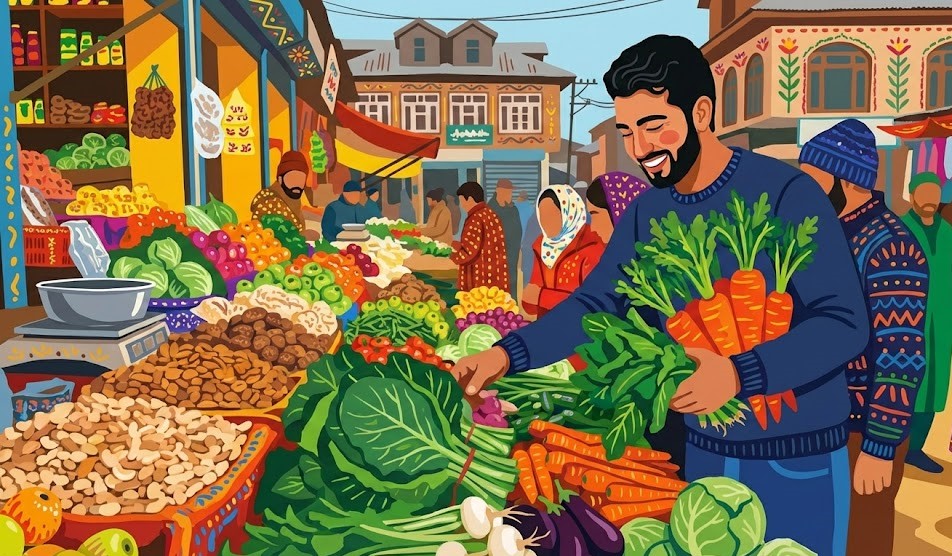
The prescription for this widespread issue is surprisingly non-medical. It requires a cultural shift back to whole, unprocessed foods, a challenge in an era of rapid food delivery and processed staples. They advised people to adopt a nutrient-rich diet comprising fresh fruits, vegetables, whole grains, lean proteins, dairy, nuts, seeds, and healthy fats, while limiting processed foods, sugary drinks, and trans fats. This entails reintegrating traditional staples like walnuts and almonds, naturally rich in omega-3s, and prioritizing local greens over fast food.
Ultimately, the message from the medical community is one of empowerment rather than despair. While medical interventions exist, the first line of defense is the grocery basket. “For long-term reproductive well-being and to prevent infertility, people must prioritise healthy eating habits, regular physical activity, and timely medical consultation. Fertility begins with nutrition,” the doctors said. By viewing food as fuel for reproduction, couples can take proactive control of their biological health. According to doctors, nutrition plays a vital role in reproductive health for both sexes. Fertility isn’t only a woman’s issue up to 50% of infertility cases involve male factors too, and diet influences sperm health just as much as it affects ovulation and hormonal balance in women, they said. The doctors added that a balanced eating pattern helps protect reproductive cells, maintain hormonal balance, and improve overall fertility potential.
With inputs from KNO
Leave a Reply