We often measure success by what we’ve acquired, but the true architecture of our ambition is built on the quiet sacrifices of those who had the least to give.
By Aubaid Ahmad Akhoon
The psychology of the modern consumer is often a frantic race toward the next acquisition, a pursuit of the latest silhouette or the newest tech that promises to elevate our status. We measure our success by the weight of our shopping bags and the prestige of the labels we wear, yet we rarely pause to consider the architecture of the hands that built our ability to shop in the first place. For many of us, the origin story of our ambition isn’t found in a boardroom or a textbook but in the quiet, rhythmic austerity of a childhood home where resources were a finite, precious commodity. In those hallways, the arrival of a new school uniform wasn’t just a logistical necessity but a milestone of the calendar, an annual event that carried the weight of a ceremony. My own history is written in those moments of scarcity, where the concept of “indulgence” was an alien language and the luxury of choice was replaced by the grace of what was available. New clothes were reserved for the sacred intervals of Eid, a time when the world seemed to brighten not just through faith, but through the rare tactile joy of unworn fabric.
Looking back through a journalistic lens, it becomes clear that poverty isn’t just a lack of funds; it is a profound test of a parent’s ability to shield a child’s spirit from the harsh edges of reality. My parents were master architects of this protection. They lived in the shadows of their own needs, orchestrating a narrative where we never felt the sting of deprivation despite the tightening grip of our bank balance. They didn’t just provide; they performed a daily miracle of subtraction, taking from their own comfort to ensure our potential remained intact. As the arc of my life shifted and the struggle of those early years gave way to the stability of professional success, the impulse to spend was immediately redirected. The first taste of financial freedom didn’t lead me to a solo shopping spree but to a conscious, unbreakable pact: for every comfort I secured for myself, I would secure a mirror of it for my parents. This wasn’t an act of charity or even a simple gift. It was a restitution. It was a tangible acknowledgment of the decade’s worth of “no” they had whispered to themselves so that I could one day say “yes” to the world.
There is a biological vulnerability to our beginning that we tend to sanitize as we age into the hardness of adulthood. A newborn’s skull is famously delicate, a soft vessel of potential that requires a vigilance so constant it borders on the divine. We forget that we were once that fragile, and we certainly forget the exhaustion of the arms that held us together. The love of a mother and a father is the only labor in the world that is expected to be unconditional and yet is so frequently under-compensated in the currency of gratitude. As we grow, we develop a sharp, clinical eye for their flaws. We become critics of their outdated perspectives or their tactical errors in judgment, holding them to an impossible standard of perfection that we ourselves could never meet. We scrutinize their decisions without acknowledging that they were often making them in the dark, fueled only by the desperate hope that we would turn out better than they did. The truth is that their perfection is irrelevant. The debt we owe them is not for their flawlessness, but for the fundamental fact of our existence and the staggering amount of energy it took to keep us alive, fed, and sane.
This philosophy of recognition extends beyond the home and into the classrooms where our identities are forged. I recall a teacher who served as a lighthouse during my formative years, a man whose wisdom acted as a compass when I was drifting toward ignorance. Whenever I visit him now, I bring a gift. He protests, of course, insisting that the gesture is unnecessary, but his protest misses the metaphysical point of the exchange. No material item could ever function as an equal trade for the values he instilled in me, yet the act of giving serves as a marker. It is a way of saying, “I see the imprint you left on my soul.” If we fail to recognize the people who refined us—the mentors who saw our raw potential and hammered it into a realized purpose—we become spiritually adrift. We lose the ability to appreciate the unseen foundations of our own success.
The true value of any offering, whether to a parent or a mentor, has never been tied to its price tag. We live in a society that fetishizes the “grand gesture,” yet the most profound impacts are often made by the smallest, most sincere tokens of appreciation. This is echoed in the timeless story from Islamic tradition regarding Prophet Isa, peace be upon him. When the wealthy offered their fortunes, it was the single coin of a poor woman that resonated most deeply in the divine realm. Her gift was not measured by the treasury, but by the percentage of her heart that accompanied it. It was priceless because it represented her totality. This is the standard to which we should hold our own gratitude. It is not about the volume of what we give, but the depth of the care behind it.
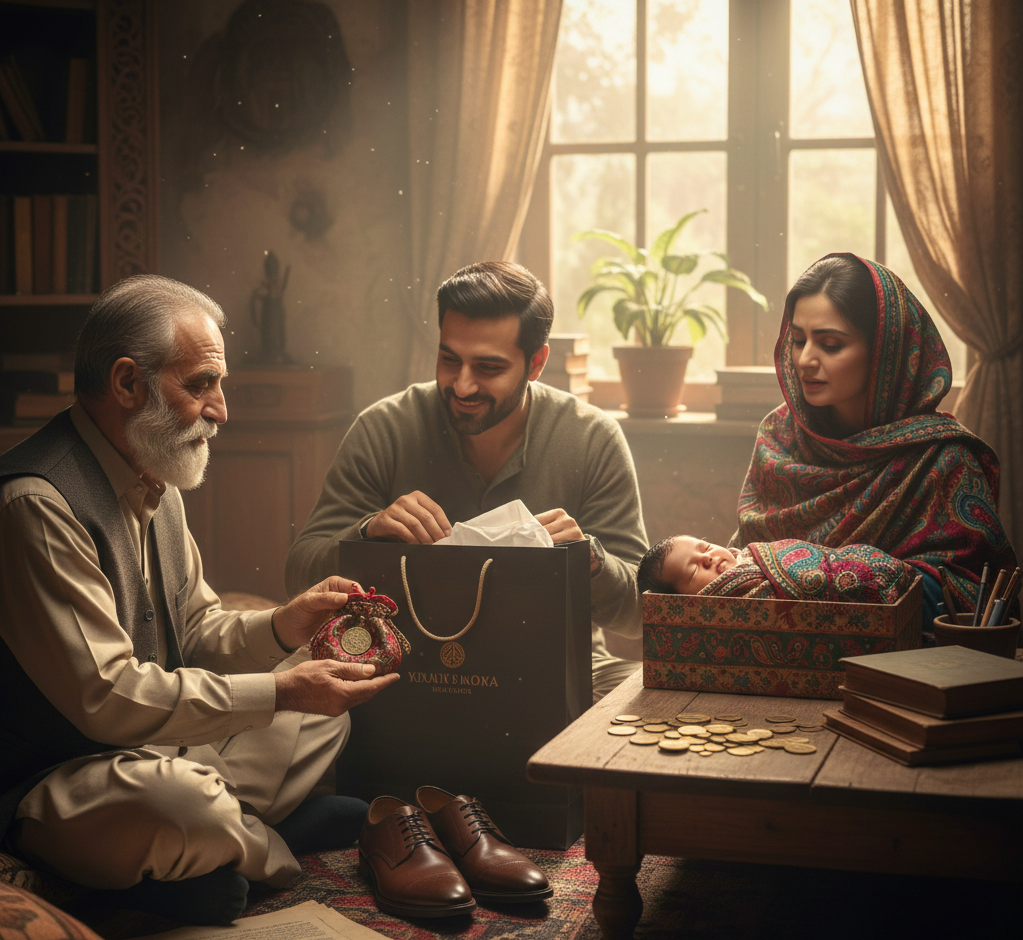
Life often hands us blessings we did nothing to earn—the luck of our birth, the teachers who cared a little too much, the parents who sacrificed their health for our education. True gratitude is not a feeling; it is a lifestyle. It is expressed through the way we honor these people in our daily actions and the respect we accord them when no one is watching. To live with a heart full of gratitude is to acknowledge that we are not self-made. We are a mosaic of other people’s sacrifices. Our task is to ensure that their devotion was not in vain and that the love they poured into us is reflected back onto them, and then passed forward to the next generation. In the end, we are defined not by what we have accumulated, but by how we honor the architects of our lives.
The views expressed in this article are solely those of the author and do not necessarily reflect the opinions or views of this newspaper. The author can be reached at [email protected]
Leave a Reply