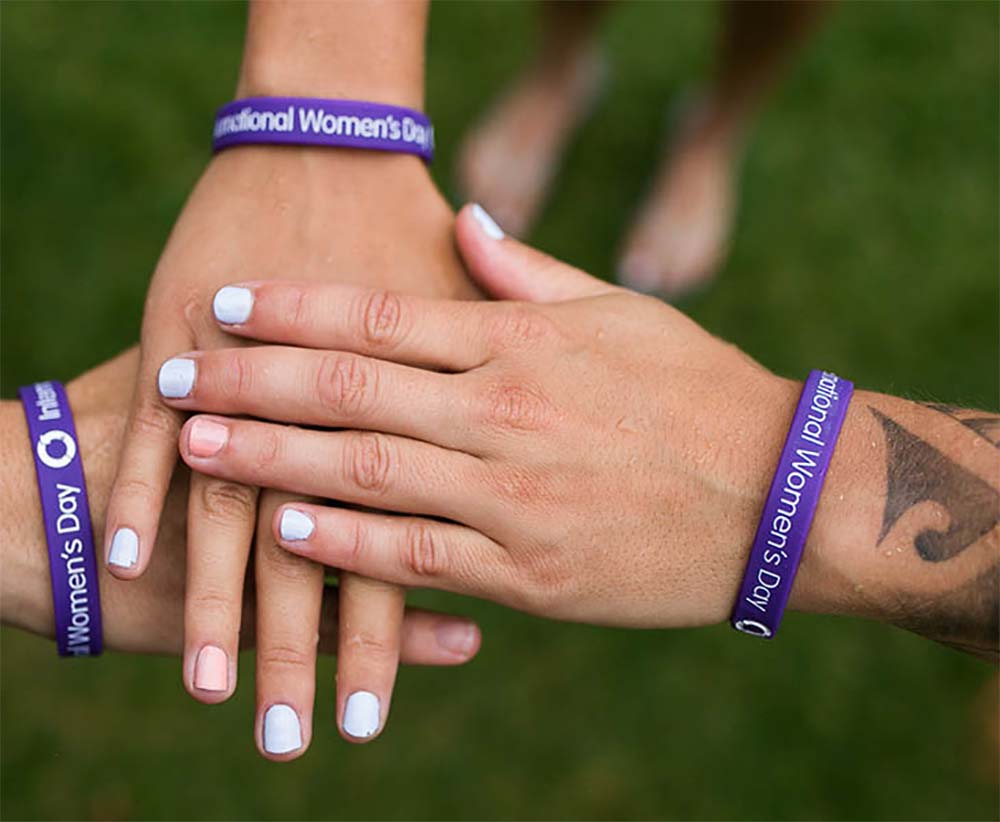
International Women’s Day is more than a date on the calendar; it is a mirror reflecting our collective failures and successes
By Suhaib Idrees Lateef
International Women’s Day, observed globally on March 8, stands as a profound testament to the historical and contemporary struggle for gender parity while celebrating the vast socio-economic and cultural achievements of women across the globe. From the bustling metropolitan centers of the West to the lush and charming valleys of Kashmir, this day is intended as a unified call to action for governments and grassroots organizations to dismantle the structures of discrimination that have long stifled the potential of half the human race. It is a day rooted in the collective conscience of humanity, designed to honor the intellect and resilience of women while advocating for their full and equal participation in every sphere of global development.
Today, the world frequently speaks of empowerment and celebrates the inclusion of women in corporate boardrooms and political arenas, yet beneath these high-profile successes lies a complex and often painful reality for those living in conflict-ridden or deeply traditional regions. In the specific context of Kashmir, March 8 often serves as a somber reminder of the vast chasm between the international ideals of liberty and the lived experience of local women who remain caught in a web of dependency and societal restriction. While women in many parts of the world are charting new territories in space exploration and technology, the women of Kashmir find themselves struggling for the most basic fundamental rights promised under the Universal Declaration of Human Rights and the Convention on the Elimination of All Forms of Discrimination Against Women.
The current atmosphere in the region is one where the promise of freedom often feels like a distant bloom because the social and political environment remains largely exclusionary. It is heart-wrenching to witness the systematic deprivation of their basic rights, where even the simple act of dreaming or planning a future is met with skepticism or outright prohibition. The recurring questions of why a woman should seek education or why she should engage in enterprise reflect a deep-seated bias that rehabilitates the status quo rather than the individual. We see a landscape marked by tragic narratives ranging from the horrors of acid attacks to the isolation felt by those desolated by high-class society after being cast aside.
High-profile tragedies like the Asifa and Nirbhaya cases are blatant scars on the collective memory, reminders that whether at home or in the workplace, intimidation remains a constant checkpoint. These are not merely statistics but heart-wrenching stories of human beings living in the shadow of neglect. The situation for rural women, particularly among the Gujjar and Bakerwal tribes, is even more dire as they are often forgotten by the mainstream political machinery except during the brief hours of electoral campaigning. These women are frequently forced into marriages against their will and denied the education that could serve as their bridge to liberation.
It is a mockery of the day’s significance when the struggle is reduced to small seminars in government halls or college talk shows that fail to reach the ground level where the real suffering exists. The lack of a dedicated home for destitute and terrified women in Jammu and Kashmir is a glaring omission in our social infrastructure, leaving the depressed classes to find solace only in the overcrowded and under-visited wards of hospitals like SMHS. True empowerment requires more than speeches; it demands a rehabilitation of the spirit and a physical sanctuary for those with nowhere else to turn.
Despite these immense challenges, the history of womanhood remains illuminated by icons of strength like Indira Gandhi, Sarojini Naidu, and the revolutionary Rani of Jhansi, as well as local legends like Lal Ded and Habba Khatoon who have long inspired the folk of the valley. In the modern era, the successes of figures like Dr. Syed Sehrish Asgar and other trailblazers prove that the intellectual capacity of Kashmiri women is second to none when given the opportunity. We must also acknowledge the quiet resilience of mothers who, despite being hit by the odds of a traditional society, have dedicated their lives to rearing children who become the best versions of themselves.
My own mother is a primary example of this unshakable spirit, providing the encouragement to write for this prestigious cause and serving as a beacon of love in a world that can often be cold and indifferent. This resilience is what keeps the flame of hope alive amidst rising divorce rates and increasing reports of harassment. The goal of International Women’s Day should therefore move beyond a simple expression of gratitude and toward a full-fledged commitment to trust women with greater liberty. We must empower NGOs and local agencies to move beyond mere presence and toward actual ground-level work, such as establishing shelters and ensuring that a girl’s education is never truncated by societal pressure.
By providing a platform for their voices and a safety net for their lives, we can transform March 8 from a day of symbolic tributes into a catalyst for genuine structural change. This write-up is dedicated to every Kashmiri woman who continues to stay afloat despite shattered dreams and to those who work tirelessly to ensure that the next generation of daughters will not have to fight the same battles for dignity and honor. We must boost the female folk with an enthusiastic and authentic approach, recognizing that our success as a society is inextricably linked to their freedom. Only then can we say that we have honored the objective of this day and moved closer to a future where every woman can live with the fame and fortune of true liberty.
The views expressed in this article are solely those of the author and do not necessarily reflect the opinions or views of this newspaper. The author can be reached at idreesdalal865@ gmail.com
Leave a Reply