Between the nexus of timber smugglers and the unchecked surge of toxic vehicle emissions, the natural beauty of our region is being traded for short-term gain.
By Syed Mustafa Ahmad
The ecological crisis is no longer a distant threat or a headline for the future; it is the definitive challenge of our era. While the global community grapples with a spectrum of systemic failures from entrenched poverty to the erosion of human rights environmental degradation stands as the existential umbrella under which all other crises huddle. Environmental pollution, fundamentally defined as the introduction of deleterious contaminants into the natural world, has shifted from a byproduct of progress into a primary threat to biological and structural stability. Although this process has been simmering since the dawn of the Industrial Revolution, the 2020s have seen it reach a boiling point. The data is unequivocal: the last decade was the warmest on record, and 2024 and 2025 have already shattered previous temperature benchmarks. This is not merely a statistical anomaly but a physical reality manifested in the rapid depletion of India’s groundwater tables, the catastrophic flooding of urban centers, and the apocalyptic bushfires that have decimated Australian biodiversity. From the fragile, retreating glaciers of the Himalayas to the thinning ice sheets of Antarctica, the Earth’s life-support systems are signaling a state of emergency.
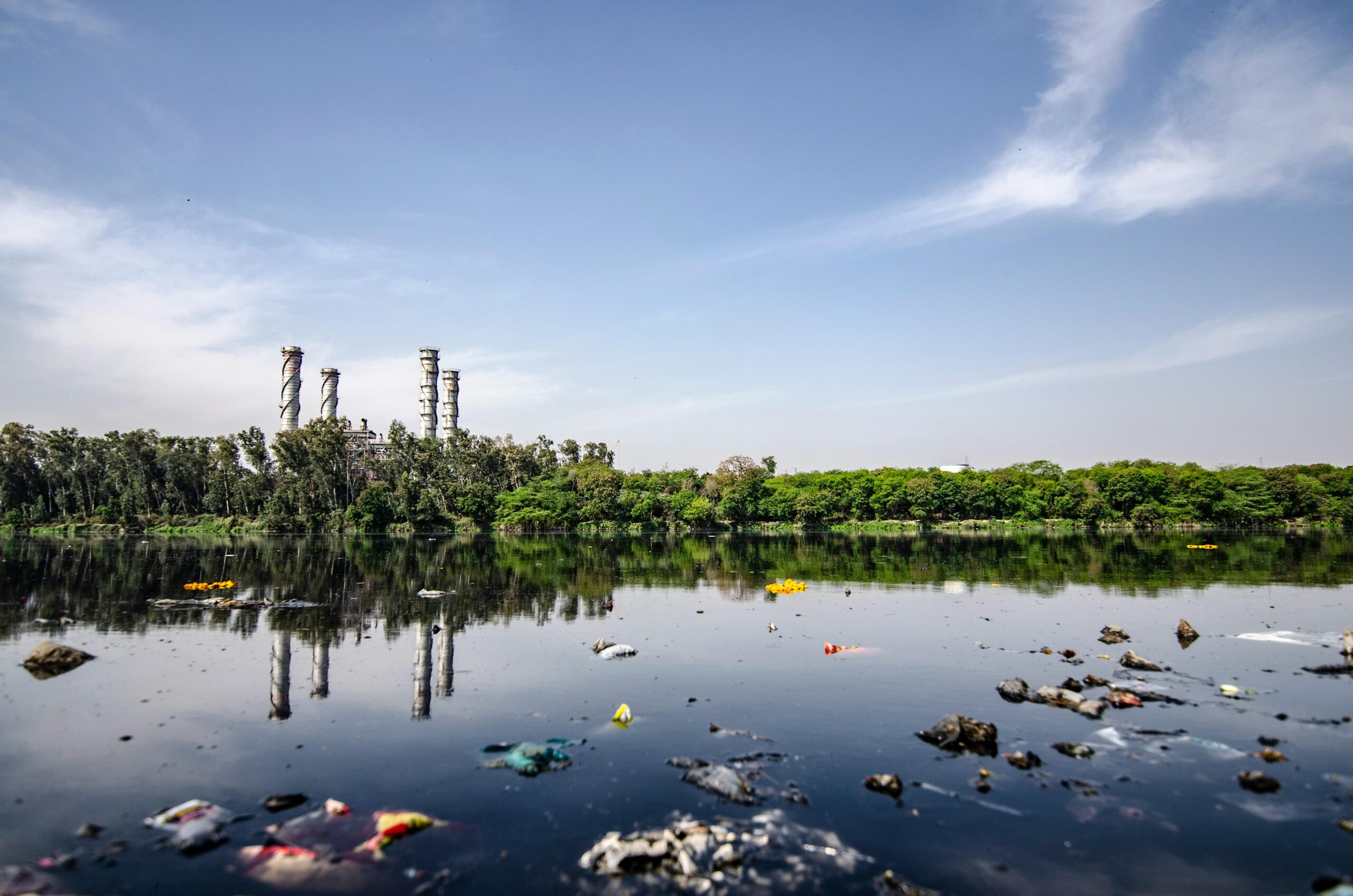
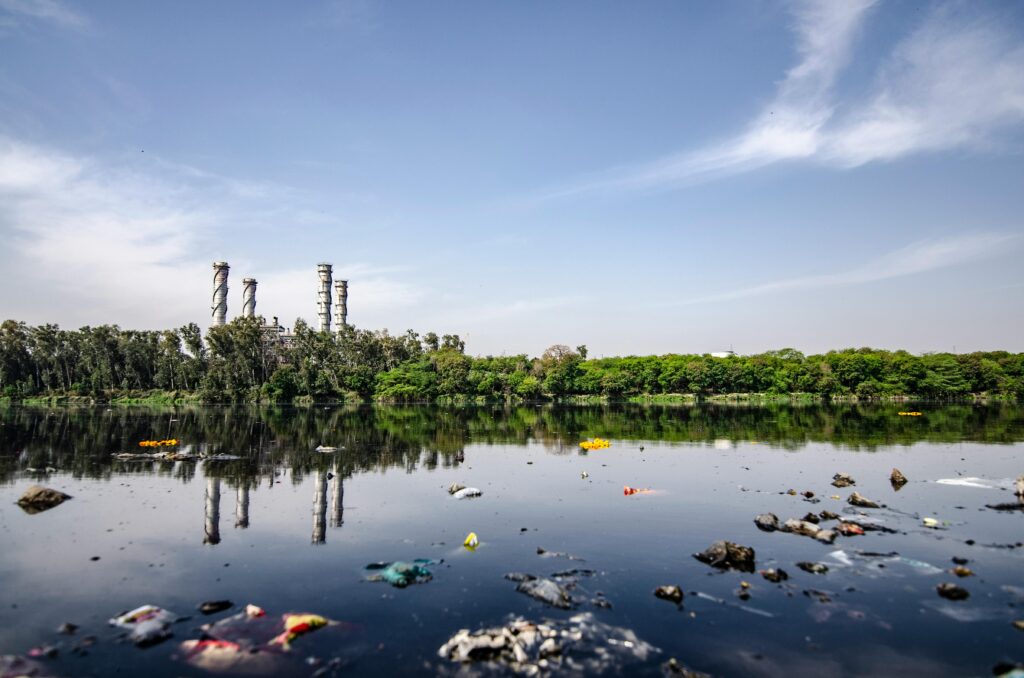
The primary architect of this destabilization remains unregulated industrialization. While industry drives the global economy, its traditional model remains parasitic toward the environment. Heavy machinery and manufacturing plants continue to vent a cocktail of toxic gases—including sulfur dioxide and nitrogen oxides—into the atmosphere, while industrial effluents are discharged into our waterways. This thermal and chemical pollution does more than just muddy the water; it collapses marine ecosystems, triggering a domino effect that disrupts the global food chain. These sites are not just eyesores; they are chemical reactors leaching toxins into the soil and venting methane, a greenhouse gas significantly more potent than carbon dioxide. Locally, our own valleys face a similar crisis of mismanagement. The lack of scientific waste-processing infrastructure means that refuse is often dumped in ecologically sensitive zones, poisoning the very landscapes that sustain our tourism and agriculture.
Parallel to industrial waste is the systematic stripping of the planet’s lungs through deforestation. The Amazon rainforest, often cited as the world’s primary carbon sink, has reached a “tipping point” where parts of the basin now emit more carbon than they absorb due to logging and fires. This global trend has local echoes. In our valleys, the illicit timber trade continues to flourish, often bolstered by a nexus of corruption between smugglers and negligent officials. This is not just a loss of scenery; it is a loss of security. Deforestation leads to erratic rainfall patterns, causing a devastating cycle of flash floods and prolonged droughts. Furthermore, as we encroach upon the wild, we witness a sharp rise in human-wildlife conflict. When the forest disappears, the animals do not simply vanish; they enter our villages and orchards in a desperate search for survival, leading to tragic outcomes for both species.
The crisis is further accelerated by our obsession with internal combustion. The sheer volume of vehicles on our increasingly congested, narrow roads has turned our air into a respiratory hazard. In India, the transport sector remains a massive contributor to ambient air pollution, with older, poorly maintained vehicles emitting high levels of particulate matter. Beyond the air we breathe, the reliance on non-renewable fossil fuels is a race toward a dead end. The nitrogen and sulfur emissions from this sector are the primary precursors to acid rain, which slowly leaches nutrients from our soil and corrodes our architectural heritage. Despite the rise of electric vehicles, the transition is not happening fast enough to offset the sheer number of new registrations clogging our arteries every day.
However, the structural causes are amplified by a pervasive culture of domestic negligence. We have become a society that treats energy and water as infinite resources. We see this in the “vampire power” of electronics left plugged in, the streetlights that burn long after sunrise, and the criminal waste of treated drinking water used to wash cars or hosed onto dusty driveways. In a world where water scarcity is predicted to be the next great driver of conflict, our leaky taps and idling engines represent a profound moral failure. We waste food at a scale that is staggering, oblivious to the fact that rotting food in landfills is a major source of methane. We are surrounded by noise and light pollution—televisions blaring in empty rooms and mobile devices left on perpetually creating a constant hum of consumption that serves no purpose other than to drain our resources.
Ultimately, the root of the problem is a crisis of consciousness. We have taken the Earth’s endowments for granted, operating under the delusion that the environment is a resilient backdrop rather than a fragile partner. We lack the diligent mindset required to respect the complex diversities of our ecosystem. We often only find our sense of urgency when disaster strikes when the flood enters our home or the heatwave makes the air unbreathable. This reactive approach is no longer sustainable. We must shift toward a proactive philosophy of “environmental compassion,” recognizing that the Earth is not a commodity to be exploited but a sacred trust to be maintained.
The damage already done is extensive, but it is not yet total. We are currently in a window of “real construction,” where every individual choice acts as a vote for the type of future we want to inhabit. This requires an urgent departure from complacency. We must pledge to move beyond mere rhetoric and adopt sustainable practices at the individual level—reducing our carbon footprint, demanding scientific waste management from our leaders, and protecting our local forests with the same vigor we protect our homes. The environment does not need our pity; it needs our discipline.
The views expressed in this article are solely those of the author and do not necessarily reflect the opinions or views of this newspaper. The author can be reached at s[email protected]
Leave a Reply