How a simple dedicated space can replace anxiety with energy and addiction with discipline.
By Sahil Manzoor Bhatti
In the high-octane environment of the modern era, where the relentless pursuit of professional milestones often eclipses personal well-being, the concept of discipline has never been more critical. We inhabit a world saturated with stress and anxiety, a reality reflected in the surging rates of lifestyle-related ailments. From the silent progression of fatty liver disease and skyrocketing cholesterol levels to the pervasive epidemic of obesity, the physical toll of contemporary life is undeniable. To navigate this landscape, we must reclaim a sense of order. True health is not an accident but a product of intentionality, requiring a trifecta of a balanced diet, regular physical activity, and the vigilance of routine medical screenings.
When we examine the human form, we see a biological masterpiece that functions with a precision no man-made machine can replicate. Every heartbeat, every breath, and the intricate dance of digestion and excretion operate under a natural governance that borders on the miraculous. Consider the cell, the fundamental unit of our existence. Within an adult human, some 25 trillion of these living units work in concert. They house complex organelles like the Endoplasmic Reticulum and Golgi Apparatus, which synthesize and package the very building blocks of our survival. Ribosomes act as protein factories while lysosomes serve as the body’s internal recycling system. This microscopic world, governed by laws we are only beginning to decode, suggests a divine architecture. Even the non-living world, structured by atoms so minute they evade the naked eye, points toward a universal order that humbles our scientific advancements. Despite our cutting-edge technology, we remain stymied by the complexities of cancer, the persistence of AIDS, and the intricacies of chromosomal disorders. This humility should guide our perspective on global power; true strength lies not in geopolitical dominance but in recognizing the intrinsic value of every living creature and the fragile balance of the universe we inhabit.
Amidst these philosophical reflections, the practical necessity of movement remains paramount. While we often prioritize wealth, fame, or infrastructure, the foundation of every human endeavor is health. It is the silent engine that drives success, yet it is frequently the first thing we sacrifice. Interestingly, those who perform manual labor are often the most physically resilient due to the nature of their work, yet they are frequently the most economically vulnerable. There is a profound social irony in the fact that those who keep our society running through physical toil often lack the financial security to support a basic livelihood. Advocating for a minimum monthly remuneration of at least ₹10,000 for such laborers is not just an economic necessity but a moral one, ensuring that those who use their bodies to build our world are not left insecure. Similarly, professional athletes are fortunate to find a synergy between their passion and their physical health, gaining fame and stability through the very movement that keeps them fit.
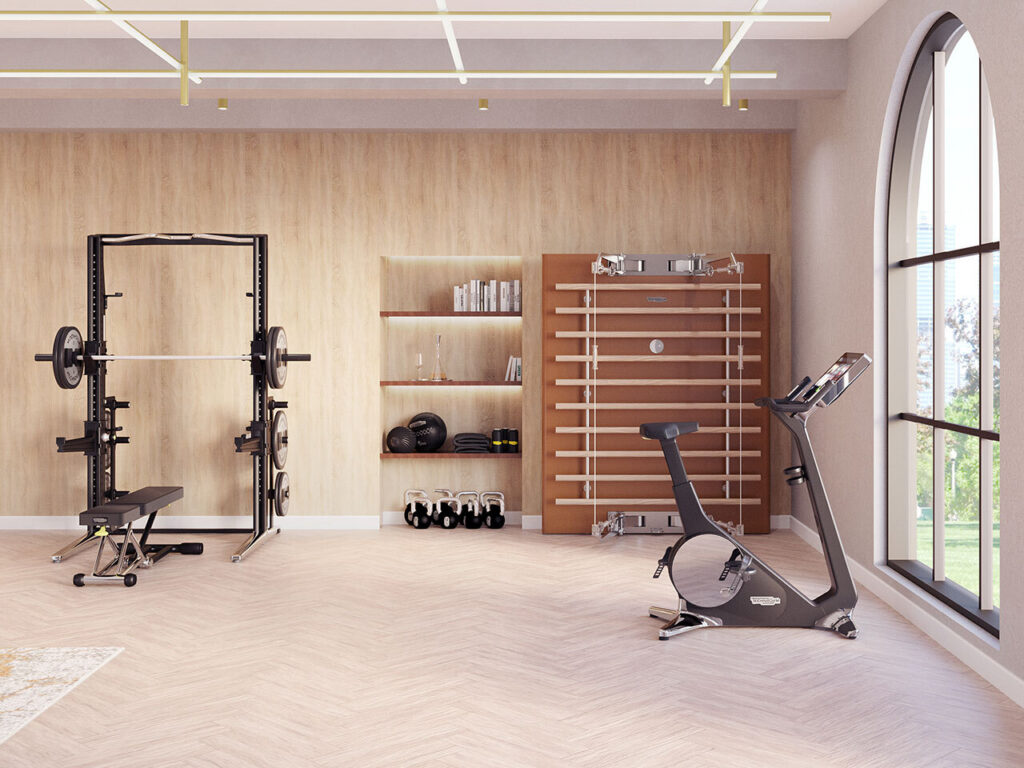
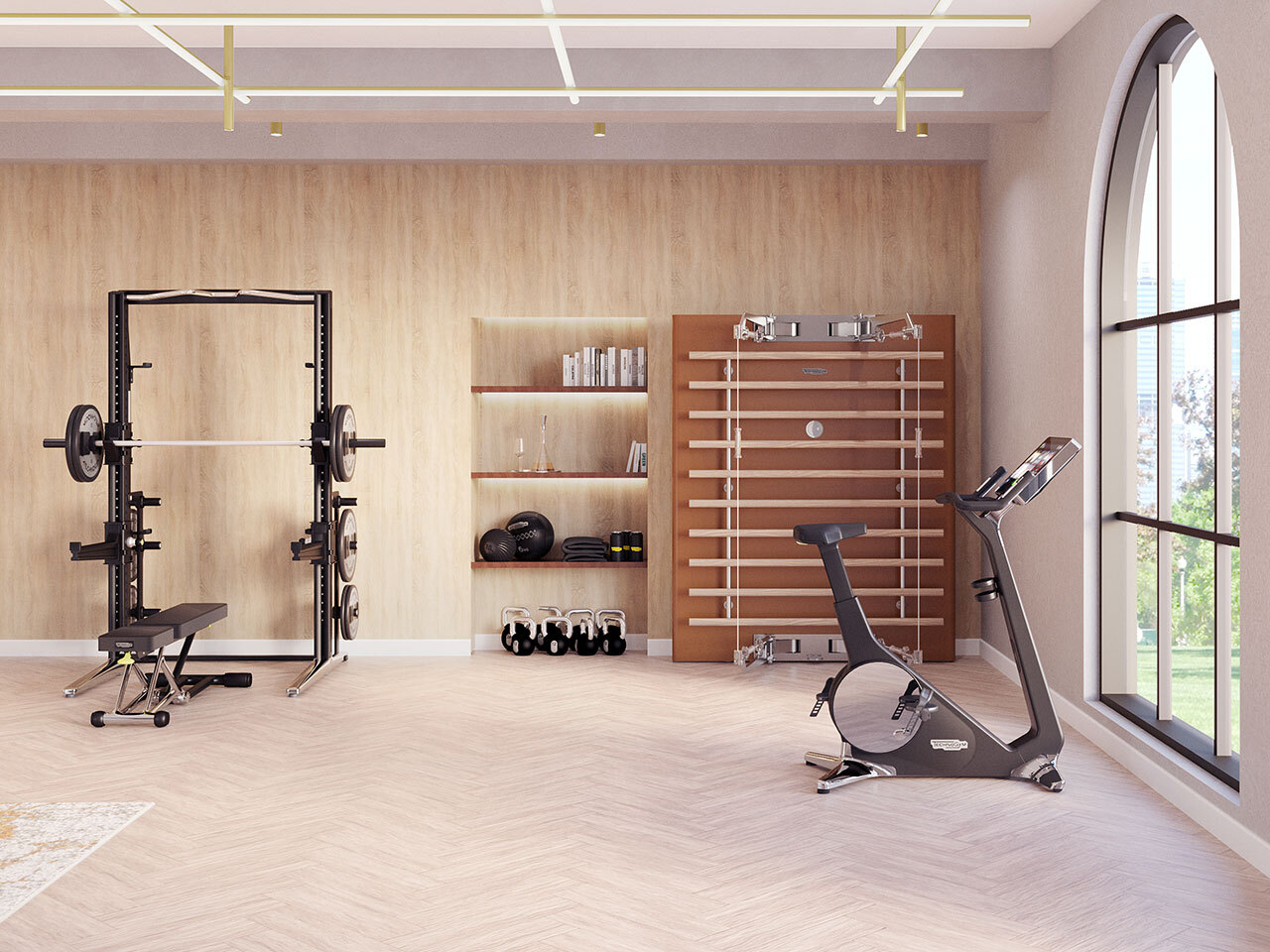
For the average individual, however, the most common hurdle is the perceived lack of time. Between long commutes and demanding office hours, the traditional gym membership often goes unused. This is where the concept of the home gym becomes a transformative solution. A home gym does not require an immediate, massive investment or a sprawling dedicated wing of a house. It begins with a simple commitment to a specific space, perhaps a quiet corner or a spare room, and the gradual acquisition of basic equipment. By integrating fitness into the domestic sphere, we remove the friction of travel and scheduling. One practical strategy for building this sanctuary is to shift our social habits; rather than requesting extravagant, fleeting gifts for special occasions, we might ask friends and family to contribute toward fitness tools that offer a lifetime of returns.
My own journey with the “iron game,” as bodybuilding is affectionately known in Kashmir, began in the 8th grade. Over the years, this path introduced me to a diverse tapestry of mentors—business leaders, educators, and athletes—who shared a common bond of discipline. The transformation was not merely physical. Beyond the muscle and the “glow” of health, the gym served as an antidote to fatigue and a vacuum for negativity. It fostered a sense of joy and vitality that permeated every other aspect of my life. This is the message I carry for the youth of today: the gym is more than a place to build a physique; it is a laboratory for character. It offers a constructive outlet that steers young people away from the scourge of drug abuse and smoking, replacing destructive habits with a pursuit of excellence and kindness.
To scale this impact, we must look toward our educational institutions. Schools should be the primary breeding ground for physical literacy, establishing mini-gym centers that introduce students to the importance of fitness early in life. At the college level, a frustrating paradox often exists where state-of-the-art facilities remain under lock and key, ostensibly to protect the equipment from wear and tear. This is a profound waste of potential. These facilities should be open and accessible, serving as hubs where students can vent the pressures of academic life and combat the rising tide of depression and anxiety through movement.
In our villages and rural heartlands, where the lack of recreational infrastructure often leads to idle hands and the subsequent rise of substance abuse, the introduction of community-driven fitness spaces is a social imperative. It is our collective responsibility to dismantle the structures that lead to societal decay and replace them with environments that celebrate health. Regular exercise is not a luxury for the elite; it is a fundamental human need. It rejuvenates the spirit, sharpens the mind, and fortifies the body against the stressors of the modern world. By fostering a culture that prizes physical discipline, we don’t just create stronger individuals; we build a healthier, more resilient nation. Exercise remains our most potent tool for happiness, a simple yet profound way to ensure that we are not just living longer, but living better.
The views expressed in this article are solely those of the author and do not necessarily reflect the opinions or views of this newspaper. The author can be reached at [email protected]
Leave a Reply