In the whole story of human life, there is a singular, unshakeable truth that transcends borders and socioeconomic status: health is the only true currency.
By Sahil Manzoor Bhatti
In the whole story of human life, there is a singular, unshakeable truth that transcends borders and socioeconomic status: health is the only true currency. It is a wealth that carries no alternative and offers no total compensation once depleted. When the physical self falters, the rhythm of life is not merely interrupted—it is fundamentally upended. We live in a state of perpetual physiological fragility, moving through a world where accidents, sudden ailments, and the sheer unpredictability of our biological futures are the only certainties. To ignore this is to live in a state of dangerous denial. No one wakes up wishing to be confined to a hospital bed; the sterile scent of wards and the rhythmic beep of monitors are universal symbols of vulnerability that most would prefer to avoid forever. Yet, as much as we strive for a life distant from the clinical confines of medical institutions, the reality remains that we cannot predict when an untoward incident will strike. Often, serious ailments brew silently within us for years, undetected until they reach a breaking point. For the people of Kashmir, this reality carries a heavier weight, shaped by the unique socioeconomic landscape of the Valley.
As a Kashmiri observer, my concern for our homeland is rooted in the lived experience of its people. We are a resilient population, yet we grapple with a level of poverty that makes high-end, private healthcare an impossibility for the many. For decades, the gold standard of treatment—institutions like AIIMS Delhi—has remained a distant dream for the average patient in Srinagar or the rural outskirts. Travel costs, lodging, and the sheer logistical nightmare of seeking frequent treatment outside the state are barriers that few can overcome. Consequently, the backbone of our society’s well-being rests firmly on the shoulders of government hospitals. This is not merely a matter of convenience; it is a matter of national importance. A nation’s development is inextricably linked to the vitality of its citizens. Without a healthy workforce and a supported populace, the dream of regional progress remains stagnant. It is within this context that we must evaluate our medical infrastructure, moving away from the era when specialized care was a luxury. Two decades ago, the health system in the Valley was a shadow of what it needed to be. While SKIMS Soura stood as a beacon of hope, it was often perceived as being out of reach for the common man. I remember the stories of families broken by the high costs of specialized care, where lives were lost not just to disease, but to the crushing weight of financial insufficiency.
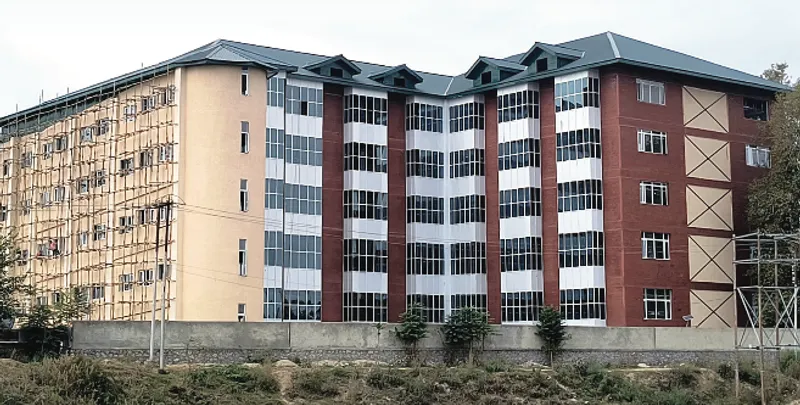
However, the narrative of healthcare in Kashmir is currently undergoing a much-needed transformation, exemplified by a recent visit I made to the Bone and Joint Hospital in Barzulla, Srinagar. I was there to visit a relative, an experience that usually brings a sense of dread. Yet, what I witnessed at the newly inaugurated 120-bedded Orthopedic Additional Block was nothing short of a revelation for our public health sector. This facility, inaugurated in July 2025 by Chief Minister Omar Abdullah and Health Minister Sakina Yatoo, represents a paradigm shift in how we approach the “architecture of healing.” The building itself is a modern marvel, standing as a testament to what is possible when government intent meets modern design. From a distance, its exterior is striking, but its true value lies in how it treats the human spirit. We often forget that a hospital’s environment is a crucial component of recovery. The aesthetic appeal of the Barzulla block does more than just beautify the city; it refreshes the weary minds of patients and their exhausted attendants. It minimizes the ambient anxiety that usually permeates such spaces, replacing it with a sense of dignity and order.
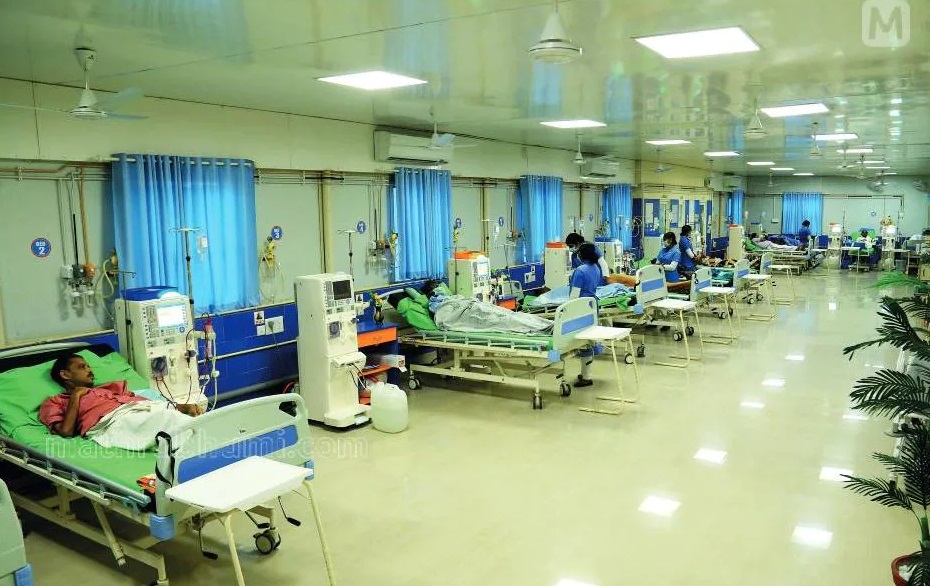
The interior of the block is a far cry from the cramped, dimly lit corridors often associated with public hospitals of the past. It is equipped with the fundamental necessities of our climate—reliable heating for our harsh winters, separate pantries for hygiene, and modern washrooms. The sophistication extends to the very beds the patients occupy, which are designed for ergonomic support, and the gleaming floors that reflect a new standard of cleanliness. Seeing this, one cannot help but wish that this model becomes the blueprint for every medical department in the Valley. Our major institutions, such as the Lala Ded (LD) Maternity Hospital and the Shri Maharaja Hari Singh (SMHS) Hospital, deserve the same level of architectural and functional rejuvenation. Yet, with this progress comes a significant responsibility.
The “newness” of a facility is a fleeting quality unless it is met with rigorous maintenance and a culture of respect. It is a humble but urgent request to every citizen—the attendants who walk these halls, the patients who seek refuge here, and the staff who work the front lines—to treat these facilities as our own. We must cooperate with hospital administrations to ensure these spaces remain pristine. The time is fast approaching when we must collectively recognize that a hospital is not just a building, but a sanctuary of service. By focusing on maintaining these standards and prioritizing the quality of care over petty grievances, we ensure that the wealth of health remains accessible to every Kashmiri, regardless of the balance in their bank account. Through this modern lens, Barzulla isn’t just a hospital; it is a promise of a healthier, more resilient future for the Valley.
The views expressed in this article are solely those of the author and do not necessarily reflect the opinions or views of this newspaper
Leave a Reply