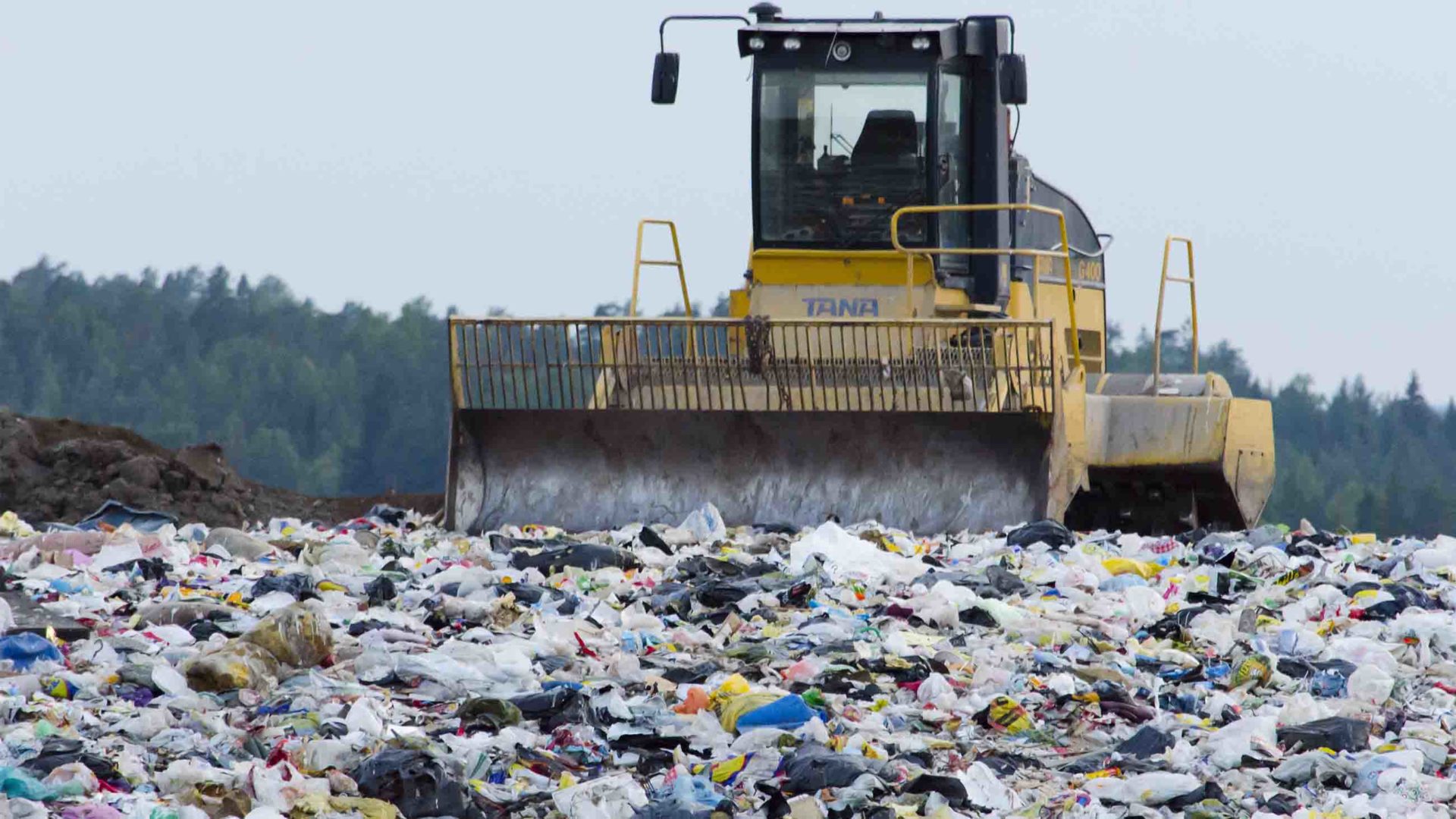
Humanity is on track to triple its daily waste by the end of the century. From toxic fumes to poisoned rivers, explore why our “throwaway” culture is reaching a breaking point, and how we can turn trash into a lifeline.
By Mool Raj
The mounting global waste crisis is no longer a distant environmental warning; it is a visible, stinking reality that threatens our collective health and the ecological integrity of our planet. As populations swell and consumption habits shift toward the disposable, the world is drowning in its own refuse. According to a staggering report in the journal Nature, solid waste generation is assuming terrifying proportions. By the turn of this century, the global community is projected to generate 11 million tons of garbage daily, a three-fold increase from current rates. In India alone, the annual output has hit roughly 48 million tons, growing at a steady 2 percent each year. More distressing than the volume itself is the management of it: more than half of this waste remains entirely untreated, left to fester in open air or clog vital waterways.
Garbage pollution is not a localized failure or the burden of a single nation; it is a global self-inflicted disaster. At its core, the crisis stems from the careless disposal of household and industrial waste, leading to the creation of unregulated “garbage heaps” that pockmark our urban and rural landscapes. This pollution occurs when civic waste is littered in non-designated areas or when municipal systems fail to transport refuse to proper landfill sites. Historically, waste was largely organic scraps that returned to the earth. In India, traditional life relied on pottery for liquids and jute for transport, materials that lived and died with the seasons. However, the relentless pace of modern development has replaced these biodegradable staples with chemical-laden synthetics and plastic. While plastic is technically recyclable, the lack of a standardized, accessible system for collection means it remains a permanent scar on the environment.
The consequences of this mismanagement are multifaceted, poisoning the very elements we need to survive. When garbage is dumped in open spaces, it becomes a breeding ground for disease. Rotting trash emits foul odors and provides a fertile habitat for mosquitoes, flies, and rodents, which act as vectors for a myriad of illnesses. Furthermore, the leaching of industrial and household toxins into groundwater and rivers has decimated water quality. The air we breathe fares no better. In many developing nations, including India, Pakistan, and China, the default solution for overflowing landfills is combustion. Burning everything from plastic bottles to electronic waste releases a cocktail of toxic gases, including carbon dioxide and carbon monoxide. Perhaps most insidious are the micro-particles or particulate matter toxins so minute they bypass the body’s natural filters, entering the bloodstream through respiration and causing irreversible damage to the lungs and heart.
Despite the grim statistics, the narrative of waste is not one of inevitable doom, but of a desperate need for a paradigm shift. Change is a constant in human history, and our survival now depends on our ability to adapt our waste systems. Many developed nations have already pivoted, viewing waste not as a liability, but as a resource. The “3Rs” Reduce, Reuse, Recycle—have become the cornerstone of this transition. By treating garbage as a raw material for energy and new products, these countries have successfully decoupled economic growth from environmental degradation. Sweden stands as the gold standard in this regard, recycling or reusing 47 percent of its waste and converting another 50 percent into fuel for energy production. A mere 3 percent of their total waste ends up in landfills. This success is underpinned by strict regulations, such as bans on organic and inflammable materials in dumping sites, ensuring that poisonous substances do not leak into the biosphere.
Innovative “waste-as-currency” models are also gaining traction globally, proving that economic incentives can drive civic duty. In Surabaya, passengers pay for transport by trading in recyclable products, earning free travel in exchange for their plastic. Beijing has introduced ticket machines that accept plastic bottles as payment for bus fares, while Istanbul allows citizens to top up their metro cards with waste credits. Germany has long incentivized its population with a 25-cent refund for every plastic bottle returned. These examples highlight a crucial truth: when garbage becomes a source of income or a tangible benefit, the infrastructure for its treatment strengthens naturally.
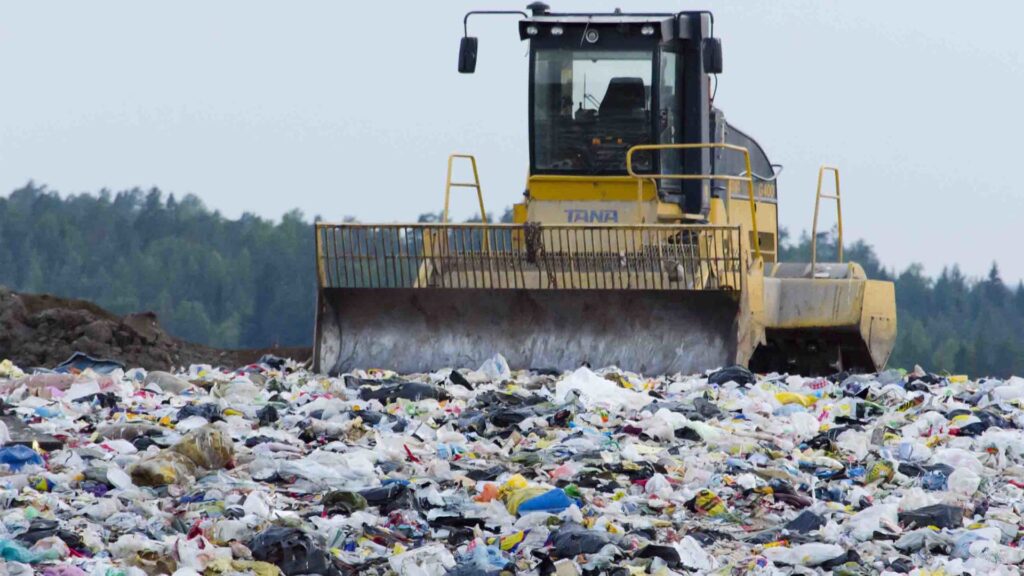
For India to overcome its ineffective disposal systems, foul-smelling gutters, and littered streets, it must adopt these global best practices. The government must move beyond rhetoric and implement strict regulations regarding dumping, while simultaneously investing in modern treatment technologies. This is not a task for the state alone; professionals in environmental engineering and urban planning must be integrated into the national strategy to modernize the landscape. Awareness campaigns are vital to educate the public on the hazards of pollution, but they must be backed by accountability. Authorities must ensure that those responsible for urban sanitation are performing their duties with honesty and precision.
Ultimately, the solution to the garbage crisis requires an honest look in the mirror. We must rethink our lifestyles and curb the impulse toward mindless consumption and careless disposal. It is our collective responsibility to reduce the waste we generate and ensure that what we do discard is placed where it can be managed. The time for passivity has passed. As the saying goes, “Garbage doesn’t talk, but it says a lot about us.” It speaks of our values, our foresight, and our respect for the generations to come. To make our country and our world garbage-free, we must act with the urgency that an 11-million-ton-a-day future demands. Proper waste management is no longer a civic amenity; it is a prerequisite for a civilized and healthy existence.
The views expressed in this article are solely those of the author and do not necessarily reflect the opinions or views of this newspaper
Leave a Reply