By Safdar Gazi Lone
Invasive alien species, alternatively termed invasive exotic species or non-native species, refer to organisms that have been introduced to regions or ecosystems beyond their native range, where they establish self-sustaining populations. This introduction often results in these species outcompeting their native counterparts, thereby disrupting the delicate balance of ecosystems and giving rise to a myriad of detrimental impacts.
In the picturesque landscape of the Kashmir Himalaya, a comprehensive inventory has identified a total of 571 plant species, among which 96 are categorized as invasive within the alien flora. Stinking chamomile (Anthemis cotula), originating in Eurasia, exemplifies the invasive traits of an annual weed that was initially detected in the region in 1972 and has since earned the reputation as one of the most formidable invaders.
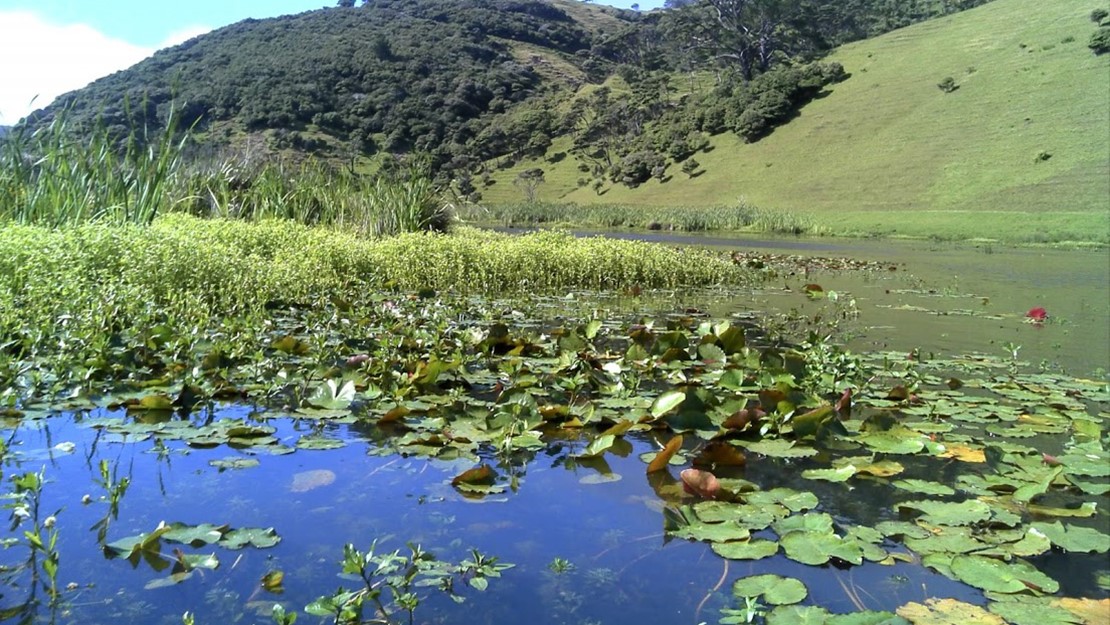
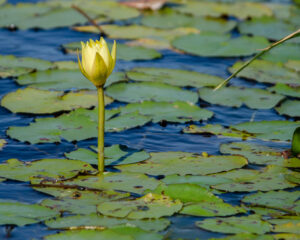
Dal Lake bears witness to the unchecked proliferation of the Mexican water lily (Nymphaea mexicana), showcasing invasive characteristics through its relentless and rapid growth rate. Meanwhile, Leucanthemum vulgare, commonly known as the ox-eye daisy and introduced in the 1950s-1960s, has encroached upon substantial expanses of Gulmarg and other meadows, thereby overshadowing the rich diversity of the native flora.
A substantial proportion of alien plant species in this region can be traced back to Europe (38%), followed by Asia (27%) and Africa (15%). This study highlights the first-time occurrence of seven plant species in the Kashmir Himalaya, underscoring the evolving nature of the region’s ecological dynamics.
On a global scale, water hyacinth stands out as the most pervasive invasive alien species on land, closely followed by Lantana and the black rat. The brown rat and house mouse, too, assert their dominance as pervasive invaders.
Various factors contribute to the rise of invasive species, with globalization of trade and travel playing a pivotal role. The inadvertent transportation of species across borders through cargo ships, airplanes, and vehicles, whether attached to surfaces or within cargo or ballast water, facilitates their unintentional spread.
Climate change further exacerbates the situation, as elevated temperatures and shifts in precipitation patterns create environments conducive to the colonization and proliferation of invasive species.
In response to this ecological challenge, early detection and removal are deemed crucial when invasive alien species are unintentionally introduced. Swift and decisive measures, such as the destruction of plants, are imperative to prevent their further spread.
In cases where invasive populations have reached uncontrollable proportions, effective control strategies must be implemented to curtail their spread and mitigate their impact on native ecosystems.
A historical example that illustrates the unintended consequences of invasive species is the introduction of the Black Rat to Australia in the late 1800s, facilitated by shipwrecks and the pearling industry. This instance underscores the urgent need for comprehensive and effective measures against the unchecked proliferation of invasive species.
The views expressed in this article are solely those of the author and do not necessarily reflect the opinions or views of this newspaper. The author can be reached at [email protected]