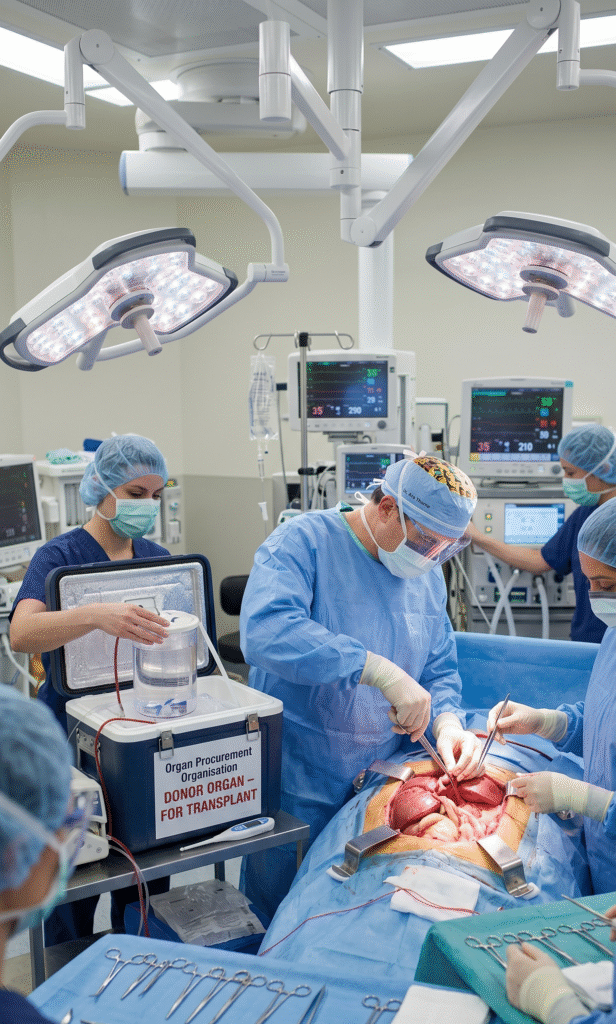
While medical technology has advanced rapidly, the shortage of available organs remains a critical challenge. Every new pledge represents a vital bridge between a terminal diagnosis and a miraculous recovery.
By Ajaz Rashid
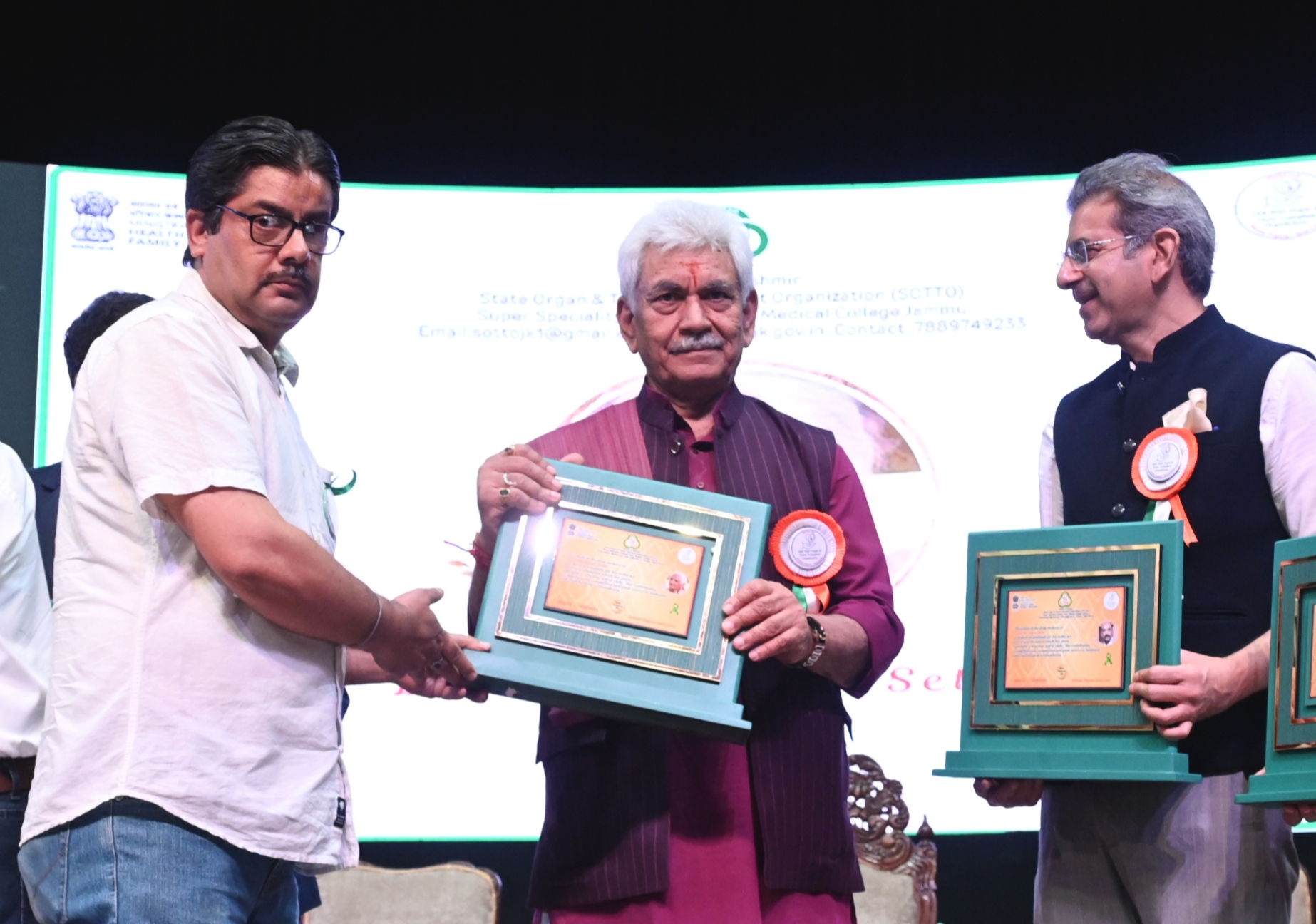
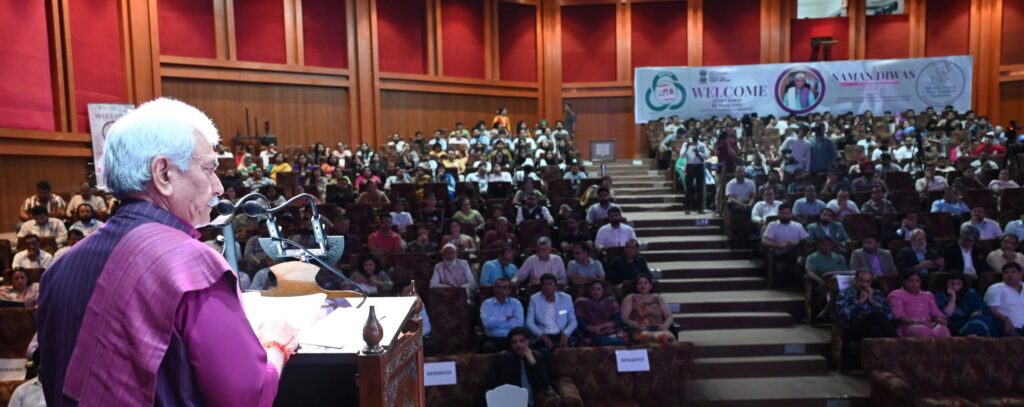
In the quiet corridors of the Jammu convention center this past Sunday, the air was thick not with the somber notes of mourning, but with a profound, almost electric sense of gratitude. It was ‘Naman Diwas’, a day specifically carved out of the calendar to honor those who, in their final moments, chose to become the architects of someone else’s future.
Lieutenant Governor Shri Manoj Sinha stood before a gathering of families, people who had lost children, spouses, and parents and offered a tribute that transcended official protocol.
“Because of you, someone is able to read today. Because of you, someone is seeing the colors of the world for the very first time. Because of you, someone is experiencing hope, freedom, and joy anew,” the Lieutenant Governor remarked, his voice echoing the collective sentiment of a region beginning to embrace the “noblest and most sacred act” of humanity.
A Growing Movement in the City of Temples
The timing of the event is significant. As of April 2026, India’s organ donation landscape is undergoing a seismic shift. Recent data from the National Organ and Tissue Transplant Organisation (NOTTO) reveals that the national waitlist for major organs stood at nearly 90,000 as of March 2026. While the numbers are daunting, the momentum is undeniable. In 2025 alone, India performed over 20,019 organ transplants, a staggering fourfold increase from a decade ago.
In Jammu and Kashmir, this movement has found a dedicated engine in the State Organ and Tissue Transplant Organisation (SOTTO J&K). LG Sinha lauded the team’s “deep commitment,” noting that their work in training medical professionals to sensitively identify brain-dead cases and collaborating with NGOs has transformed organ donation from a clinical procedure into a “movement of compassion.”
The Heroes Among Us
While the medical community often speaks in statistics, ‘Naman Diwas’ focused on the human stories behind the data. The LG specifically highlighted cornea and kidney donors as the “true role models and heroes of our society.”
The impact of these specific donations is immediate and transformative:
- Cornea Donation: Restores sight to those living in bilateral blindness, often caused by injury or infection.
- Kidney Donation: Frees patients from the grueling cycle of dialysis, offering them a chance at a normal, productive life.
“In life, we often ask what humanity’s greatest gift is?” the LG mused. “Across centuries, philosophers, poets, and thinkers have arrived at the same truth: the measure of life is not in what we accumulate, but in what we give. Those we honor today have given the most precious gift of all—the gift of organs, the gift that sustains life itself.”
The Reality of Shortage
Despite the record-breaking 18,900 transplants in 2024 and the surge to over 20,000 in 2025, India’s organ donation rate remains below 1% per million population (pmp). To put this in perspective, countries like Spain boast rates over 35 pmp.
| Organ Type | Estimated Annual Requirement (India) | Current Waitlist (March 2026) |
| Kidney | 250,000 | 63,000+ |
| Liver | 80,000 | 22,000+ |
| Heart | 50,000 | 5,000+ |
| Cornea | 100,000 | (Varies by State) |
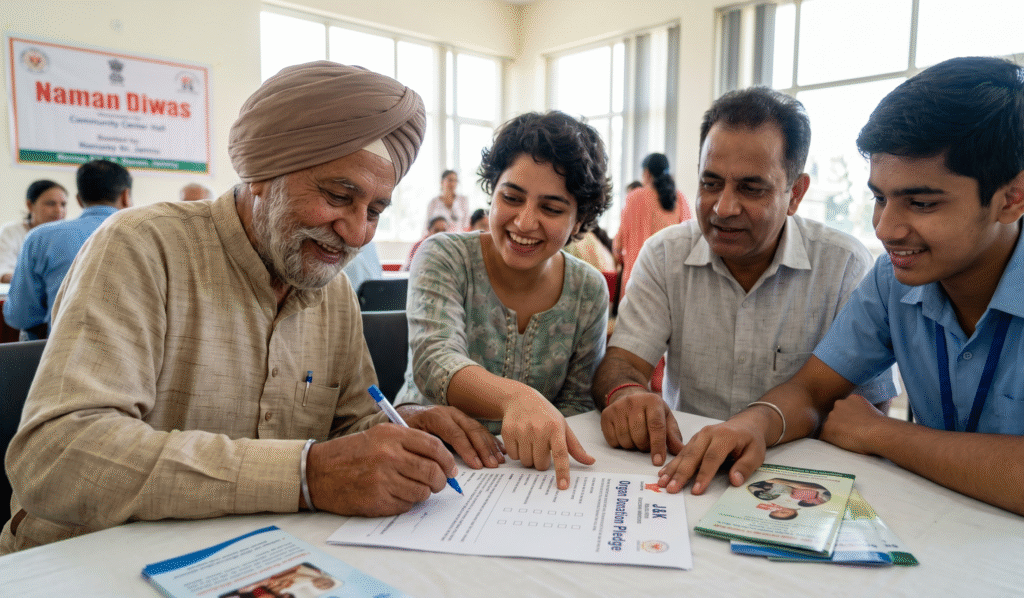
This gap represents thousands of lives hanging in the balance. It is why LG Sinha’s appeal was not just a suggestion, but a call to arms for the spirit. “I appeal to every citizen to take the pledge for organ donation today,” he urged, reminding the public that he himself registered on the Ayushman Bharat Organ Donation Registry last year.
Faith and Tradition
One of the most significant hurdles in J&K, and indeed across India, has been a web of cultural and religious hesitations. Families often worry that organ donation might violate the sanctity of the body or conflict with spiritual beliefs.
The Lieutenant Governor addressed these concerns head-on, framing donation as a culmination of traditional virtues rather than a departure from them.
“To those who hesitate due to cultural or religious concerns, I wish to remind you that our traditions affirm the sanctity of life and the virtue of selfless giving. Speak to any spiritual guide, family members, and community elders and you will find that this gift of life is not only respected across faiths but celebrated as a blessing.”
He emphasized that through cornea donation, a person whose “earthly journey has ended” can still witness the joy of a child’s smile or a sunrise through the eyes of another.
The Lieutenant Governor’s vision for SOTTO J&K is expansive. He has directed the organization to permeate every facet of society—from social networks and community meetings to schools, colleges, and places of worship.
The strategy is clear: Normalization. By making organ donation a household conversation, the fear of the unknown is replaced by the pride of the extraordinary.
“Let society remember that each one of us is a potential donor,” Sinha said. “Each one of us holds the extraordinary power to save lives even after we are gone.”
The Value of the Gift
As the event concluded, a poignant truth remained. The government can issue certificates, and institutions can hold ceremonies, but as LG Sinha noted with “great responsibility,” no award can ever truly capture the value of the gift.
For the families in attendance, the ‘Naman’ (salutation) they received wasn’t just for their loss, but for their courage. They are the pioneers of a new culture in Jammu and Kashmir—one where the end of one life becomes the miraculous beginning of several others.
In a world often obsessed with what we can take, ‘Naman Diwas’ served as a powerful reminder that our lasting legacy is defined by what we leave behind—not in bank accounts, but in the heartbeats and vision of those we never even met.
Leave a Reply