The vibrant celebration at Berigam during the annual Urs festival brings communities together in a harmonious blend of faith, culture, and tradition. The socio-cultural significance of this event lies in its ability to unite hearts and foster a spirit of brotherhood in the picturesque Kashmir Valley.
By Rayees Ahmad Kumar
Numerous historians and scholars have unveiled substantial insights into the longstanding presence of Islam in the region of Kashmir since ancient times. Even during the era of the Prophet, certain devout companions, serving as special emissaries, graced the area with their presence, illuminating the hearts and minds of the people. Raja Wanadata, deeply impressed by their teachings, generously distributed a tenth of his agricultural yield among the impoverished and destitute.
However, it was Hazrat Bulbul Shah (RA) who is credited as the first saint to sow the seeds of Islam in Kashmir. While some historians suggest his origin from Samarqand and others from Bukhara, the prevailing belief aligns with his roots in Turkistan. In the past, Kashmir stood as a predominantly non-Muslim territory, adhering to non-Muslim practices and primarily inhabited by Hindus. The advent of Islam, whether perceived as divine intervention or happenstance, brought about a transformative impact on the lives of the Kashmiri populace.
Syed Sharafuddin Abdul Rehman Bulbul played a pivotal role in solidifying the societal transformation initiated by Hazrat Bulbul Shah. Historical records indicate a significant number of people in Kashmir embracing the teachings of Bulbul Shah. Following this esteemed saint, Hazrat Mir Syed Ali Hamadani (R.A), a Sufi of the Kubrawi order hailing from Hamadan in Central Asia, accompanied by 700 Sayyids, arrived in Kashmir to enlighten the masses about Islam and its practical aspects through his teachings.
Born into an educationally affluent Shafi’i Muslim family in 1314 AD at Hamadan, Hazrat Mir Syed Ali Hamadani visited Kashmir thrice with the noble mission of spreading the Islamic faith. His efforts, along with those of other Sayyids, left a lasting impact on the region. Notable among them was Syed Dawood Simnania RA, a descendant of Prophet Muhammad (pbuh), who settled in the village of Berigam in Qazigund area to enlighten the masses with Islamic teachings. His regular sermons drew crowds from nearby villages, prompting a land-sharing arrangement with the Kumar family to accommodate the growing assembly.
The annual urs of Syed Dawood Simnania RA, celebrated on the 7th day of the Islamic lunar month in November, holds deep significance for the villagers, evolving into a socio-cultural event. Folk theatre performances, traditional snacks, and familial gatherings during this occasion have become ingrained in the cultural fabric of the community.
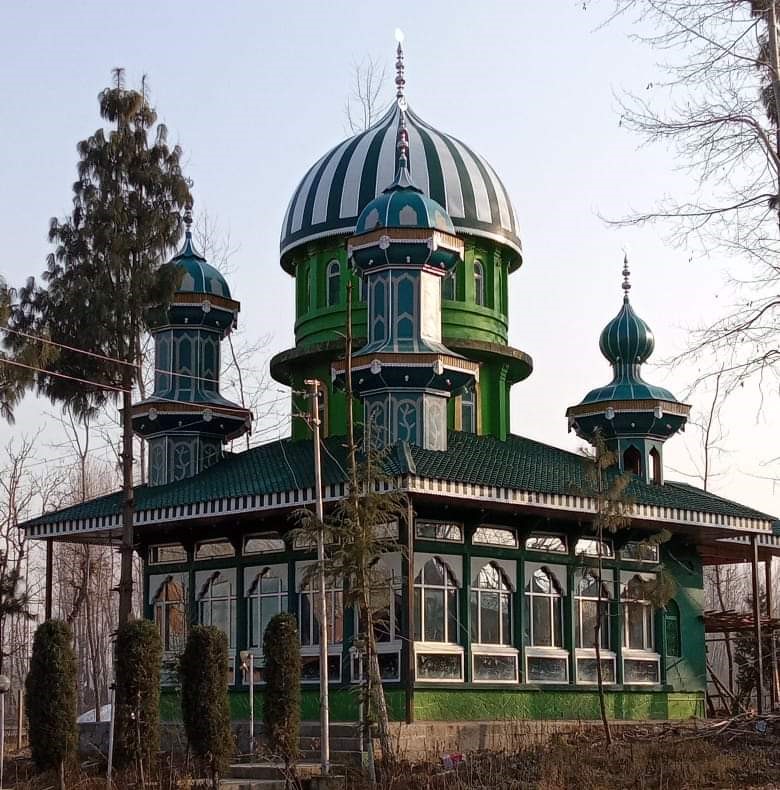
This sacred and cultural gathering fosters love, respect, brotherhood, and spirituality among the attendees, mitigating feelings of hatred, avarice, greed, and malice. The celebration aligns with the teachings of Prophet Muhammad (pbuh), who would annually visit the graves of Uhad Martyrs. Scholarly works affirm the legitimacy of urs celebrations at the tombs of revered saints, emphasizing the enduring impact of saints even in their graves.
As Maulana Rumi asserted, “A saint even in his grave can benefit you more than thousands of living men,” echoing the sentiment that the spiritual influence of saints transcends physical existence. Similarly, Iqbal emphasized the spiritual significance of saints’ abodes. Lord Curzon acknowledged the enduring influence of Hazrat Khwaja Moinuddin Chisti RA over the minds and hearts of millions of Indians.
During the annual urs, special prayers are conducted for the well-being of humanity and the Muslim ummah. The night-long congregational prayers attract locals and individuals from neighboring areas, seeking repentance and divine favor. The best homage to these pious saints lies in adopting their teachings, as they dedicated their lives to inviting people to the right path and discouraging un-Islamic practices.
May Almighty Allah reward these saints for their noble deeds, may their pious souls rest in ultimate peace, and may He grant us the strength to follow their teachings in letter and spirit.
Leave a Reply