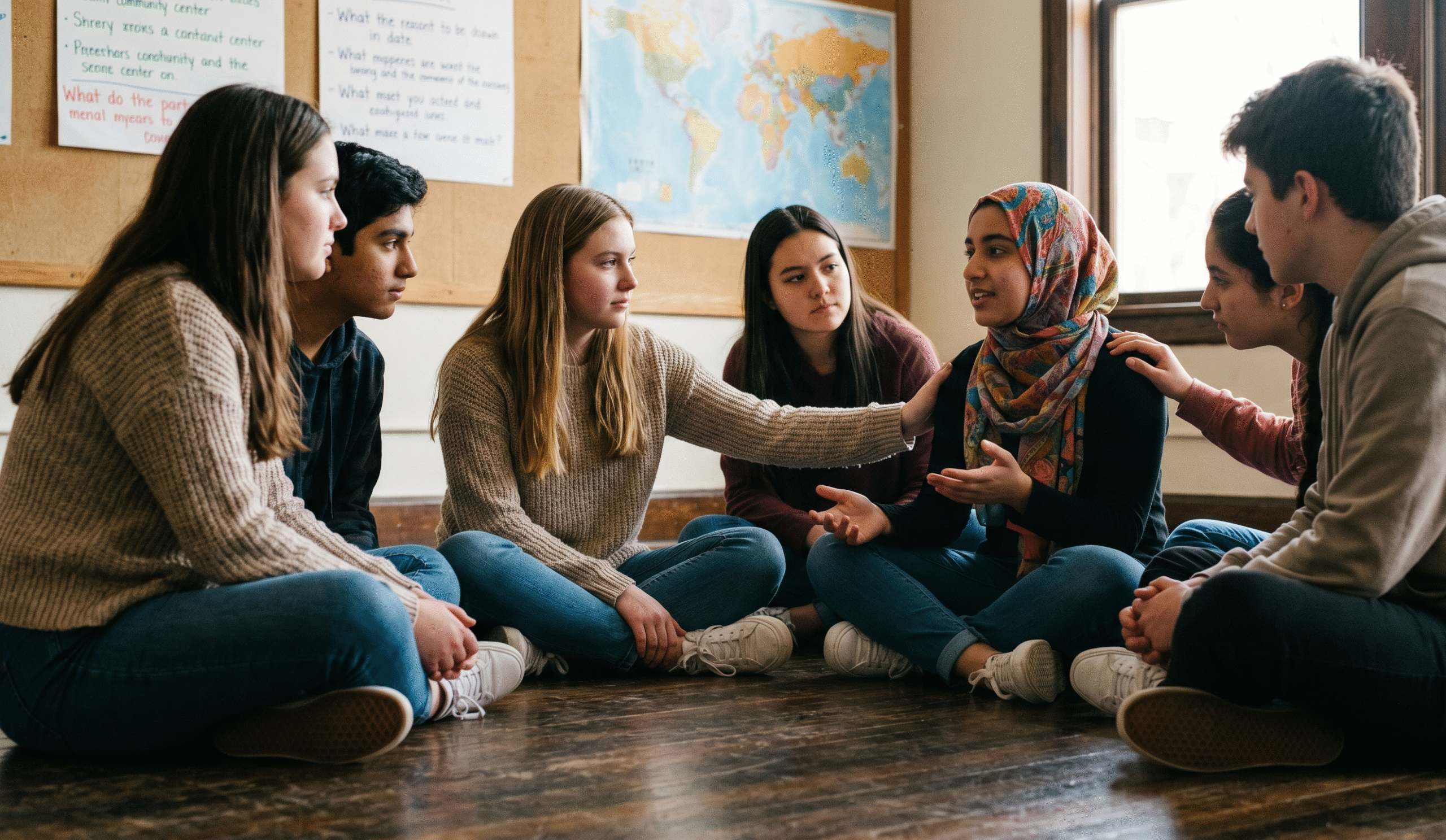
By fostering a “critical mind,” education allows students to dismantle the biases that fuel aggression. It replaces reactionary fear with the analytical tools necessary to navigate a complex, diverse world.
By Mool Raj
In an era where headlines are too often dominated by the shadows of conflict, war, and systemic injustice, the search for a sustainable “global reset” has never been more urgent. While political treaties and ceasefires provide the necessary pauses in hostility, they often address only the symptoms of human discord. To find the cure, we must look toward the classroom. Education is not merely a ladder for economic mobility; it is the primary architecture of a peaceful future, serving as the most effective tool we possess to break the cycle of violence.
Historically, the embers of conflict have been fanned by the winds of ignorance and prejudice. When individuals lack a comprehensive understanding of the “other,” fear takes root, and fear is the traditional precursor to aggression. However, modern education is evolving. It is shifting from a simple delivery of facts to a transformative process that reshapes mindsets, fosters deep empathy, and equips the next generation with the cognitive tools to choose dialogue over destruction.
The first line of defense against violence is critical thinking. At its core, education teaches individuals how to evaluate information, question biases, and recognize propaganda. In a world plagued by misinformation, the ability to analyze complex issues is a superpower.
When students learn to deconstruct the narratives that fuel “us vs. them” mentalities, they become resilient to radicalization and manipulation. Education provides the intellectual framework to understand that diversity is not a threat to be managed, but a resource to be celebrated. By embracing a variety of cultural, religious, and historical perspectives, learners develop a “global literacy” that reduces the likelihood of conflict before it even begins.
The effectiveness of this approach is not merely theoretical. Around the world, schools that have integrated peace education programs into their core curricula have seen measurable results. These initiatives do more than just teach history; they teach the mechanics of human interaction.
- Conflict Resolution: Students are taught how to navigate disputes through negotiation rather than physical or verbal aggression.
- Problem-Solving: By viewing disputes as problems to be solved together rather than battles to be won, students develop a collaborative spirit.
- Emotional Intelligence: Understanding one’s own emotions is the first step in recognizing the humanity in others.
In our increasingly interconnected and globalized world, educational institutions are uniquely positioned to act as bridges. Inclusive curricula that highlight shared human values—rather than just the wars that divided us—allow students to appreciate differences.
One of the most profound tools in the modern classroom is the sharing of personal narratives. In collaborative learning environments, students from varied backgrounds are encouraged to share their lived experiences. This process transcends storytelling; it creates an emotional resonance that dismantles stereotypes. When a student hears the personal history of a peer from a different culture or religion, the “stranger” becomes a person, and prejudice begins to dissolve.
“When we listen to each other’s stories, we recognize the common humanity that transcends superficial differences.”
To achieve long-term stability, we must address the root causes of violence: poverty and inequality. Education is the ultimate equalizer. By providing marginalized communities with access to high-quality learning, we empower individuals to break free from the cycles of despair and exclusion that often lead to social unrest.
When people have the tools to advocate for their own rights and the skills to participate in the global economy, the desperation that fuels violence is replaced by the hope of opportunity. Education fosters social cohesion, ensuring that every member of society feels they have a stake in a peaceful future.
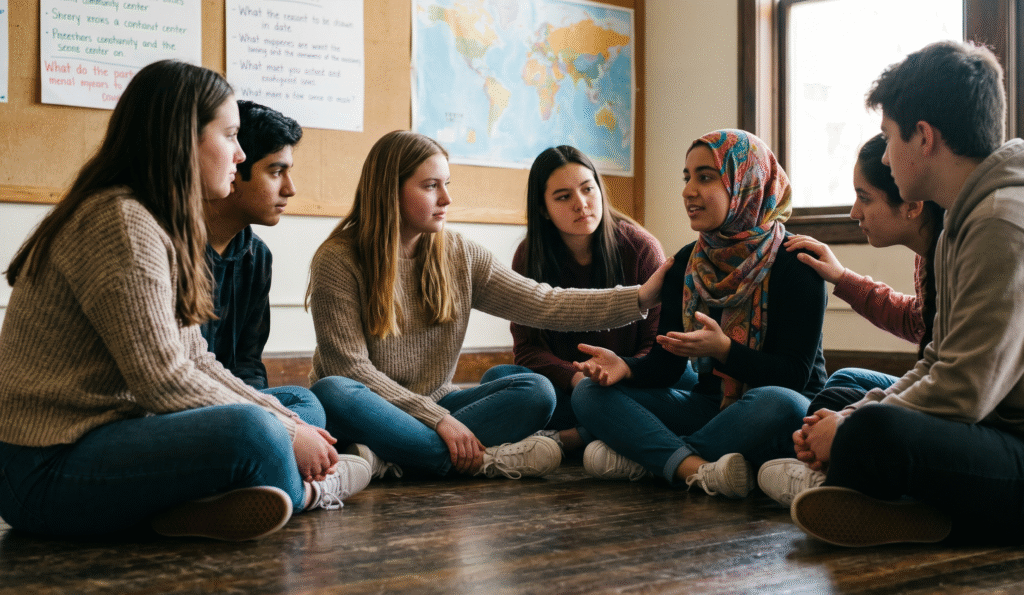
The ripple effect of a peace-based education transcends generations. By prioritizing inclusivity and ethical reasoning, educational institutions are cultivating a new breed of leaders. These are individuals who will enter the worlds of business, law, and politics with a foundational belief in diplomacy over warfare.
However, the path to this future requires intentionality. Educators and facilitators must work to create safe, “brave” spaces where all voices are valued equally. It is through this commitment to inclusive dialogue that we can ensure certain perspectives aren’t privileged over others, truly democratizing the pursuit of peace.
The role of education in shaping a harmonious world cannot be overstated. It is a fundamental tool for social transformation, turning potential battlegrounds into platforms for reconciliation. As we look toward the future, investing in education must be viewed not just as a social service, but as a strategic necessity for global security.
By nurturing a culture of peace within our schools today, we are ensuring a more stable, equitable, and compassionate world tomorrow. Education is the light that dispels the shadows of prejudice, and in its warmth, the seeds of a lasting peace can finally take root.
The views expressed in this article are solely those of the author and do not necessarily reflect the opinions or views of this newspaper
Leave a Reply