In 1996, a family’s desperate search for a diagnosis took them from the diagnostic vacuum of Srinagar to the busy clinics of Amritsar. What they found wasn’t just a medical answer, but a sobering look at the hidden commercial interests that shape the world of healthcare.
By Syed Majid Gilani
In the mid-1990s, the healthcare landscape of Jammu and Kashmir was defined by a profound diagnostic vacuum, where seeking specialized care often meant embarking on an arduous pilgrimage beyond the mountains. My father, Syed Iftikhar Gilani, was then in his mid-forties, a man of resilience who suddenly found himself sidelined by a persistent, gnawing pain in his back and leg. What we initially dismissed as the fatigue of a dedicated professional soon spiraled into a debilitating condition that robbed him of sleep. At that time, the Valley’s medical infrastructure was heavily reliant on basic X-rays; the sophisticated clarity of Magnetic Resonance Imaging (MRI) was a distant luxury not yet available in local hospitals. We moved through a cycle of consultations with top orthopedic and neurosurgeons in Srinagar, receiving temporary relief through painkillers that merely masked a hidden problem. It was only when a perceptive doctor recommended an MRI in Amritsar that our journey for healing truly began.
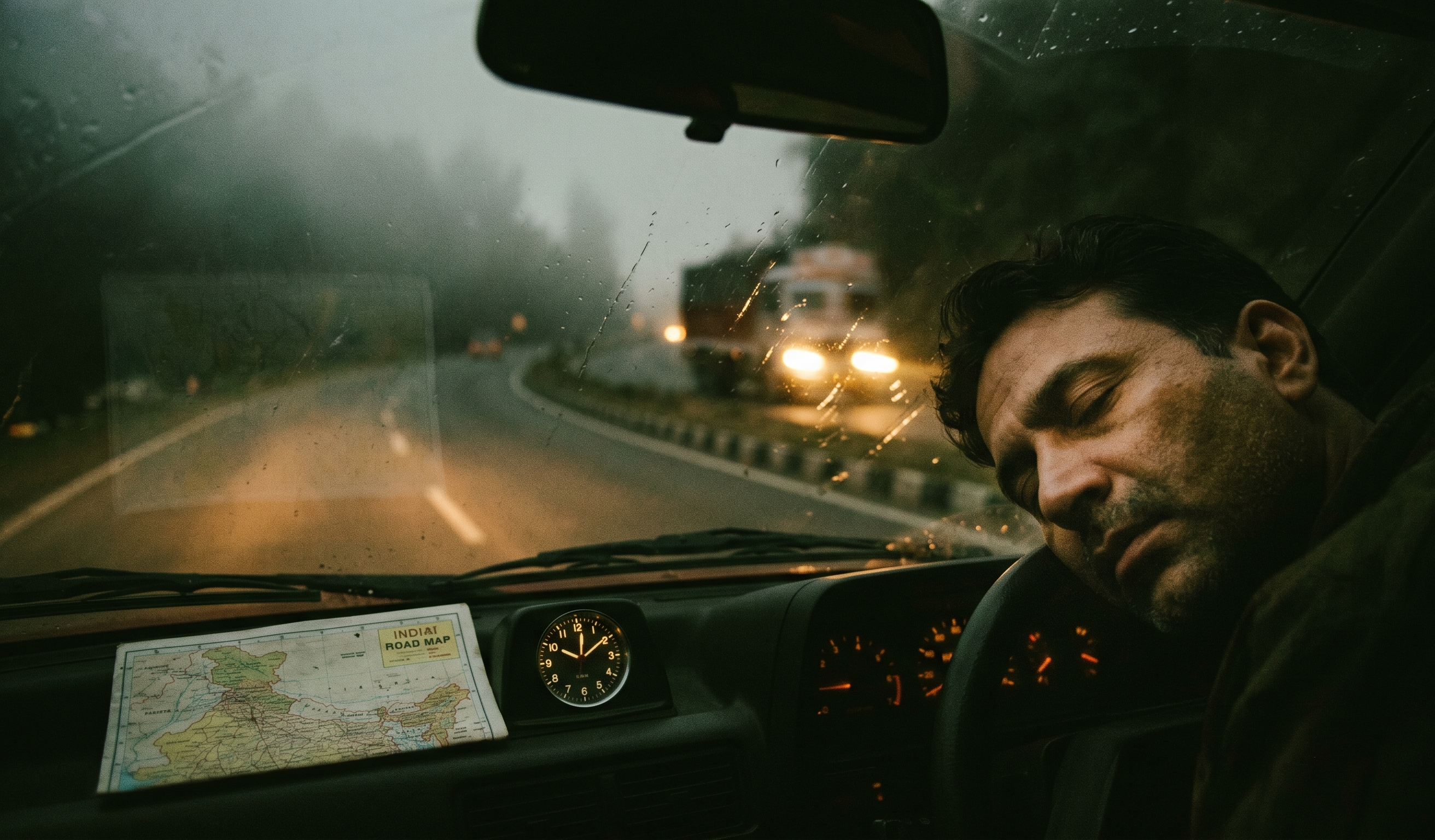
The journey itself was a grueling test of endurance. Along with my mamaji, I accompanied my father on a multi-stage trek: leaving Srinagar at dawn, traversing the treacherous highway to Jammu by evening, and pushing through the night to reach Amritsar the following day. We arrived exhausted but hopeful at a private facility that offered the rare efficiency of a same-day appointment. The scan was conducted with meticulous care, and eventually, we were summoned to the reception for the results. The bill was Rs. 5,000, a staggering sum in 1996, equivalent to nearly Rs. 40,000 today when adjusted for inflation. While we were prepared to pay any price for my father’s health, a moment of clerical confusion at the desk pulled back the curtain on the commercial mechanics of medicine. The receptionist, puzzled by the two different referral names on our prescriptions, candidly revealed that the “direct” cost of the scan was only Rs. 3,500. The additional Rs. 1,500 was a built-in “referral fee” intended for the pocket of the recommending physician back home. This revelation was a sobering introduction to the “kickback” culture that has long shadowed the noble profession of medicine.
Fast forward to 2026, and the transformation of Jammu and Kashmir’s healthcare sector is nothing short of revolutionary. The days of traveling to Punjab for a basic MRI are largely over. Under modern initiatives like the Prime Minister’s Development Package (PMDP) and the massive expansion of the Government Medical Colleges (GMCs), high-end diagnostic infrastructure including 3-Tesla MRI machines and PET scans is now integrated into the public health system within the Valley. Furthermore, the universal coverage provided by the Ayushman Bharat PM-JAY SEHAT scheme has fundamentally changed how families manage costs, providing a safety net of Rs. 5 lakh per family that effectively removes the “financial hesitation” we felt three decades ago.
While the MRI in 1996 thankfully revealed only minor nerve compression, the experience left a lasting imprint on my journalistic consciousness. It highlighted the delicate, often strained balance between the altruistic duty of a healer and the cold calculations of a commercial framework. Today, while we celebrate technological leaps and better access, that quiet reflection from the Amritsar reception desk remains relevant: true progress in healthcare is measured not just by the availability of machines, but by the transparency and integrity of the system that operates them. My father’s recovery was a blessing, but the journey taught us that healing is as much about understanding the system as it is about treating the symptoms.
The views expressed in this article are solely those of the author and do not necessarily reflect the opinions or views of this newspaper. The author can be reached at [email protected]
Leave a Reply