Despite a 50:50 gender ratio worldwide, the positions and opportunities available to men and women in society are not equal, whether in developed or developing countries.
By Afreen Manzoor
“If you want something said, ask a man; if you want something done, ask a woman,” said Margaret Thatcher, a prominent figure in politics. These words highlight the importance of women’s empowerment, which involves breaking stereotypes and overcoming social stigmas. Empowering women means recognizing their self-worth, abilities, and the need to eliminate discrimination against them. From Second-Class Citizens to Agents of Change
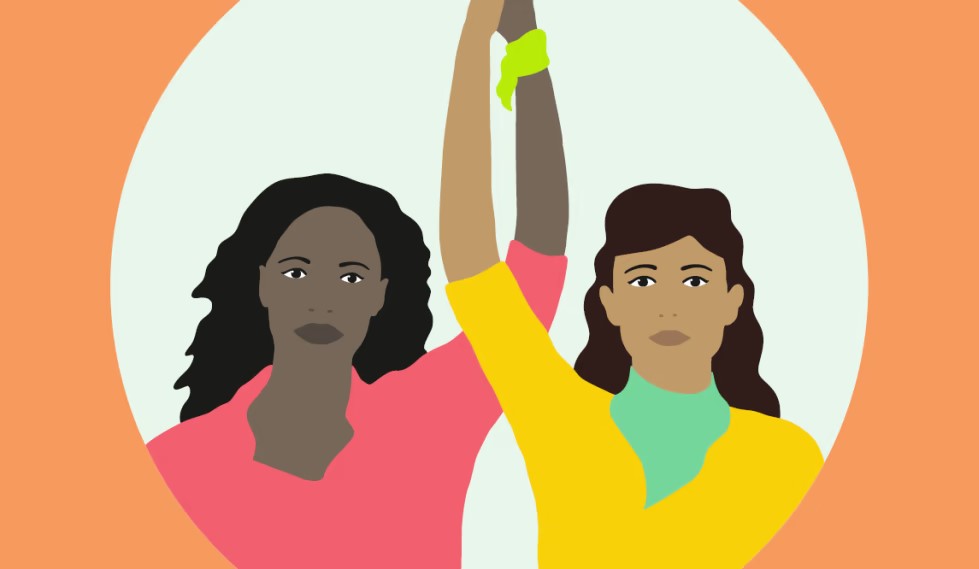
Despite a 50:50 gender ratio worldwide, the positions and opportunities available to men and women in society are not equal, whether in developed or developing countries. Women’s empowerment also entails raising awareness among women about their legal and fundamental rights. In the past, women were considered second-class citizens and were denied even the right to vote. New Zealand paved the way for change by granting women the right to vote in 1893. The participation of women in the workforce in the Western world increased during World War 1 and the era of industrialization when men were occupied with war efforts. However, women still face issues such as unequal pay for equal work and limited decision-making power, which persist to this day and require rectification even in developed countries.
Women also have fewer opportunities to shape their lives and make decisions compared to men. Access to resources and achieving self-reliance can boost women’s confidence, improve their self-esteem, and help them overcome negativity and unwarranted criticism.
In developing countries like India, there is a pressing need for significant changes in the status of women. These changes range from ensuring girls’ access to education and enabling them to pursue degrees of their choice, to allowing them to choose their preferred professions and granting them decision-making power. Ensuring the safety and security of girls and women should be a top priority for both citizens and the government. The efforts made by young women in pursuit of their dreams and aspirations should be acknowledged and appreciated. Society should embrace and encourage these changes, allowing young entrepreneurs to thrive and pursue careers in various fields, whether in fashion design, medicine, civil engineering, or any other area. Women are capable of multitasking and can become whatever they aspire to be, as Beyoncé emphasizes that confidence is the most alluring quality a woman can possess.
It is a well-known fact that women earn less and are less economically productive than men in most parts of the world. Women also have fewer opportunities to shape their lives and make decisions compared to men. Access to resources and achieving self-reliance can boost women’s confidence, improve their self-esteem, and help them overcome negativity and unwarranted criticism.
Education stands as one of the most crucial factors in empowering women. An educated woman plays the role of a teacher within her family, ensuring that every child, regardless of gender, receives an education. Education not only brings prosperity to women and their families but also to the entire nation. As Ava DuVernay asserts, it is essential to ignore the limitations and focus on doing the work, rather than dwelling on what one lacks. By doing so, women can overcome any perceived glass ceiling and achieve their goals.
Leave a Reply