By Irfan Bashir
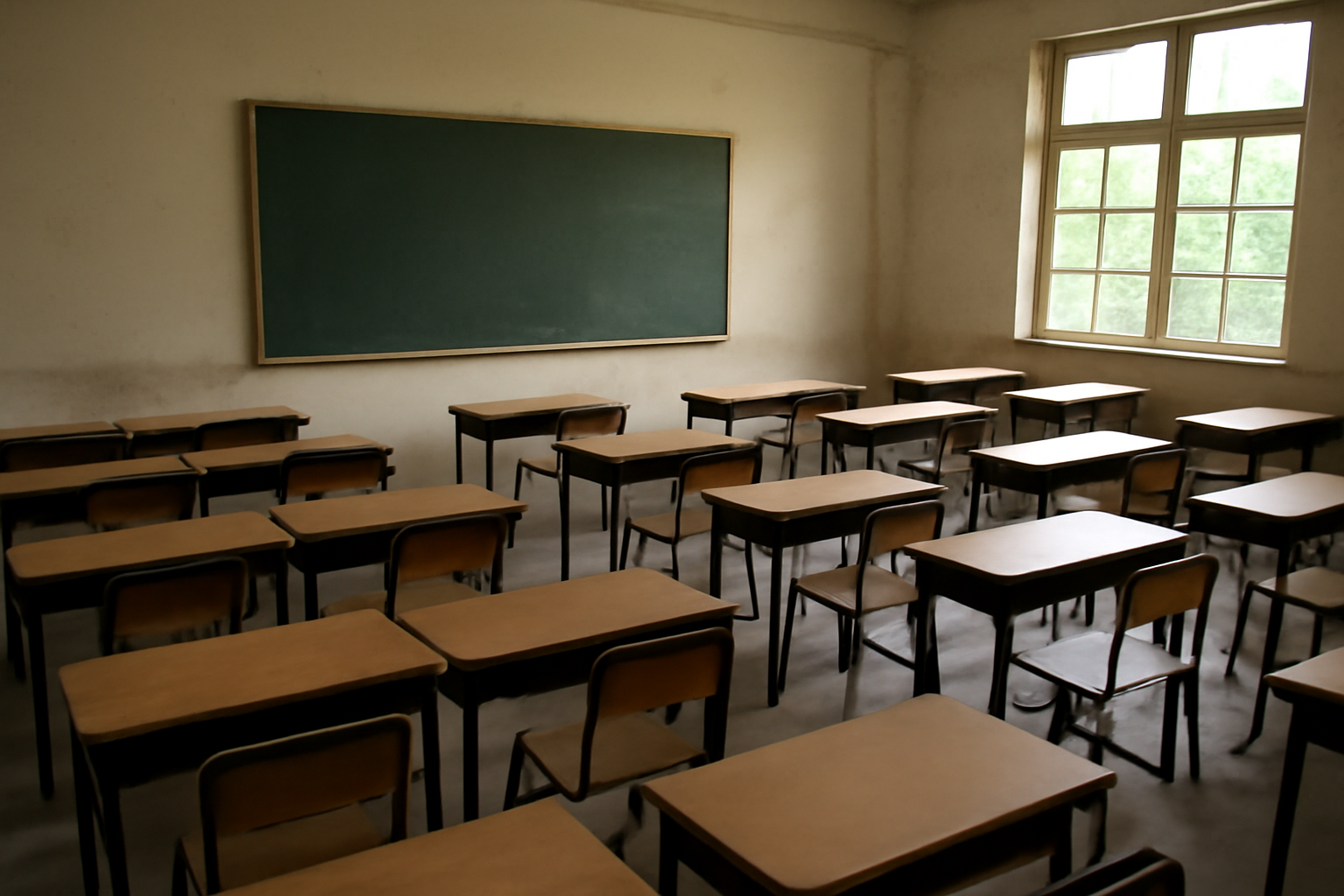
Government-run schools in Jammu and Kashmir have witnessed a troubling decline in student enrolment, with over 52,000 fewer students registered over the past two academic years. The data, released by the Ministry of Education in a written reply in the Lok Sabha, underscores growing concerns about student retention and the vitality of the public education system in the Union Territory.
According to figures drawn from the Unified District Information System for Education Plus (UDISE+), student enrolment in J&K’s government schools fell from 14,73,022 in 2021–22 to 14,21,225 in 2023–24. This downturn follows a brief but promising period of growth in government school enrolment between 2019 and 2021. The numbers climbed from 12,71,688 in 2019–20 to 13,24,263 in 2020–21, peaking in 2021–22 before the current decline set in.
The sharp reversal in enrolment has triggered a debate among educationists and policymakers over the causes behind the dip. While the Ministry pointed out that changes in data collection methods—moving from aggregate to individual student records post-2021—may have impacted comparability, it also conceded that the trend points to a genuine concern requiring sustained policy attention.
The decline is not merely a statistical footnote; it has serious implications for educational continuity, equity, and access in a region already grappling with geographic, economic, and infrastructural challenges. Education experts suggest that migration to private schools, shifting demographics, and pandemic-related disruptions could be contributing to the attrition. Additionally, learning gaps and dropouts due to COVID-19’s impact on rural and under-resourced communities may still be playing out across the region.
In response, the Ministry of Education reiterated its commitment to bolstering school education in Jammu and Kashmir through flagship centrally-sponsored schemes. Samagra Shiksha and PM POSHAN are two such major initiatives designed to enhance educational outcomes by improving infrastructure, providing free uniforms and textbooks, implementing inclusive and digital learning, and introducing vocational training at the school level.
For the current financial year (2024–25), the Central Government has allocated Rs 34,458.20 crore under Samagra Shiksha across all States and Union Territories, including J&K. These funds aim to strengthen government schools and make them more competitive with their private counterparts.
Observers believe that while funding and schemes are vital, the deeper challenge lies in rebuilding public trust in government education. Many parents are shifting their children to private institutions in search of perceived better quality, discipline, and English-medium instruction—factors that the public system must respond to proactively.
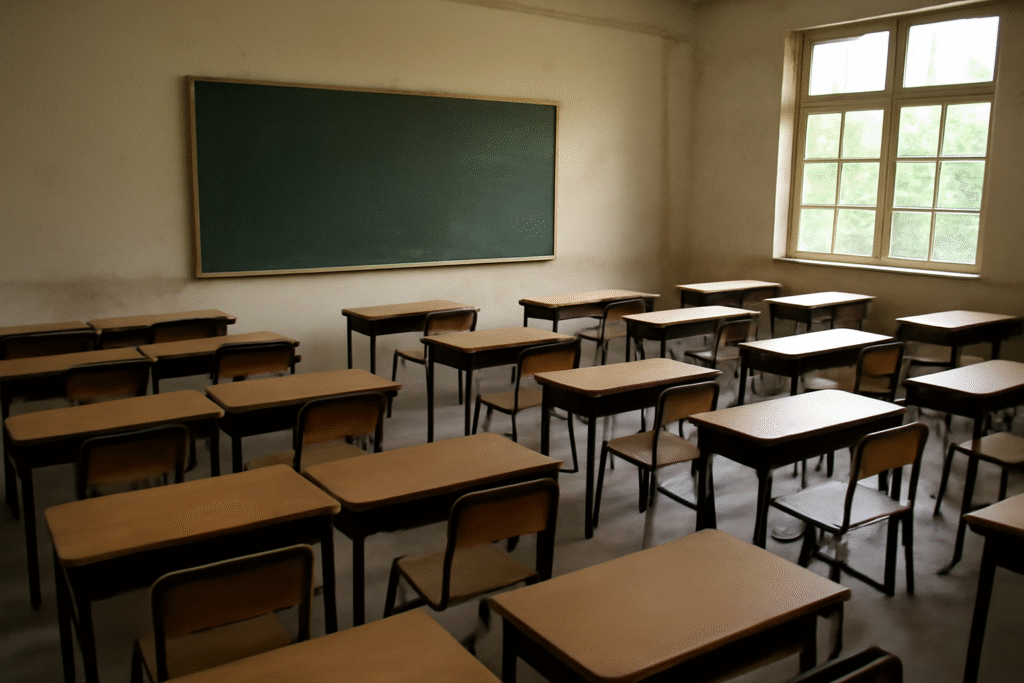
As the government readies itself for a major push to achieve 100% literacy under the ULLAS initiative by 2027, the dropout trend in its own schools casts a shadow. Experts are calling for urgent introspection into teaching quality, school leadership, curriculum engagement, and targeted interventions for at-risk students.
Unless addressed through a blend of policy innovation and on-the-ground responsiveness, the ongoing decline in government school enrolment could threaten the vision of equitable and inclusive education in Jammu and Kashmir—one of India’s most educationally significant and sensitive regions. (With inputs from KNS)
The views expressed in this article are solely those of the author and do not necessarily reflect the opinions or views of this newspaper