By Mool Raj
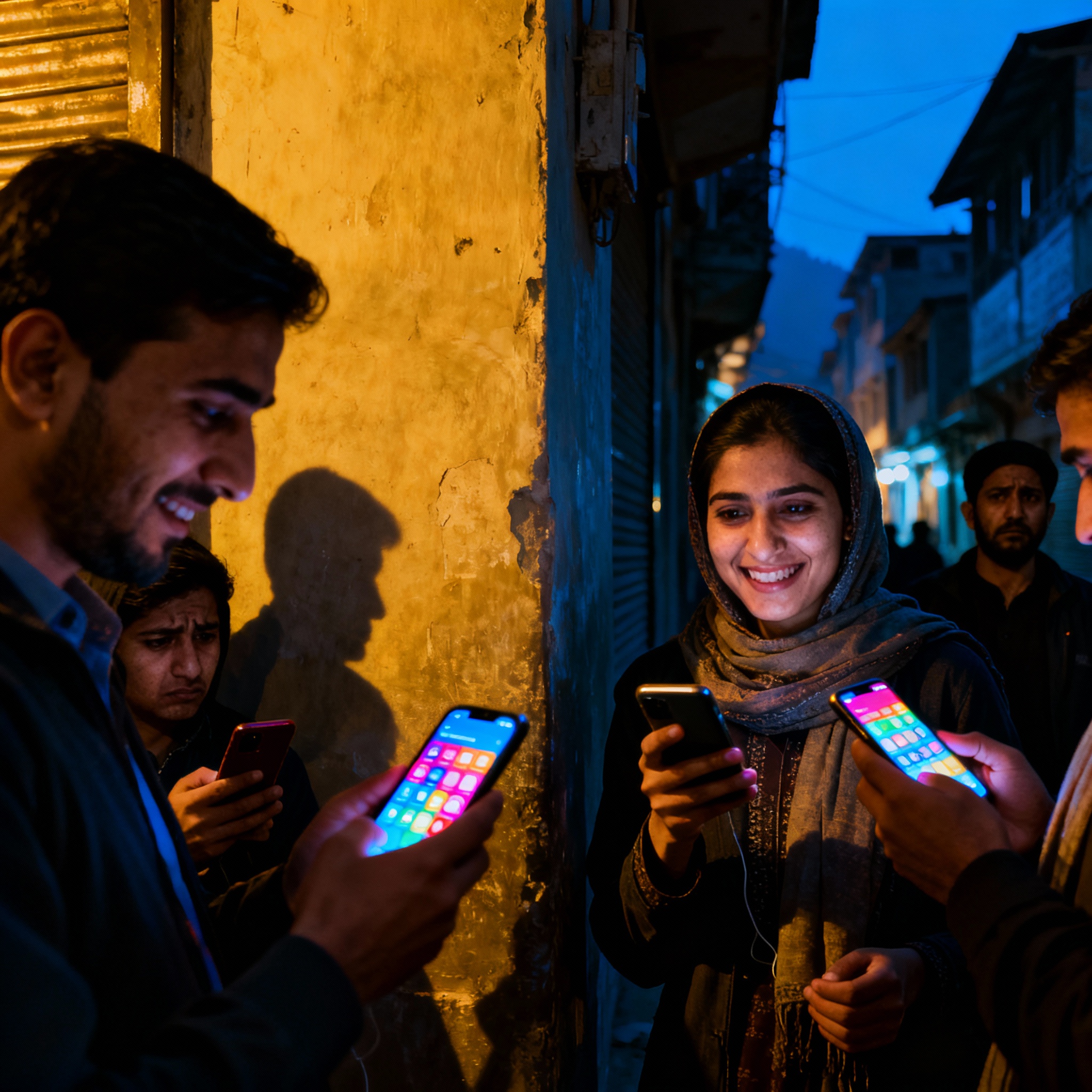
Every age sets its own benchmarks for living standards, shaped by the prevailing forces of progress and human need. The twenty-first century is undeniably defined by technology. From artificial intelligence to biotechnology, from space exploration to digital communication, modern inventions have redefined the rhythm of daily life, bringing convenience and speed into almost every sphere. Among these developments, however, social media stands at the very apex. It is no longer just a platform for sharing; it has evolved into a cultural phenomenon that has rewired human interaction, politics, business, and even personal identity.
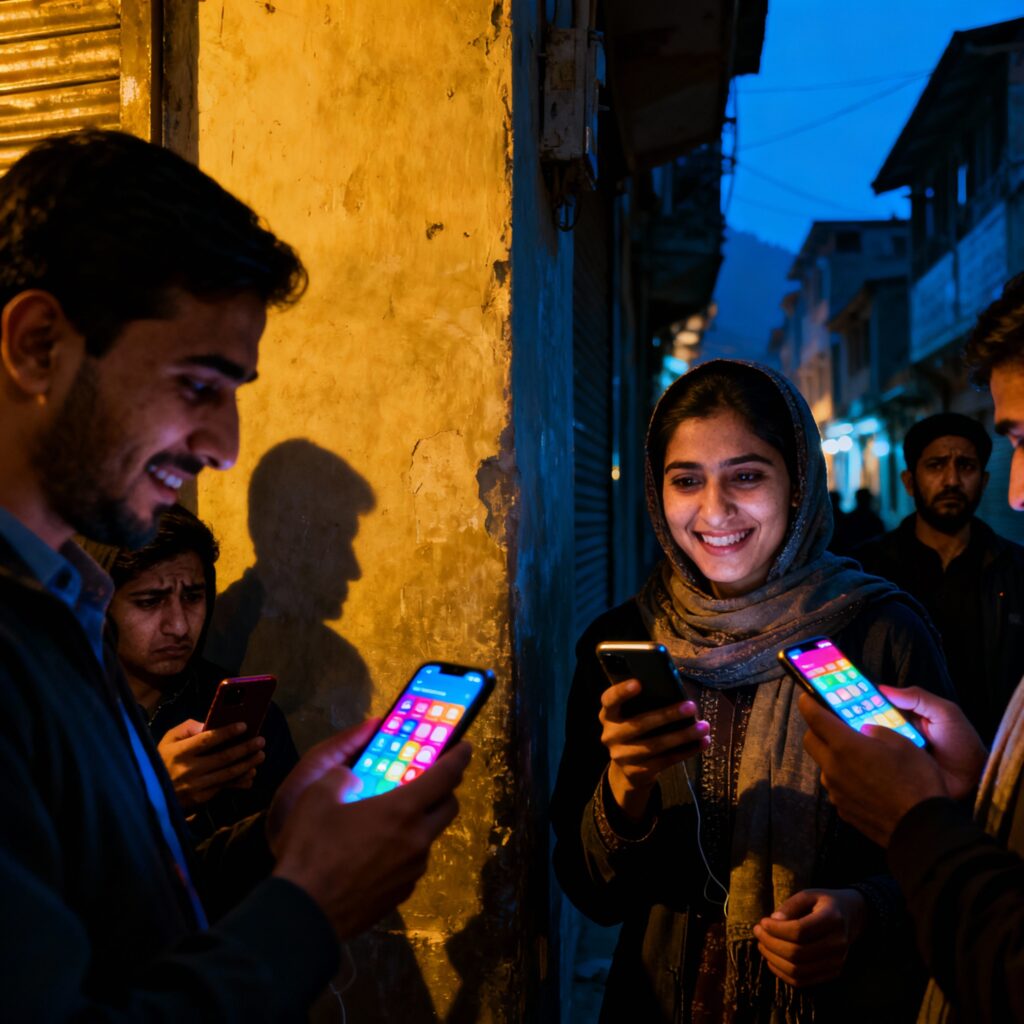
From toddlers who innocently swipe screens to senior citizens trying to keep pace with digital conversations, almost everyone today is caught in the glittering net of social media. Its charm is inescapable, and its influence, unparalleled. The power of what we consume online cannot be overstated — images, trends, and opinions quickly turn into behaviors, aspirations, and even social norms. Shakespeare’s timeless words, “There is nothing either good or bad but thinking makes it so,” ring especially true here: social media itself is not inherently harmful, but its impact depends entirely on how it is used.
At its best, social media can be an extraordinary source of knowledge, awareness, and entertainment. It has democratized information, given voice to the voiceless, and built bridges across borders. It is now a tool for activism, education, and cultural exchange. Yet, beneath this glitter lies a darker reality. For many, social media has become less of a blessing and more of a curse, bringing with it psychological burdens, security concerns, and profound social consequences.
One of the gravest issues is the erosion of privacy. Every day, users upload photographs, videos, and personal details — willingly or unknowingly — to showcase their lives, status, and social circles. Yet this visibility comes at a cost. Hacking and cybercrimes have become alarmingly common, with mischief-mongers exploiting loopholes to steal identities, misuse content, and blackmail unsuspecting users. For individuals of high repute, such violations can be devastating, dragging their names through the mud and leaving them powerless against the misuse of their accounts.
Women, in particular, face the harshest consequences. In patriarchal societies like India, where a woman’s honor is often unfairly linked to her public image, even the slightest breach of privacy can lead to lifelong stigma. A leaked photo or manipulated video can destroy reputations, break families, and eliminate prospects for marriage. Such digital harassment often leaves women carrying silent but unbearable burdens of shame and despair. The countless cases of leaked private videos on social media platforms are not just individual tragedies but collective failures, revealing how technology, when misused, becomes a weapon in the hands of exploiters.
The younger generation is also bearing the brunt of this unchecked digital revolution. Teenagers and children, instead of engaging in outdoor activities or honing interpersonal skills, often spend endless hours scrolling through social feeds. This not only drains their valuable time but also rewires their sense of reality. Exposure to curated lifestyles of the wealthy and glamorous can create unrealistic expectations. Middle-class teenagers, unable to bridge the gap between aspiration and affordability, sometimes pressure their parents into unethical practices or spiral into depression. In tragic cases, frustration over unfulfilled digital dreams has even driven young lives to suicide.
Social media has also played a role in normalizing destructive habits. The glamorization of drugs, vaping, hookah, and alcohol — presented as fashionable trends on platforms like Instagram and Snapchat — has had a direct impact on impressionable minds. The maxim, “children see, children learn,” applies vividly in this context. The behaviors and lifestyles showcased online often become templates for young people, fostering cultures of addiction and rebellion that were far less visible in pre-digital societies.
It is important to remember that the world was not devoid of problems before the rise of social media. Yet life, by many accounts, was simpler and more peaceful. Communities thrived on real interactions, conversations carried depth, and relationships were not constantly filtered through the lens of online validation. With the advent of social media, while global connectivity has flourished, personal peace and genuine intimacy have eroded.
Addressing these challenges requires urgent attention. Cybersecurity must be strengthened to protect individuals from hackers and digital predators. Governments, technology companies, and civil society must work in tandem to ensure that social media platforms do not become breeding grounds for exploitation. Digital literacy campaigns are equally essential, teaching users — especially children and women — how to navigate these platforms safely, identify threats, and guard their privacy.
Ultimately, social media is a double-edged sword. It can be a powerful enabler of growth and communication, or a destructive force that ruins lives. The choice, to a large extent, lies with its users, but the responsibility also falls upon policymakers and technology leaders to create safer, healthier digital environments. The twenty-first century may be the age of technology, but unless humanity learns to balance innovation with ethics, progress with privacy, and connectivity with compassion, the very tools meant to ease our lives may continue to complicate them.
The views expressed in this article are solely those of the author and do not necessarily reflect the opinions or views of this newspaper