By Rayees Ahmad Kumar
From the tranquil yet turbulent landscapes of Akingam in Anantnag, writer Fazil Shafi Bhat has steadily carved a name for himself as one of Kashmir’s most distinctive fiction voices. Known for his precise storytelling and painterly prose, Bhat’s work often graces the pages of leading dailies, weeklies, and literary magazines across the subcontinent. His narratives carry a weight that reflects both the region’s silent sorrows and its unresolved moral crises—unflinching portraits of the pain endured under societal apathy and, at times, domestic callousness.
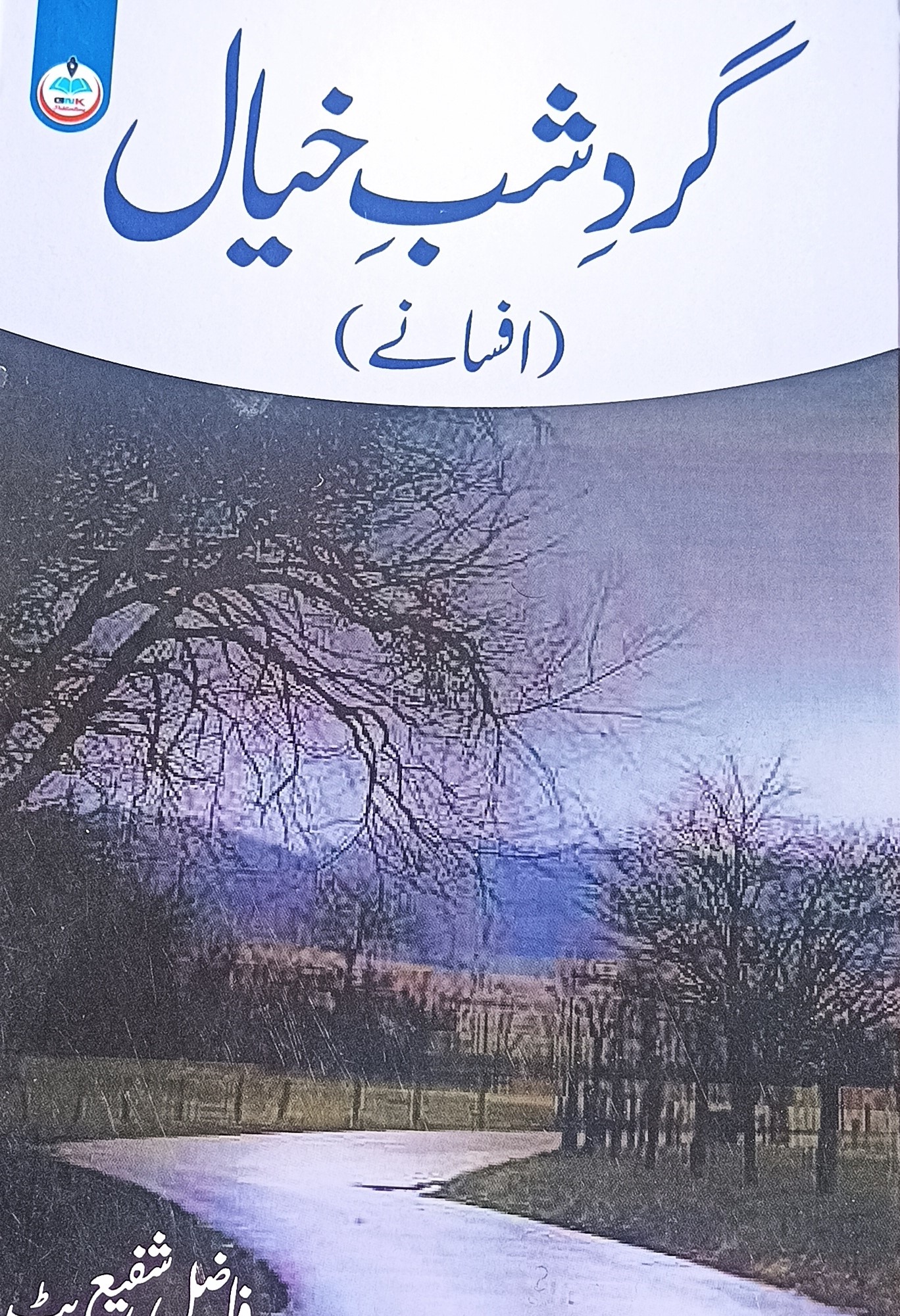
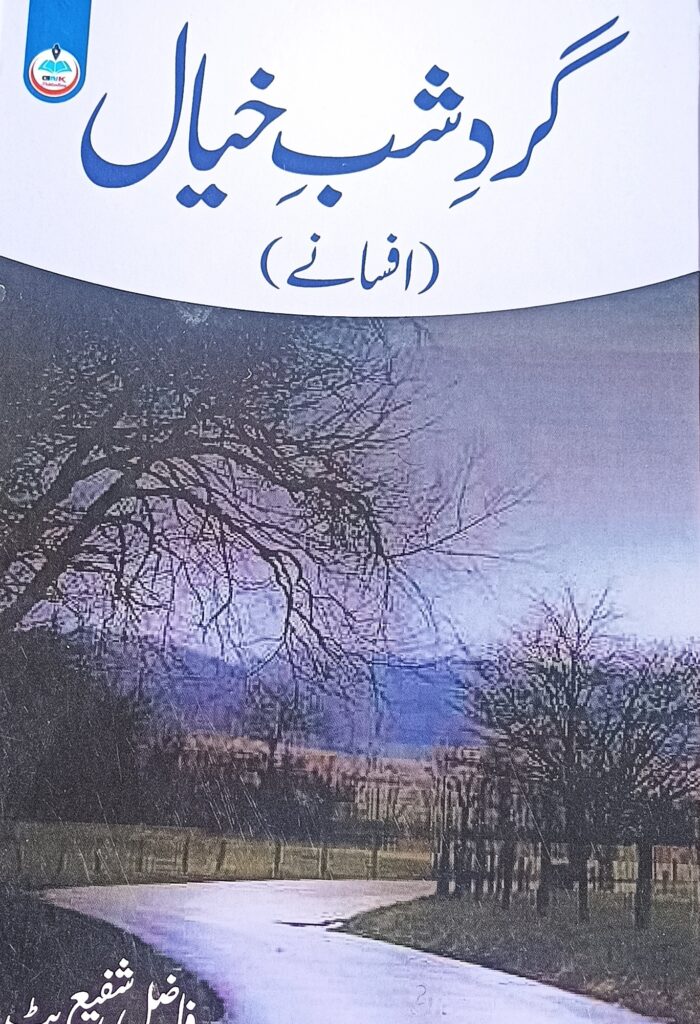
Bhat’s latest offering, Gard-e-Shab-e-Khayal—a collection of 25 short stories published by GNK Publications—cements his position as a chronicler of Kashmir’s social psyche. Released during the Fiction Writers’ Guild’s weekly session in Srinagar, in the presence of the Valley’s literary luminaries, the 158-page collection stands out not only for its thematic richness but also for its striking visual presentation. An eye-catching cover encloses crisp, premium-quality pages, each carrying the weight of lived reality and moral interrogation.
Dedicated to his late parents, spouse, daughter, mentor Meraj Zargar, and other close family members, Bhat’s proem offers a personal gateway into his creative world. In it, he recalls the hardships of orphanhood, the desperation of survival, and his early resolve to write fiction grounded in truth—a fiction meant not for escapism, but for confronting humanity’s neglected wounds.
The opening story, “Trailer,” serves as a moral jolt—a commentary on the hypocrisy of the pious who parade religious symbols while exploiting others. In “Kufrani Nyamat,” Bhat turns to the cultural obsession with male heirs and the booming business of faith healers, weaving a tale that exposes both superstition and greed.
“Kamayi” is a biting indictment of petty corruption: a poor man sells his land to build a home, only to be extorted by a bribe-seeking official whose eventual personal tragedy feels like a cruel twist of fate. In “Shabkhoon,” Bhat’s pen becomes sharper, laying bare the plight of orphans exploited by relatives and betrayed by the very legal systems meant to protect them.
There’s a journalistic precision in “Rogni Shifa,” which takes readers into the murky trade of counterfeit herbal medicines, and in “Shikast Arzoo,” where the inability to afford a sacrificial animal during Eid becomes a metaphor for dignity lost under economic strain. “Radhi Kagaz” and “Maya Ka Khel” travel through changing times—from second-hand book traditions fading into consumerist waste, to the cruel stigmatization of infertility.
Perhaps the most contemporary of all is “Na Karda Gunah,” a story about the dangers of unchecked mobile phone use among children, where a seemingly innocent scroll can spiral into humiliation and societal backlash.
What ties these disparate narratives together is Bhat’s ability to filter social realities through characters that feel both intimate and symbolic. His prose is not ornamental—it is functional, direct, and often laced with quiet indignation. As critic Naseem Ishq notes in her endorsement, Bhat’s style “reflects the happenings of daily life” with an honesty that avoids sensationalism yet refuses to soften the blow.
In Gard-e-Shab-e-Khayal, Fazil Shafi Bhat has not merely written a book—he has curated a mirror for Kashmiri society, one that reflects its bruises, contradictions, and quiet heroism. For readers of fiction who value truth over sentimentality, this is a collection that demands to be read, discussed, and remembered.
The views expressed in this article are solely those of the author and do not necessarily reflect the opinions or views of this newspaper