By Abid Hussain Rather
Whenever we hear the word war, our minds instinctively drift toward images of armed conflict—armies clashing on distant battlefields, nations locked in combat, or the great wars etched into history books. Yet, war is not confined to blood and gunpowder. In truth, it is an inseparable part of life itself. Each of us, in our own way, is engaged in battles—against adversity, against competition, and often against ourselves.
Business, politics, sports, or even the pursuit of recognition and power—these are not lesser battlefields than the traditional ones. Every person encounters moments when they must fight circumstances or competitors to survive, grow, and succeed. And those who fail to develop the art of facing adversity often find themselves suppressed, stagnant, and consumed by inner conflict. It is in this sense that learning “the art of war” is not merely about military conquest but about mastering life itself.
Ancient Wisdom, Modern Relevance
One of the most enduring works on strategy is The Art of War, attributed to the Chinese military strategist Sun Tzu, written nearly 2,500 years ago. The text, composed of thirteen chapters, remains a cornerstone of military philosophy. But its impact has long spilled over into civilian life. Leaders in politics, business magnates, sports coaches, and even intelligence agencies have drawn from its lessons.
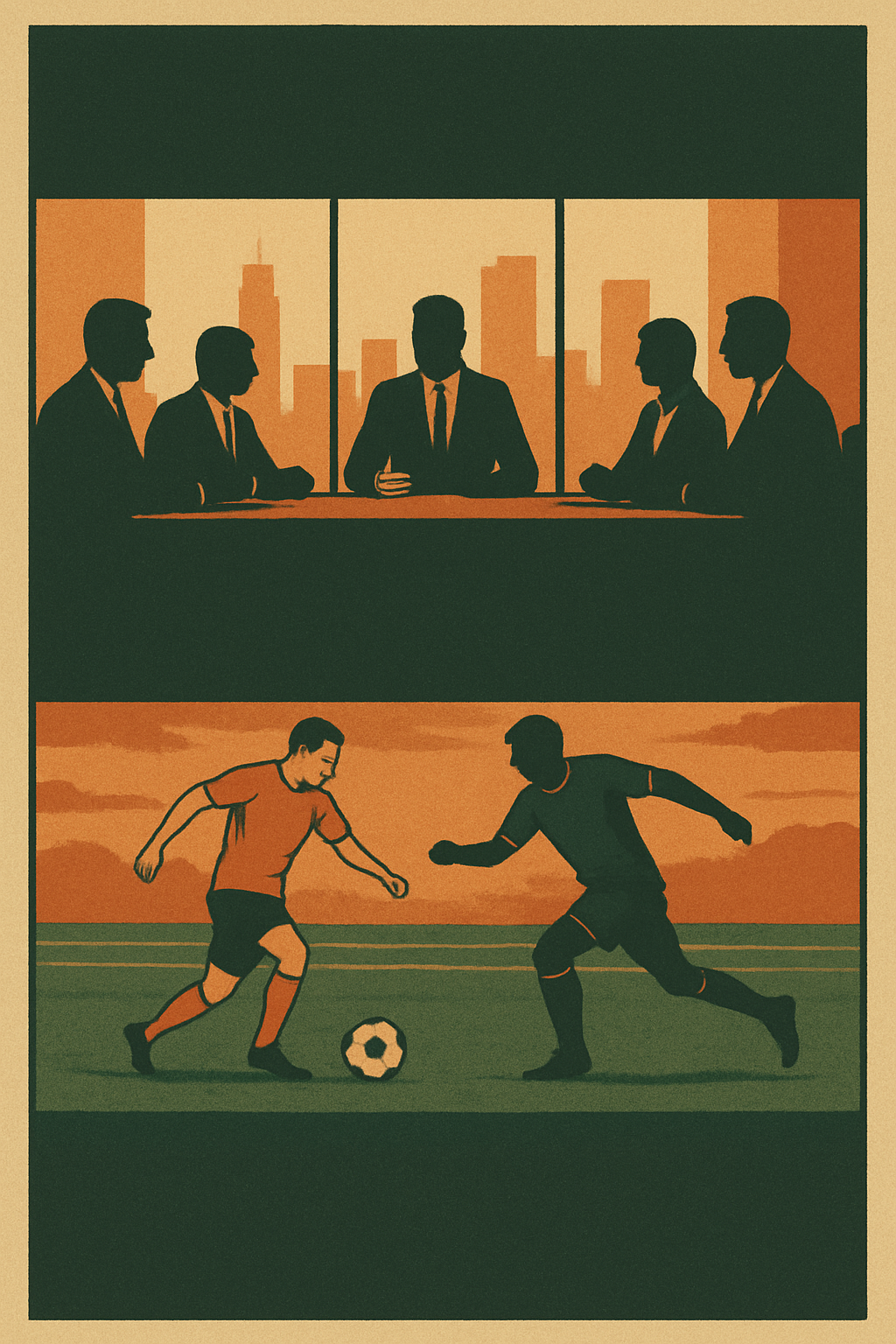
For example, Vietnamese General Vo Nguyen Giap credited Sun Tzu’s principles for Vietnam’s victory over France. In a different arena altogether, Brazilian football coach Luiz Felipe Scolari famously turned to the book’s wisdom when guiding his team to the 2002 FIFA World Cup victory. These examples illustrate that though the book was written for generals, its insights can serve anyone navigating the battles of a competitive world.
Know Yourself, Know the Enemy
One of Sun Tzu’s central teachings is deceptively simple: if you do not know yourself or your opponent, you are destined to lose. Self-awareness is as important as understanding the rival. Knowing one’s weaknesses may not eliminate them, but it prevents others from exploiting them. Equally important is the recognition that not every battle is worth fighting. Energy, time, and resources should be reserved for battles that truly matter.
In today’s context, this translates to choosing wisely which professional, personal, or social struggles deserve our focus. Chasing every conflict only leads to exhaustion and wasted effort. Strategic restraint is often the smarter form of strength.
Adapt Like Flowing Water
Another crucial principle from Sun Tzu is adaptability. He likens war to flowing water—forever shifting its course, reshaping itself to the terrain. Strategies, too, must evolve with changing circumstances. Rigid thinking breeds defeat, while flexibility ensures survival.
This lesson resonates strongly in the modern world. Economic crises, technological disruptions, and shifting political landscapes all demand constant adaptation. To outmaneuver opponents, one must be willing to change tactics, sometimes even abandoning a path if it no longer serves the objective.
The Power of Deception and Emotional Control
Sun Tzu also champions subtlety and secrecy. The greatest victory, he argues, is one in which the enemy is subdued without ever understanding how they lost. Deception, surprise, and unpredictability are powerful weapons.
Yet, deploying such tactics requires emotional discipline. A person controlled by anger or arrogance exposes vulnerabilities. Emotional intelligence—the ability to regulate one’s responses and maintain inner balance—becomes indispensable. Calmness sharpens rational thought, enabling unexpected and often game-changing responses. In essence, psychological mastery can be as decisive as physical strength.
Lessons for the Contemporary World
Taken together, these principles remind us that war, in Sun Tzu’s sense, is less about violence and more about strategy, awareness, and discipline. They urge us to act with foresight, to conserve resources, and to cultivate adaptability.

In today’s hyper-competitive environment—whether in boardrooms, classrooms, or political arenas—these lessons remain strikingly relevant. By internalizing them, individuals can transform conflict into opportunity, setbacks into stepping stones, and rivals into teachers.
It must be underlined, however, that the purpose of revisiting Sun Tzu is not to glorify conflict but to recognize that struggle is inevitable in human life. The real art lies in confronting adversity wisely—transforming challenges into triumphs without unnecessary confrontation. If mastered, this art of war can help us not only survive but also excel and outshine in the race of life.
The views expressed in this article are solely those of the author and do not necessarily reflect the opinions or views of this newspaper. The author can be reached at [email protected]