
By Arsheed Ahmad Bhat
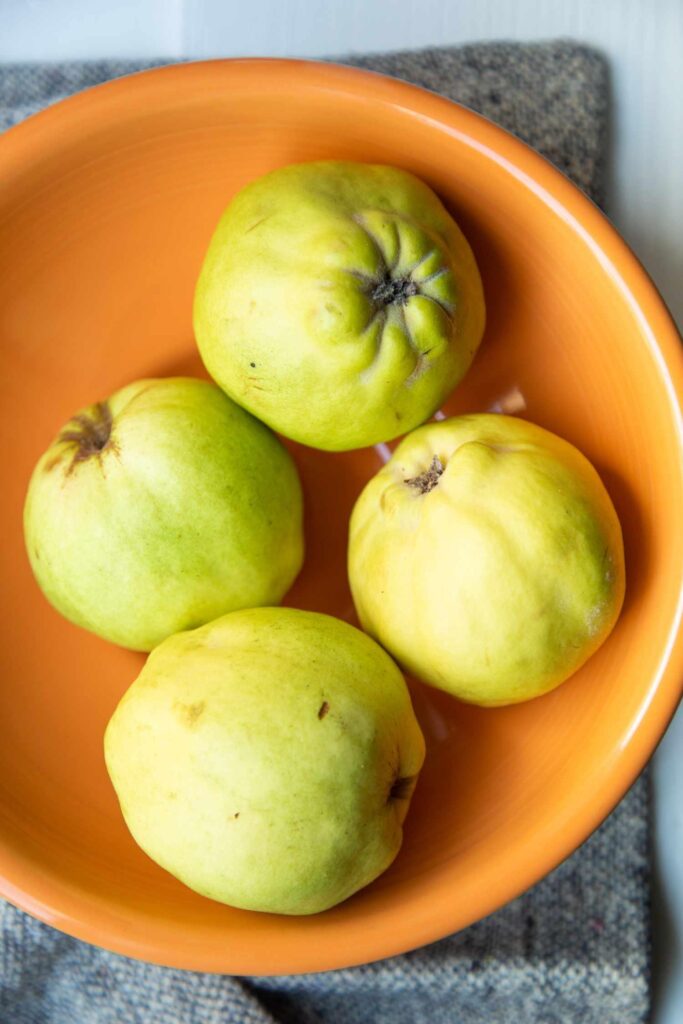
In the verdant orchards of Kashmir, settled among the more renowned apples and pears, thrives a lesser-known yet culturally significant fruit—the quince, locally known as Bamchoont or Bam Tchoonth. This golden-yellow fruit, scientifically termed Cydonia oblonga, has been an integral part of Kashmiri heritage for centuries, cherished for its unique aroma, robust texture, and multifaceted uses in cuisine and traditional medicine.
A Nutritional Powerhouse
Despite its modest appearance, the Kashmiri quince is a nutritional gem. Rich in vitamin C, dietary fiber, and essential minerals like potassium, copper, and iron, it offers numerous health benefits. The fruit’s high antioxidant content, including compounds such as caffeoylquinic acid and rutin, helps combat oxidative stress, thereby supporting overall health.
Traditionally, quince seeds have been utilized in Unani and folk medicine. When soaked in water, they form a mucilaginous coating believed to soothe sore throats, alleviate coughs, and aid in digestive disorders. Locals also attribute heart-strengthening and immunity-boosting properties to the fruit, particularly beneficial during the harsh Kashmiri winters.
Culinary Delights of Bamchoont
In Kashmiri kitchens, the quince is seldom consumed raw due to its astringent and firm pulp. Instead, it is transformed into a delectable array of dishes. One of the most celebrated preparations is Bamchoont Yakhni, a yogurt-based curry where quince imparts a unique sweet-tart flavor to tender lamb or chicken. Other popular dishes include quince cooked with brinjal (Bamchoont Wangan) and quince mutton yakhni, each showcasing the fruit’s versatility in enhancing savory flavors.
Beyond savory dishes, quince is also used to make jams, jellies, chutneys, and refreshing beverages. Its flavor mellows and becomes more fragrant when cooked, making it a cherished ingredient in various preserves and syrups.
Cultural Significance and Economic Value
The quince holds a special place in Kashmiri culture. Historically, quince trees were considered auspicious and were often planted in household orchards as symbols of prosperity and health. This reverence is reflected in the traditional practice of offering quince during memorial services, underscoring its spiritual importance.
Economically, while quince cultivation is not as commercially prominent as apple farming in Kashmir, it contributes to the region’s horticultural diversity. Farmers often grow quince alongside apples and pears, adding variety to their orchards. With the increasing global demand for organic and traditional fruits, quince has the potential to gain recognition in international markets, provided there is a concerted effort in promotion and value addition.
A Symbol of Heritage and Wellness
The Kashmiri quince is more than just a fruit; it is a testament to the region’s rich cultural tapestry and its harmonious relationship with nature. From its role in traditional medicine to its prominence in festive dishes, quince embodies the valley’s culinary legacy and its commitment to holistic well-being. As interest in indigenous and organic produce grows worldwide, the quince stands poised to reclaim its rightful place in both local and global markets, offering a taste of Kashmir’s heritage to the world.
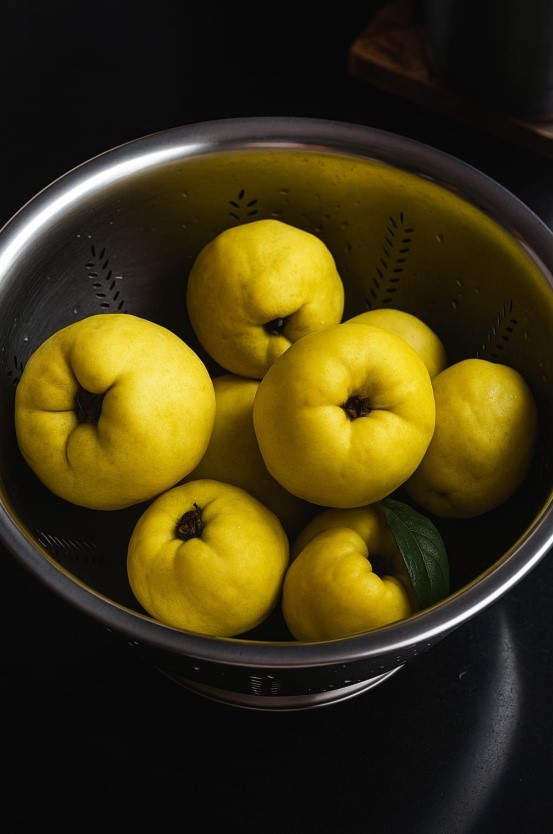
In conclusion, the quince, or Bamchoont, is a multifaceted fruit that encapsulates the essence of Kashmiri tradition, nutrition, and culture. Its continued appreciation and cultivation can serve as a bridge between the past and the future, preserving a valuable aspect of Kashmiri heritage for generations to come.
The views expressed in this article are solely those of the author and do not necessarily reflect the opinions or views of this newspaper. The author can be reached at [email protected]