Ramadan is often viewed through the lens of sacrifice, yet it functions as a sophisticated system for total recalibration
By Waris Nissar
The silhouette of a crescent moon signals more than a shift in the lunar calendar; it initiates a profound physiological and spiritual recalibration for nearly two billion people. While the public face of Ramadan is often defined by the absence of food and drink, viewing the fast through a purely restrictive lens misses the complex biological and ethical machinery at work. Fasting is not a passive endurance test of hunger and thirst but an active, disciplined pursuit of taqwa—an Arabic concept denoting a heightened state of God-consciousness that acts as a moral compass. This period of restraint serves as a rigorous training ground for the nafs, or the ego, forcing a confrontation with one’s internal landscape. When the Prophet Muhammad (peace be upon him) spoke of the gates of Paradise opening and the devils being chained, scholars interpreted this as a metaphysical easing of the path toward virtue. However, the persistence of human error during this month serves as a stark reminder that while external temptations may be hushed, the internal struggle against ingrained habits and unchecked desires remains the primary battlefield.
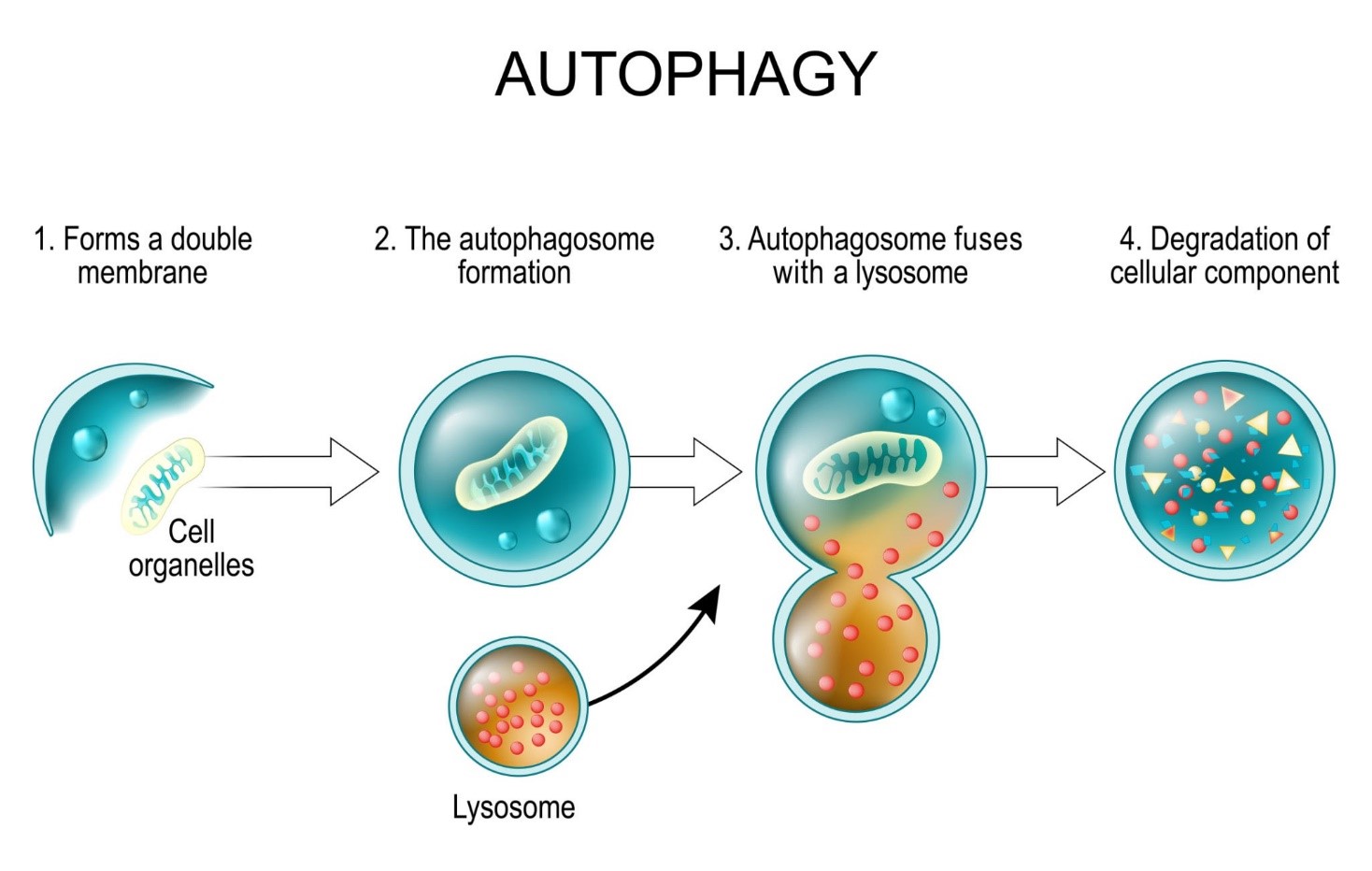
From a scientific perspective, this spiritual overhaul is supported by significant metabolic shifts. As the body enters a fasted state, typically eight hours after the last meal when the gut finishes absorbing nutrients, it transitions from using glucose as its primary energy source to utilizing stored fats. This process, known as metabolic switching, triggers a cascade of cellular benefits. One of the most critical is autophagy, a cellular “housecleaning” process where cells break down and recycle damaged proteins and organelles.
This biological renewal mirrors the spiritual objective of the month: the removal of the old, the toxic, and the redundant to make way for the refined and the resilient. Research into intermittent fasting suggests that this cycle can improve brain function by increasing the production of brain-derived neurotrophic factor (BDNF), a protein that supports the survival of existing neurons and encourages the growth of new ones. Just as the brain becomes more plastic and adaptable, the practitioner is meant to become more ethically malleable, shedding rigid patterns of hostility or dishonesty in favor of patience and humility.
The true measure of Ramadan, therefore, is not found in the vacuum of the stomach but in the quality of one’s character. If a person refrains from water but continues to engage in betrayal, injustice, or backbiting, the fast is hollowed of its purpose. The Qur’anic principle that the condition of a people will not change until they change what is within themselves is a call to radical self-responsibility. This is the “Great Jihad”—the internal struggle to align outward actions with inward faith. Science tells us that it takes roughly three to four weeks to begin forming new neural pathways associated with habit change. Ramadan provides exactly thirty days of consistent, intentional practice. By consciously choosing self-correction over fault-finding, the believer utilizes this window of neuroplasticity to hardwire virtues like empathy and restraint into their daily identity.
This month also forces a social realignment. Hunger is a universal equalizer, a biological reality that strips away the delusions of self-sufficiency. This physical vulnerability fosters a profound sense of ihsan, or excellence in social conduct, encouraging fairness in dealings and respect in relationships. When the body experiences the stress of fasting, the hormonal response—including a decrease in insulin and an increase in growth hormone—can lead to a state of mental clarity that, when harnessed correctly, allows for deeper reflection on one’s role within the community. It is a period for strengthening unity and removing the “hatreds” that often clutter human interactions. True success in this month is not measured by the stamina to endure hunger, but by the sustained transformation of the soul. It is a transition from symbolic religiosity to a lived integrity, where the discipline of the fast becomes the foundation for a better, more accountable version of the self. As the month progresses, the objective remains clear: the goal is not merely to go without, but to become more.
The views expressed in this article are solely those of the author and do not necessarily reflect the opinions or views of this newspaper
Leave a Reply