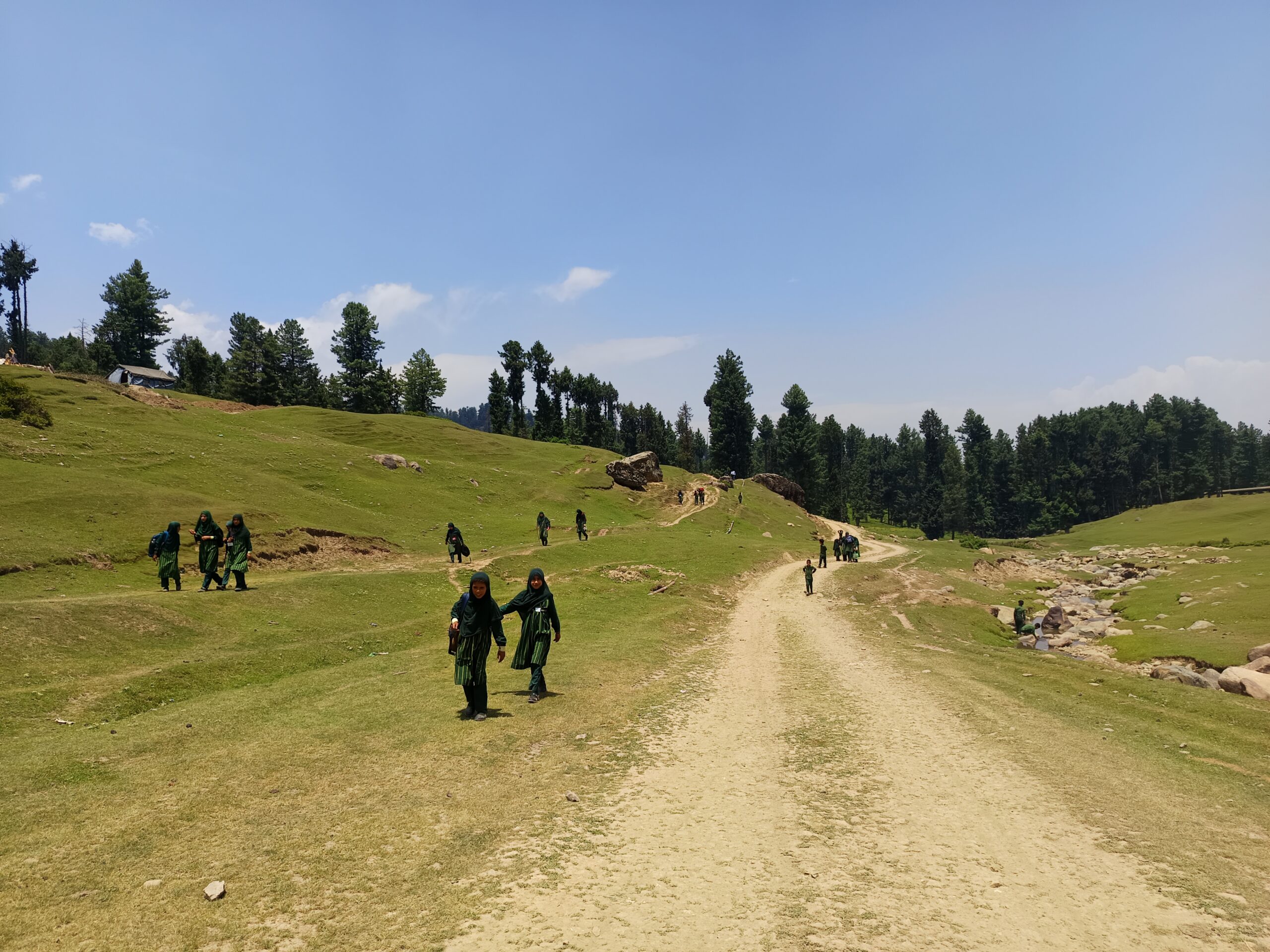
Tucked away in central Kashmir, this serene valley offers untamed meadows, pine forests, and rich pastoral traditions. It remains an ideal retreat for travelers seeking peace away from crowded tourist hubs.
By Sahil Manzoor
Central Kashmir’s Budgam district, widely celebrated for its vibrant agricultural output and deep-rooted spiritual heritage is home to some of the most serene and untouched landscapes in the Kashmir Valley. While iconic destinations such as the vast alpine meadows of Doodhpathri and historical shrines like Charar-e-Sharief, the resting place of the legendary Sufi saint Sheikh Noor-ud-din Wali (RA) draw steady crowds, a quiet retreat lies nestled away from the main tourist trail: Haijjan Branwar. This hidden haven offers visitors raw natural beauty intertwined with rich pastoral traditions.
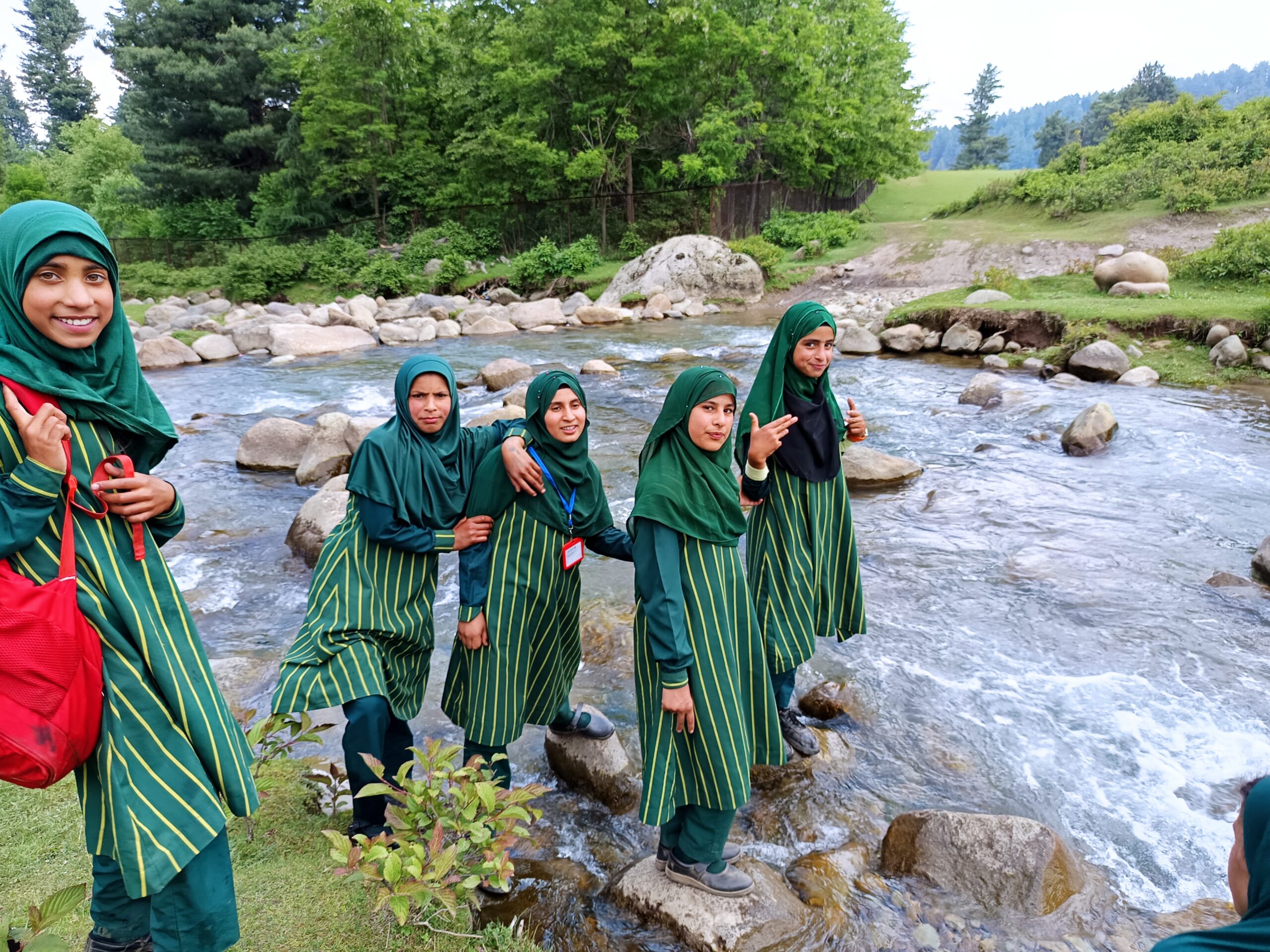
Situated roughly 45 kilometers from the state capital of Srinagar, Haijjan Branwar stands out as one of Budgam’s most enchanting and tranquil sites. Thick pine and coniferous forests ring open, rolling green meadows where the gentle chatter of mountain streams replaces urban noise. Traditionally, local shepherds and nomadic Gujjar and Bakarwal communities have relied on these high pastures for seasonal livestock grazing. Scattered across the landscape are traditional kothas, log and mud structures built by nomadic herders as summer shelters, which lend a distinct cultural character to the valley.
Beyond its quiet pastoral routine, Haijjan serves as a lively gathering space for local youth and students, who often head to its clearings for weekend sports, picnics, and leisure activities. The setting provides a safe, peaceful environment with huge potential for sustainable tourism development. A quick 20-minute trek across the cold waters of the Doodh Ganga River brings hikers into lush adjacent valleys, while an extended one-hour trail connects directly toward Yousmarg. This geographical advantage places Haijjan at a strategic junction for regional trekking routes, connecting several popular alpine corridors across central Kashmir.
However, realizing this potential requires addressing persistent infrastructure challenges. The connecting stretch from Jabbad to Haijjan remains poorly maintained, and local residents and visitors frequently advocate for road upgrades to ensure safer, smoother vehicular passage. Improved connectivity would make the area far more accessible while encouraging responsible eco-tourism that supports local livelihoods.
Haijjan holds ecological and economic weight beyond its scenery. The region’s clean mountain streams act as the primary water catchment for the 7.5 MW Branwar Small Hydroelectric Power Project. This run-of-the-river initiative harnesses local water resources to supply clean energy to the grid, illustrating how natural landscapes in Kashmir directly support regional utility needs.
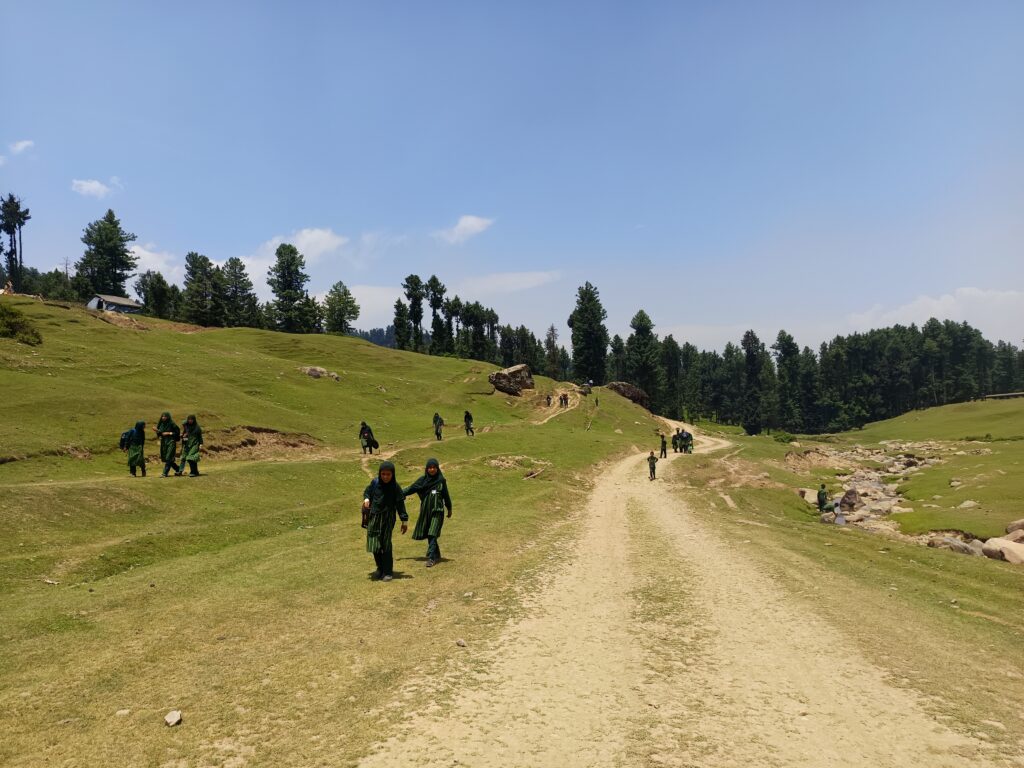
Because of this intersection between ecology and infrastructure, Haijjan is an ideal destination for educational field trips. Schools and youth groups can explore the area’s rich biodiversity, study local conservation efforts, and visit the hydroelectric facility to see renewable energy generation in action.
Travelers can reach Haijjan Branwar through two main routes: via Budgam through Raithan, Watred, Nego Branwar, and Jabbad; or via Chadoora passing through Surasyar and Branwar before joining the Jabbad road. With thoughtful development, enhanced road access, and targeted promotion, Haijjan Branwar can take its rightful place on Kashmir’s travel map as an eco-friendly sanctuary that balances conservation, community growth, and natural adventure.
Disclaimer: The views expressed in this feature article are solely those of the author and do not necessarily reflect the official editorial stance or opinions of this publication. The author can be reached at [email protected]
Leave a Reply