By Syed Mustafa Ahmad
Teaching is often described as the most difficult profession in the world, a claim that may sound exaggerated until one steps into a classroom and confronts the daily realities of the job. While other professions demand skill, effort, and dedication, teaching demands something more elusive: the ability to ignite minds, sustain curiosity, and transform information into wisdom. The farmer, the doctor, the engineer, the sweeper—all serve essential roles in society. But it is the teacher who lays the foundation for them all. Without teachers, the system collapses, and yet the challenges of teaching are often underestimated.
To understand teaching is to understand that it is not simply about preparing students for examinations, nor is it about mastering tricks to secure full marks. It is far removed from the rote memorization of dates or equations. The real essence of teaching lies in creating a bridge between knowledge and life, in turning education from a mechanical task into a living experience. That is easier said than done. Across cultures and classrooms, one universal challenge remains: keeping students engaged, motivated, and genuinely connected to their studies.
My own experience as a private tutor has been both humbling and revealing. To call myself a teacher may be too generous; at times I feel more like a learner. Standing in front of students, I have often struggled to sustain their motivation. For a fleeting moment, my words light a spark—students sit up, attentive, energized. But that energy dissipates as quickly as it arrives, leaving behind little of substance. It is like writing on water: visible for a second, gone the next.
This recurring pattern forced me into self-reflection. Why was I unable to keep my students hooked? Where did my efforts falter? Slowly, I realized the flaw was not in their attention span alone, but in my approach. I was speaking to them, but not connecting their lessons to their lives. I was teaching formulas without context, history without relevance, language without resonance. My words, though meaningful, were knocking on the wrong doors. Instead of showing them how to push open opportunities, I was inadvertently teaching them to pull at locked handles, leaving them frustrated. In short, I was skinning a dead horse.
That realization was both painful and liberating. It forced me to adopt a different approach: to convert education into a passionate, lived experience. Students, I discovered, remain engaged not because of authority or obligation but because they see meaning, relevance, and joy in learning. And when that happens, the results are transformative.
The first transformation is the way students begin to see education itself. No longer a burden or compulsion, learning becomes fun, even entertaining. A curious child who once dreaded textbooks begins to chase knowledge willingly, embracing difficulties as challenges rather than punishments. This is not about reducing education to mere play but about revealing its beauty, its thrill of discovery.
The second transformation is in the status of education itself. When students feel genuinely attached to their pursuit of knowledge, the value of education rises above grades, degrees, or certificates. It becomes a radiant force, lighting not only their own paths but inspiring others around them. This kind of pedagogy—scintillating and alive—creates ripples that extend far beyond the classroom.
The third transformation lies in the future such an education promises. A generation engaged in meaningful learning becomes a generation equipped for life, not just for exams. Their minds expand, their souls fill with the fragrance of knowledge, and their capacity to contribute multiplies. Society, in turn, benefits: with informed citizens, creative thinkers, and ethical leaders. The glittering future we so often dream about begins with the classroom of today.
But such a path is far from easy. We live in an age of unprecedented distraction, where the glow of screens often outshines the glow of books. Attention spans shrink, curiosity competes with entertainment, and the teacher’s voice risks drowning in the digital noise. Yet, the difficulty of the task does not make it impossible. With proper guidance, innovative strategies, and support from educational experts, students can indeed be kept engaged. The key lies in resilience: keeping our heads high, our souls open, and our methods adaptable.
Teaching, then, is not simply a profession but a mission. It requires patience, empathy, creativity, and the courage to face failure again and again without surrendering. It demands that teachers remain learners themselves, constantly evolving to meet the needs of their students. The road is thorny, yes, but every thorn carries the possibility of blooming into a flower if nurtured with care.
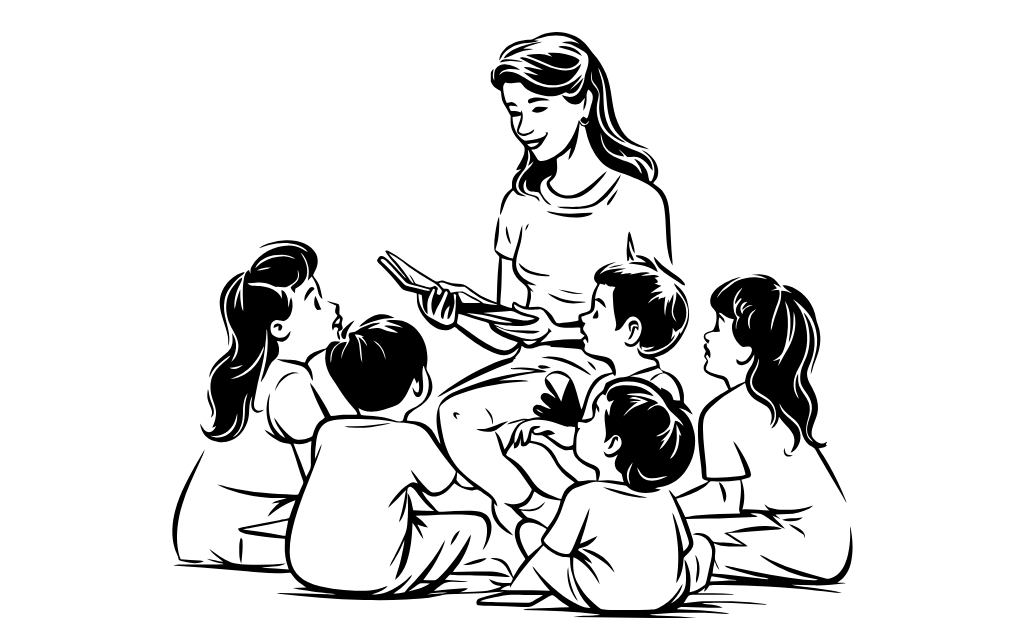
As we reflect on the challenges of teaching, let us also embrace its possibilities. To keep students engaged is to secure not just their future but the future of society at large. It is to ensure that education remains a source of strength, joy, and transformation. The journey is long, the hurdles many, but the goal—of creating an enlightened, empowered generation—is worth every effort.
So let us pledge: we will not leave a stone unturned in making education our top priority, in keeping students engaged not through fear or compulsion but through passion and relevance. The audit of our efforts may come in the future, but today, in every classroom, the work begins. Until then, we keep our hopes alive, our methods refined, and our belief unshaken that education, when taught with purpose, has the power to change everything.
The views expressed in this article are solely those of the author and do not necessarily reflect the opinions or views of this newspaper