
By Arsheed Ahmad Bhat
In the remote border villages of Teetwal and Tangdar in Jammu and Kashmir’s Kupwara district, a quiet but powerful revolution is reshaping lives. The fields that once seemed abandoned are now blushing crimson at harvest time, as women-led Self Help Groups (SHGs) under the Jammu and Kashmir Rural Livelihoods Mission (JKRLM) breathe new life into red rice cultivation. This revival is not just about farming. It is about reclaiming heritage, nourishing communities, and empowering women to become drivers of economic change.
For centuries, red rice was a staple in these hilly terrains, known for its unique taste and resilience to harsh conditions. But as modern preferences shifted toward polished white rice and changing agricultural patterns pushed farmers toward cash crops, the crimson grain began to vanish. Today, thanks to the collective spirit of these women, the crop is staging a remarkable comeback. The return of red rice to the terraced fields is more than an agricultural success—it is a story of courage, cultural pride, and community self-reliance.
What makes red rice so special is not only its cultural symbolism but its nutritional and economic value. Packed with iron, zinc, antioxidants, and dietary fiber, it is celebrated as a superfood and considered a healthier alternative to refined varieties. Its unpolished purity and medicinal benefits have long been valued in local diets. Now, with urban consumers across India showing growing interest in organic and traditional foods, red rice is becoming a powerful economic asset for border communities. The SHGs cultivating it are tapping into a niche yet expanding market, where authenticity and health-conscious choices command a premium.
Recognizing this potential, JKRLM is supporting these women in moving beyond farming to enterprise. Initiatives are underway to add value through improved processing, packaging, and branding. By transforming red rice into a market-ready product with professional labeling and quality assurance, the mission aims to connect these women-led groups with national and even international buyers. For women who once cultivated only for subsistence, this shift could translate into sustainable profits and financial independence.
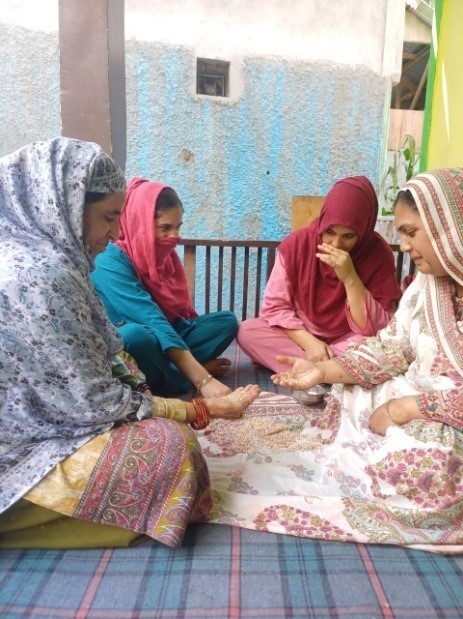
Perhaps the most striking aspect of this revival is the central role of women. Traditionally confined to the household, they are now stepping into roles as farmers, entrepreneurs, and decision-makers. In small collectives, SHG members jointly procure seeds, prepare land, share farming techniques, harvest, and sell the produce. Many have gone further, reaching buyers beyond Kashmir, fetching premium prices, and building reputations as reliable suppliers. This transition has not only boosted household incomes but also reshaped gender dynamics in communities where opportunities for women were scarce.
The journey, however, has not been without hurdles. Life in Teetwal and Tangdar is defined by difficult terrain, erratic weather, and fragile infrastructure. Irrigation is limited, and access to markets is hampered by poor connectivity. Yet, instead of bowing to these constraints, the women have responded with resilience. By adopting eco-friendly farming practices, reviving traditional agricultural wisdom, and diversifying crops, they have shown that innovation and perseverance can overcome structural disadvantages. Their determination reflects the larger ethos of border communities—facing adversity with grit while holding firmly to cultural roots.
For these women, red rice is more than just a crop. It is becoming a symbol of Atmanirbharta—self-reliance—in its truest sense. By cultivating and selling it, they are reducing dependence on external markets, strengthening community solidarity, and carving out a sustainable economic pathway. More importantly, the revival has restored pride and identity. The crimson fields are not merely a source of livelihood but a living connection to heritage, reminding younger generations of the traditions that define Kashmiri culture.
The future of this initiative looks promising. With structured interventions in branding, market linkages, and value addition, red rice from Kupwara’s border belt could soon acquire recognition as a premium organic product. Its story itself is a selling point—grain grown by women in remote, conflict-prone villages, representing sustainability, tradition, and empowerment. If positioned correctly, it can stand as both a commercial success and a model of how grassroots initiatives transform economies.
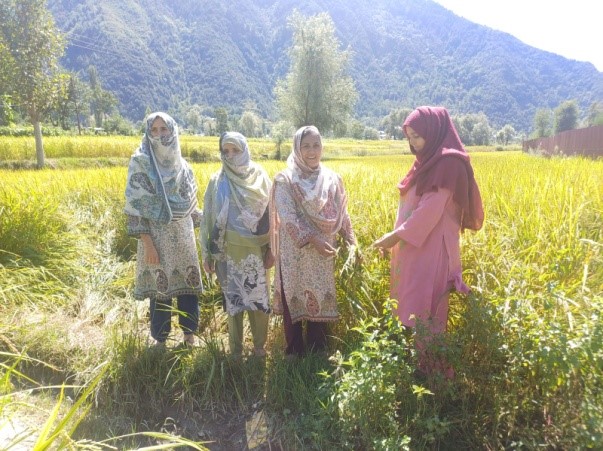
In many ways, the red rice revolution of Teetwal and Tangdar is rewriting the narrative of borderland communities often associated with hardship and neglect. It highlights what can happen when policy support aligns with grassroots energy. Through JKRLM’s handholding, women who once had little agency now see themselves as contributors to the economy, shaping markets rather than depending on them.
As the sun sets over the terraced hills, the crimson hues of ripened rice shimmer against the backdrop of rugged mountains. Each stalk tells a story—not only of agriculture but of resilience, identity, and the audacity to dream. In the hands of the women of Kupwara, red rice is no longer just food; it is courage harvested, tradition preserved, and empowerment made visible in every grain.
The views expressed in this article are solely those of the author and do not necessarily reflect the opinions or views of this newspaper. The author can be reached at [email protected]