Life is defined far more by struggle and resilience than by the passive accumulation of worldly comforts. To find genuine peace, one must look beyond biological survival and engage with timeless universal truths.
By Syed Mustafa Ahmed
Life, by its very nature, is a continuous struggle. It unfolds as a complex tapestry woven with threads of joy and sorrow, an unrelenting journey from birth to death where fleeting elation is invariably shadowed by grief. It is within this perpetual oscillation between despair and triumph that our mortal existence plays out, eventually leading every individual toward that final horizon from which no traveller returns. Across epochs, thinkers, philosophers, and chroniclers of the human condition have grappled with defining this ephemeral concept, each constructing their own distinct vocabulary to capture its essence. For some, life is an arduous voyage; for others, it is a deliberate preparation for the hereafter. There are those who reduce it strictly to the pursuit of transient pleasure, eating, drinking, and accumulating luxury while pessimists condemn it as an existential curse, a penance enacted in real time.
Yet beneath this broad spectrum of thought lies an unmistakable constant: life is fundamentally synonymous with endurance. To maintain clarity during moments of profound despair, to steer one’s vessel directly into an unrelenting storm, and to actively seek light when darkness refuses to lift this remains the true measure of living.
In our contemporary landscape, however, a considerably narrower view of human existence has taken hold. Modern society frequently reduces life to a rigid checklist: securing sustenance, sleeping, earning a wage, building real estate, marrying, establishing a child’s financial security, accumulating capital, projecting an immaculate public image, and seeking validation from peers. While several of these obligations represent foundational necessities biological and social realities we cannot reasonably bypass they do not constitute the entirety of the human experience. To claim otherwise is to endorse a profoundly incomplete existence.
Every creature across the natural kingdom participates in these same baseline cycles. Animals hunt and forage to secure their keep. Birds build nests, predators carve out dens, and countless species nurture their young, demonstrating unmistakable forms of affection, protective instinct, and communal care. If survival, shelter, and material security become a person’s sole preoccupations, what remains to meaningfully distinguish human consciousness from the rest of the animal realm?
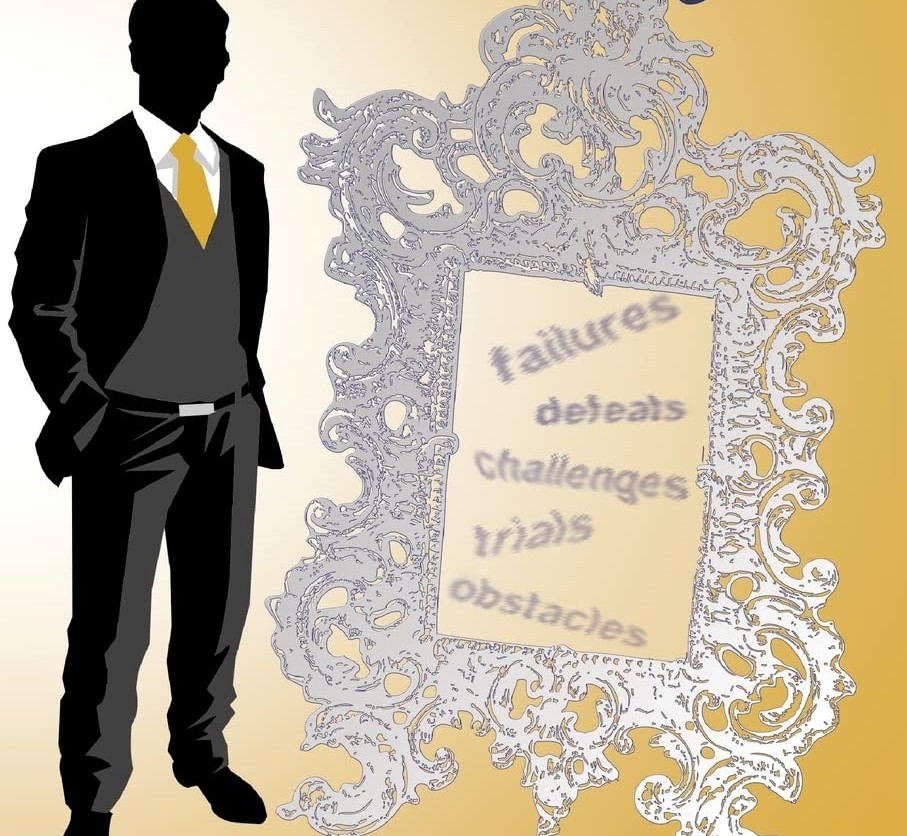
When success is measured purely through a commercial and material lens, it reveals a way of living that is hollow at its core. It defies reason to assume that human beings were endowed with profound intellect, self-awareness, and moral foresight merely to satisfy basic evolutionary functions. To lose sight of the higher purposes of existence while remaining wholly consumed by worldly transactions is a failure of perspective. In a universe of staggering scale, narrowing one’s entire awareness to a handful of fleeting comforts and anxieties stands in direct opposition to wisdom and genuine human values.
To truly live demands that an individual look beyond basic survival and engage with universal truths. We are compelled to see past physical commodities, to prioritize depth over superficiality, and to examine the rich diversity that animates the world around us. Contemplating this diversity is essential, as is confronting the reality of our inevitable end. Observing the cyclical nature of the cosmos, witnessing the shift of seasons, facing the raw truth of physical and emotional suffering, and critically evaluating our deepest ethical and spiritual convictions are enduring imperatives.
This leads to the difficult, defining questions of existence: Why is the human appetite never permanently satisfied? What drives perpetual hunger and unchecked greed? What single pursuit actually yields lasting peace of mind, and how do we even define that peace? Why is there such a visceral aversion to sorrow alongside an insatiable, collective craving for happiness? What compels an individual to abandon worldly attachments in pursuit of ascetic discipline? What constitutes the “self”, the ego and why has mastering it been a central struggle across civilizations? What occurs when that ego turns rebellious, and what is its ultimate nature?
To live deliberately is to confront our origins, our moral obligations, and the reality of a higher order in the cosmos. It requires an unsparing audit of our daily priorities. Without regular introspection, existence drifts into carelessness. To live fully, one must learn to dismantle the fragile ego long before biological demise arrives, ensuring that our higher consciousness does not succumb to spiritual atrophy while we are still breathing. The physical vessel is guaranteed to perish, but the integrity of our living remains entirely within our hands. The imperative is clear: we must engage with life deeply, consciously, and without delay, before time exhausts its course.
Disclaimer: The views expressed in this feature article are solely those of the author and do not necessarily reflect the official editorial stance or opinions of this publication.
Leave a Reply